Imagine waking up each day with a sense of purpose, surrounded by meaningful connections that bring laughter, shared stories, and genuine support. For many seniors, this vision can feel distant amid the quiet routines of home life, where days blend together and conversations grow fewer.
Yet, the truth is that our later years hold incredible potential for joy and vitality when we prioritize human connection. As we age, mental and emotional well-being becomes just as vital as physical health, shaping how we experience each moment.
Engaging in senior social activities offers a powerful pathway to nurture this well-being. These interactions do more than fill time, they combat feelings of emptiness, stimulate the mind, and remind us that we are never truly alone. Families often notice subtle changes first: a brighter mood, renewed energy, or stories shared with excitement after a simple gathering.
In this blog, we explore why these activities matter so deeply and how they can transform daily life for older adults and their loved ones. Through thoughtful insights and practical guidance, you will see how small steps toward connection can lead to profound improvements in quality of life.
How Senior Social Activities Enhance Elderly Mental Health
Social connections serve as a cornerstone for emotional resilience in our golden years. Research consistently shows that regular interaction helps lower rates of depression and anxiety among older adults.
When seniors participate in group conversations, shared hobbies, or community events, their brains release feel-good chemicals like dopamine and oxytocin, which naturally elevate mood and reduce stress, reinforcing the value of activities and hobbies that keep seniors engaged.
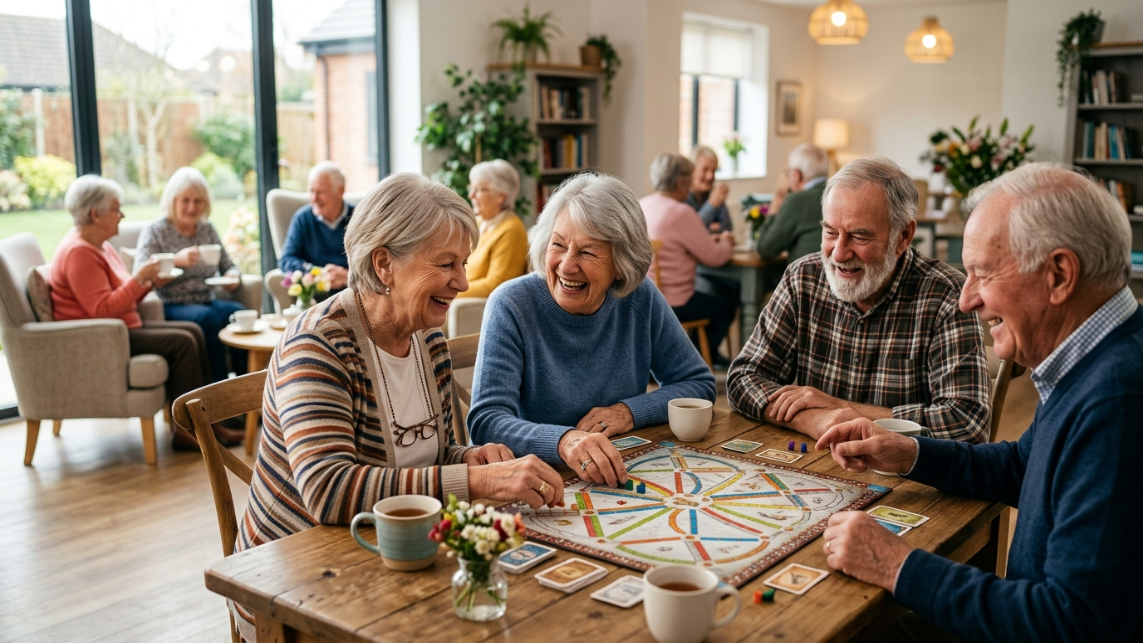
One key mechanism involves cognitive stimulation. Simple acts like playing cards, discussing current events, or joining a walking group keep memory sharp and processing speed strong. A long-term study found that frequent social contact could slow cognitive decline by as much as 70 percent compared to those with limited interactions.
This happens because conversations demand attention, recall, and emotional processing, all excellent exercises for the mind.
Emotionally, these activities provide validation and belonging. Sharing life experiences with peers who understand similar challenges creates bonds that ease the weight of personal struggles. Seniors often report feeling more optimistic and capable after consistent engagement. For families, witnessing this shift brings peace of mind, especially when addressing depression in elderly adults becomes a proactive focus rather than a reactive concern.
Moreover, elderly mental health benefits include better sleep and lower blood pressure. Reducing loneliness in elderly decreases chronic stress hormones, which supports overall physical health. Caregivers and family members play a supportive role by encouraging participation without pressure, perhaps by accompanying a parent to an initial event or helping arrange transportation.
The result is a virtuous cycle: better mood leads to more activity, which further strengthens mental health. Over time, this approach helps seniors view aging not as loss but as an opportunity for continued growth and fulfillment.
The Critical Role of Senior Engagement in Preventing Social Isolation
Preventing social isolation stands as one of the most important steps families can take to safeguard a senior’s overall health. Isolation often creeps in gradually, after retirement, following the loss of a spouse, or when mobility decreases. Without intentional effort, days can become solitary, leading to a deep sense of disconnection that affects both mind and body.
Senior engagement counters this by rebuilding networks and creating new routines. Regular contact with others provides structure and accountability, making it easier to maintain healthy habits like eating well or staying active. In many cases, structured support such as companion care for isolated seniors becomes a practical way to restore daily interaction and reduce long-term isolation risks.
Practical examples include neighborhood coffee meetups, volunteer opportunities at local libraries, or joining interest-based groups. These settings allow seniors to contribute their wisdom, whether through storytelling, teaching skills, or offering advice, which boosts self-esteem and purpose. Families can help by identifying accessible options nearby and starting small, perhaps with weekly phone calls that evolve into in-person visits.
The emotional rewards are significant. Seniors who stay engaged often describe feeling valued and heard, which directly combats the quiet despair that isolation can bring. For adult children, this involvement also strengthens family bonds, turning caregiving into a collaborative journey rather than a burden.
By focusing on senior engagement, we create environments where older adults remain active participants in life, not passive observers.
Exploring Different Types of Senior Social Activities
Variety keeps engagement sustainable and enjoyable. Some seniors thrive in quiet, intellectual settings like book clubs or discussion groups, where they exchange ideas and perspectives. Others prefer movement-based options such as gentle exercise classes, dancing, or nature walks that combine physical benefits with conversation.
Creative pursuits offer another avenue, art workshops, gardening clubs, or music gatherings allow self-expression while fostering camaraderie.
Many find joy in intergenerational programs, where sharing stories with younger people brings mutual learning and renewed energy. Volunteer roles, from helping at food banks to mentoring students, provide purpose that extends beyond personal fulfillment.
Technology has expanded possibilities too. Virtual gatherings, online classes, or video calls with distant family make participation possible even for those with limited mobility. The key lies in matching activities to individual interests and abilities. A former teacher might enjoy tutoring sessions, while a hobby gardener could join a community plot.
These diverse options ensure that senior social activities feel natural rather than obligatory. Families benefit by observing what lights up their loved one’s eyes and supporting those choices. Consistency matters more than intensity—regular, low-pressure involvement yields the best results for sustained mental and emotional health.
Cognitive And Physical Benefits of Staying Connected
Social interaction supports brain health in remarkable ways. Engaging conversations and group activities challenge memory, attention, and problem-solving skills, helping delay cognitive changes. Research indicates that socially active seniors maintain stronger executive function and process information more effectively.
Physically, these activities often encourage movement. Group walks, dance sessions, or even seated games promote better balance, coordination, and cardiovascular health. The motivation that comes from companionship makes exercise feel less like a chore and more like a pleasure.
Additionally, strong social networks correlate with healthier lifestyle choices. Seniors surrounded by supportive peers tend to manage medications better, attend medical appointments, and adopt positive habits. This holistic impact reduces risks for multiple conditions and supports longer, more independent living.
For families, recognizing these benefits can shift perspectives from worry to proactive encouragement. Celebrating small milestones, like completing a puzzle with friends or attending a weekly class, reinforces the value of connection and motivates continued participation.
Overcoming Common Barriers to Participation
Many seniors face hurdles that make social involvement challenging. Mobility limitations, transportation issues, hearing difficulties, or shyness after long periods alone can create reluctance. Addressing these thoughtfully opens doors to meaningful engagement.
Start by choosing accessible venues or virtual options. Community centers and senior programs often provide transportation or home-visit services. Adaptive tools, such as amplified hearing devices for group settings, remove sensory barriers. For those hesitant, begin with one-on-one interactions that gradually expand to small groups.
Family support proves invaluable here. Offering to join the first few sessions reduces anxiety. Framing activities around personal interests rather than obligation helps shift mindset. Patience and gentle persistence matter, progress may be gradual, but each step builds confidence.
Overcoming these barriers not only improves participation but also empowers seniors to reclaim agency in their social lives. The resulting confidence often spills into other areas, enhancing overall independence and well-being.
The Power of Community and Social Programs Seniors
Community resources play a vital role in facilitating ongoing connection. Local centers, libraries, and faith-based organizations frequently host welcoming events designed with seniors in mind. These social programs seniors create safe, inclusive spaces where friendships form naturally.
Participation in such programs fosters a sense of belonging that extends beyond individual events. Seniors gain access to shared resources, information, and mutual support networks that ease daily challenges.
Families can explore these opportunities together, turning research into shared experiences that strengthen relationships.
Strategies For Long-Term Senior Engagement and Mental Wellness Aging
Sustaining engagement requires ongoing attention and adaptability. Set realistic goals, celebrate participation, and remain flexible as needs change. Incorporating technology for virtual options ensures continuity during travel or health fluctuations.
Encourage a mix of activities to prevent burnout while maintaining variety. Regular family check-ins help identify what works best for your loved one’s evolving preferences and abilities. Building a support circle, including friends, neighbors, and professionals, creates a robust foundation for lasting connection.
Small, consistent efforts add up over time. A weekly phone call, a shared meal, or a simple walk together can make a profound difference in a senior’s mental wellness. As abilities shift, adapt activities rather than stopping them entirely. What matters most is not the size of the engagement but the reliability of it.
Feeling remembered and valued lifts mood, sharpens focus, and reduces feelings of loneliness. With patience, creativity, and a willingness to adjust, long-term senior engagement becomes not just possible, but deeply rewarding for both seniors and the families who love them.
Social Connection in Later Life: Benefits for Mind, Mood, And Health
The evidence is clear: prioritizing social connection in later life yields transformative benefits for mental, emotional, and physical health.
Through consistent senior social activities, older adults experience reduced loneliness, sharper minds, brighter moods, and a renewed sense of purpose. Families gain reassurance knowing their loved ones are supported and fulfilled rather than isolated.
Small, intentional steps today can prevent larger challenges tomorrow. Whether it is a weekly coffee chat, a community class, or a family game night, every interaction counts. These moments build resilience and create cherished memories that enrich everyone involved.
At One Stop Home Care Services, we understand these needs deeply and stand ready to support families in Connecticut with compassionate, personalized assistance that complements an active social life, helping seniors thrive independently at home.