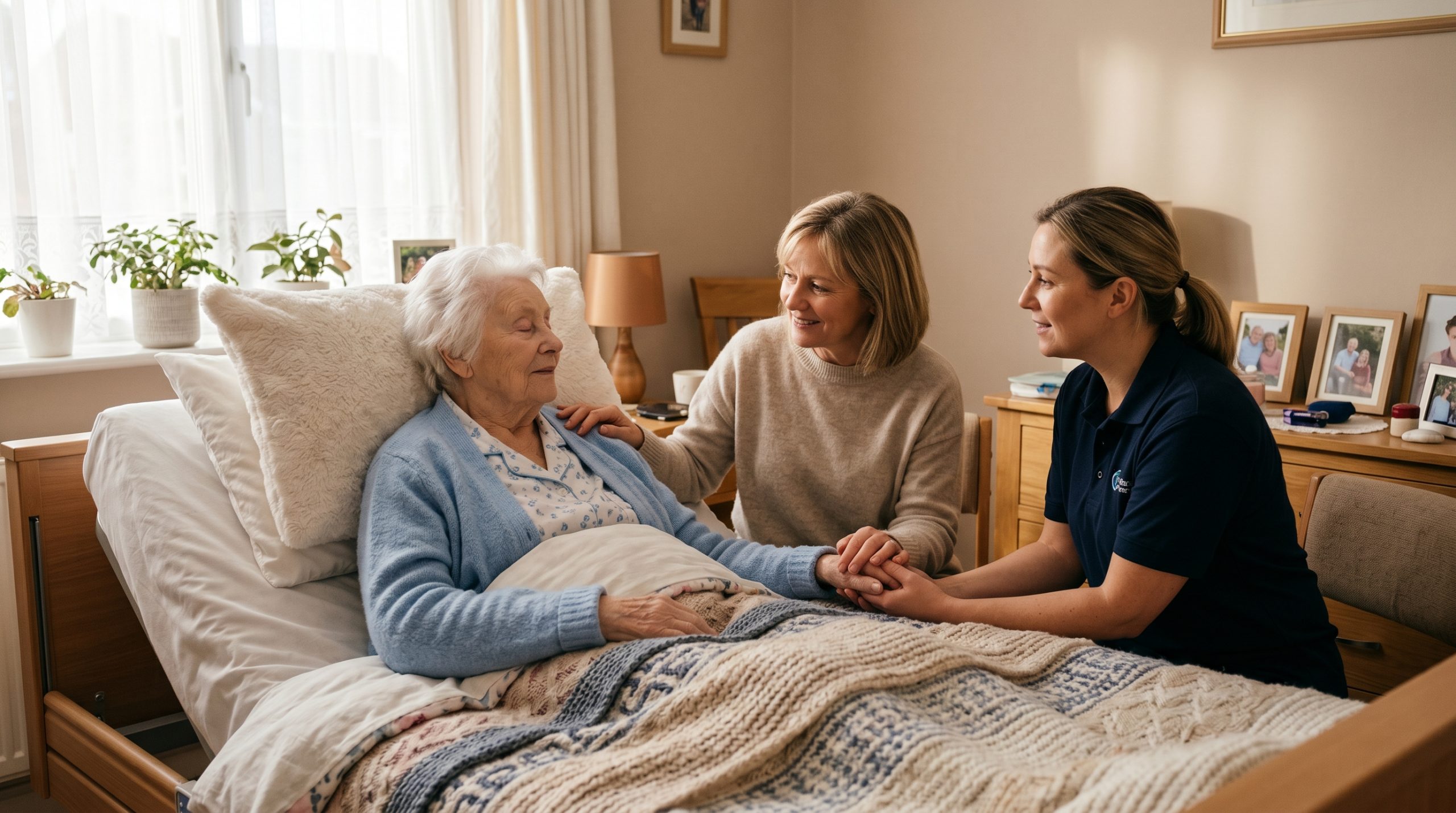
Imagine sitting in the quiet of your living room, holding the hand of someone you love as the afternoon light filters through familiar curtains. These final chapters of life carry deep emotion, moments filled with reflection, gratitude, and sometimes quiet fear of the unknown.
Families often search for ways to make this time meaningful rather than clinical or detached. Many people express a strong desire to remain in their own homes, surrounded by memories and loved ones, rather than in an institutional setting.
End-of-life care at home offers exactly that possibility. It focuses on relieving discomfort, honoring personal values, and allowing individuals to maintain their sense of self until the very end. This approach combines professional medical guidance with the warmth of a familiar environment. Families report higher satisfaction when they can stay close, share stories, and provide personal touches that no facility can replicate.
In this blog, we explore how thoughtful planning and dedicated support transform these challenging days into ones defined by closeness, respect, and lasting peace. Whether you face this situation now or want to prepare for the future, understanding your options brings clarity and hope.
Recognizing The Right Moment to Shift Focus Toward Hospice Support at Home
Deciding when to move away from aggressive treatments toward care centered on quality of life requires honest conversations and careful observation. Physical signs such as increased fatigue, difficulty managing daily needs, or frequent hospital visits often signal that comfort matters most. Emotional cues appear too, perhaps a loved one speaks more about memories than future plans, or shows anxiety about leaving home.
Medical teams help evaluate prognosis and needs during these transitions. Doctors discuss realistic expectations openly so families avoid unnecessary procedures that may add burden without benefit. This stage invites reflection on what brings peace: favorite meals, music, or simple routines like sitting in a cherished chair.
Professionals guide families through paperwork, insurance questions, and available resources without pressure. Early recognition prevents crises and allows time to arrange support systems.
Many families later share that acting thoughtfully at the right moment reduced regret and strengthened bonds. They recall how staying home preserved energy for meaningful interactions instead of exhausting travel to appointments. This awareness empowers you to create space for love and presence when time feels precious.
Exploring The Benefits of Palliative Care Home Services for Serious Illness
Palliative care home services address symptoms and emotional strain for people living with advanced illnesses, whether or not a terminal diagnosis exists. Unlike hospital-focused treatment, this care comes directly to the residence. Skilled nurses visit regularly to manage pain, shortness of breath, nausea, or other distressing symptoms with gentle, effective methods.
Teams include doctors, nurses, social workers, and sometimes chaplains who coordinate efforts so no one feels overwhelmed. They adjust medications promptly and teach family members simple techniques for providing comfort care, such as proper positioning or massage. This reduces emergency visits and helps everyone rest easier knowing help remains available around the clock.
Families appreciate the flexibility. Care plans adapt as needs change, always keeping the person’s preferences central. One spouse might learn to assist with bathing while another prepares light meals that honor dietary needs and cultural traditions.
Children or grandchildren participate in age-appropriate ways, turning ordinary days into opportunities for connection. Research consistently shows that people receiving this support experience better symptom control and report higher quality of life.
How Hospice Support Creates Space for Meaningful Final Months
Hospice support steps in when curative options no longer serve the goal and life expectancy falls within months. This specialized form of care shifts entirely toward comfort, dignity, and dignified passing. Interdisciplinary teams: nurses, aides, counselors, and volunteers, work together to meet physical, emotional, and spiritual needs.
Unlike many assume, hospice does not hasten death. Instead, it helps people live as fully as possible until the end. Medications focus on easing pain and anxiety so individuals can enjoy visits, listen to music, or simply rest without distress. Home health aides offer personal care that preserves modesty and independence for as long as possible.
Bereavement support extends to families even after the passing, with counseling available for up to a year. This continuity helps loved ones process grief in healthy ways. Many families describe hospice as a lifeline that allowed them to focus on relationships instead of logistics. They recall peaceful evenings, shared laughter, and the profound sense of being supported through every step.
In Connecticut and across the country, more people now choose this path because it aligns with deeply held wishes to remain at home. Statistics reveal growing numbers opting for home settings, reflecting changing attitudes toward death as a natural part of life rather than a medical event to fight at all costs.
Building A Soothing Physical Environment That Supports Daily Peace
Creating the right atmosphere at home involves small, thoughtful adjustments that make a large difference. Soft lighting, familiar photographs, and comfortable temperatures help reduce agitation. Familiar scents, perhaps a favorite lotion or fresh flowers, can evoke positive memories and calm the senses.
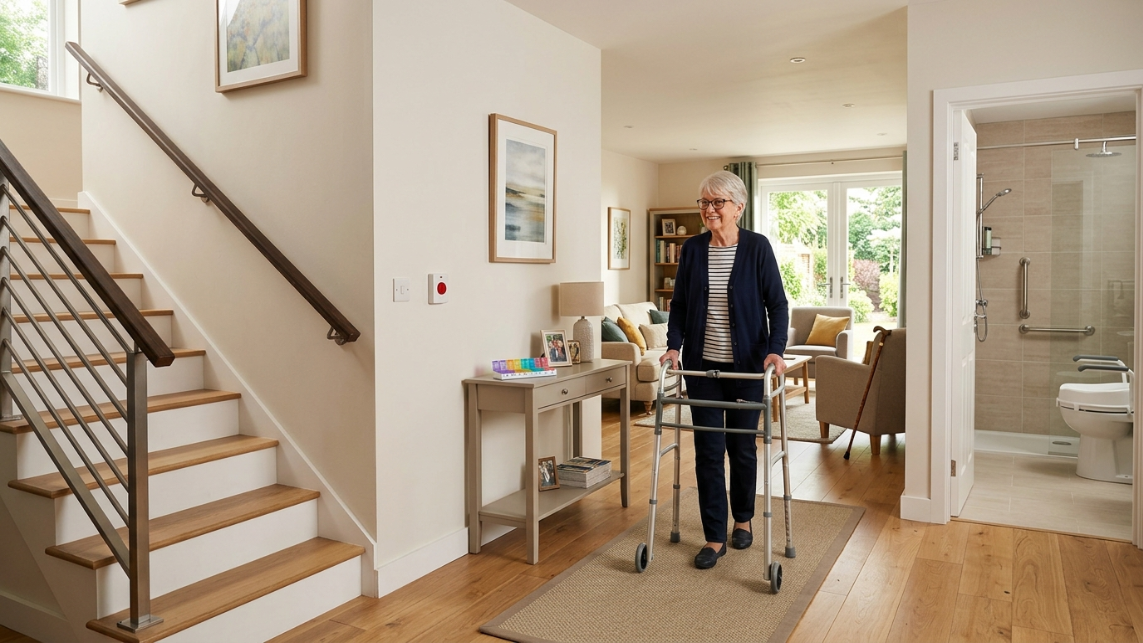
Practical items such as raised toilet seats, grab bars, or pressure-relieving mattresses arrive discreetly and get installed professionally. These tools prevent accidents while maintaining independence. Music playlists or audio books provide gentle stimulation or distraction during restless periods.
Families often rearrange furniture for easier movement and better visibility. A comfortable chair near a window allows someone to enjoy birds or changing seasons. Bedside tables hold meaningful objects: a cherished book, rosary beads, or family photos. These details remind everyone that this remains a home, not a medical ward.
Care teams offer guidance on safety without making spaces feel clinical. They suggest ways to organize medications and supplies neatly. Regular visits ensure the environment continues supporting comfort as strength changes. This attention to surroundings contributes significantly to emotional well-being and helps reduce confusion common in unfamiliar places.
The Vital Role of Emotional Connection and Family Involvement
Emotional support forms the heart of effective family support end-of-life experiences. Listening without judgment, sharing stories, and simply sitting in silence all convey love powerfully. Family members often worry about saying the wrong thing, yet presence itself brings reassurance.
Trained counselors help facilitate difficult conversations about wishes, fears, or unresolved matters. They provide tools for expressing feelings constructively. Spiritual care respects individual beliefs, whether through prayer, meditation, or quiet reflectionn and coordinates with community leaders when requested.
Children benefit from age-appropriate explanations that reduce fear and allow participation. Simple activities like reading aloud or drawing pictures create lasting memories. Adult children find balance between caregiving duties and their own lives through respite options that give them breaks to recharge.
This stage often becomes more complex when families also consider dementia care at home during late stages, especially as cognitive decline affects communication, memory, and daily functioning.
This shared journey strengthens relationships. Many families later describe how the period, though painful, brought them closer through honesty and mutual support. They treasure moments of laughter amid tears and the deep conversations that might never have happened otherwise. Professional guidance ensures these interactions remain sustainable and positive.
Managing Practical Daily Needs with Compassion and Expertise
Daily care requires attention to personal hygiene, nutrition, medication timing, and mobility. Trained aides assist with bathing, dressing, and grooming in ways that protect dignity and privacy. They use gentle techniques that minimize discomfort and respect personal preferences.
Nutrition focuses on pleasure and small amounts rather than strict requirements. Favorite foods prepared simply or nutritional supplements offered creatively help maintain strength and interest in eating. Hydration receives careful monitoring with creative solutions like flavored ice chips when swallowing becomes difficult.
Symptom management involves regular assessments. Teams respond quickly to changes in breathing, pain levels, or mood with appropriate adjustments. They teach families basic techniques for positioning, massage, or distraction that provide immediate relief between visits.
Documentation stays organized so everyone understands the current plan. This reduces confusion during shifts or emergencies. Equipment maintenance and supply restocking happen smoothly behind the scenes. Families gain confidence as they learn alongside professionals, turning uncertainty into competence and calm.
Planning Ahead and Addressing Common Concerns Thoughtfully
Advance planning removes many sources of stress. Documents such as living wills or healthcare proxies ensure wishes guide decisions even if communication becomes limited. Regular team meetings keep everyone informed and aligned.
Common worries about cost, insurance coverage, or availability receive clear answers early. In many cases, Medicare and private insurance cover substantial portions once eligibility is met. Local resources supplement these services effectively.
For families navigating advanced illness, 24-hour home care for end-of-life needs can provide continuous support, ensuring safety and comfort at all times without gaps in supervision.
Cultural and personal values shape every plan. Teams adapt respectfully to traditions around food, rituals, or visitors. This sensitivity honors identity and brings additional comfort.
Anticipatory guidance prepares families for natural changes in the final weeks or days. Knowledge about breathing patterns, skin changes, or decreased intake reduces panic and allows focus on presence. This preparation transforms fear into readiness and grace.
Choosing Home at The End: A Path Rooted in Love, Respect, And Human Connection
End-of-life care at home represents one of the most meaningful gifts families can offer, focusing on comfort and dignity for those entering their final stage of life. It transforms what could feel clinical and distant into an experience rooted in love, familiarity, and respect.
By focusing on comfort, open communication, and professional guidance, families create space for tenderness and closure that lasts beyond the final moments.
The journey asks much; patience, courage, and willingness to embrace both joy and sorrow. Yet the rewards include deeper connections, fewer regrets, and the knowledge that every effort honored the person’s life and wishes.
Professional teams stand ready to walk alongside you, providing expertise while preserving the personal touch only home can offer.
One Stop Home Care Services remains committed to supporting Connecticut families through these sacred times with warmth and dedication. Planning ahead or reaching out during need opens doors to resources that ease burdens and highlight what matters most: human connection and lasting dignity.
For families seeking a deeper understanding of end-of-life care at home: comfort and dignity, our care team is available to guide you through available options and support pathways.
Talk to our care team to understand how we can support your family during this time.