As we age, the familiar spaces of our homes can sometimes present unexpected challenges. Simple tasks like moving from room to room or stepping into the shower may gradually become more difficult, stirring feelings of frustration or concern for both seniors and their loved ones.
Yet these moments also open the door to thoughtful solutions that restore confidence and freedom. Families often worry about falls, isolation, or loss of dignity, but the right support can make all the difference in preserving a cherished lifestyle at home.
Assistive devices for seniors play a vital role in bridging these gaps, allowing older adults to navigate daily life with greater ease and security. They are not about replacing personal ability but about empowering individuals to remain active participants in their own homes. Whether it is enhancing mobility, preventing accidents, or simplifying routine activities, these tools offer practical reassurance.
Many families notice an immediate lift in spirits when small changes remove barriers and create a safer environment. This guide explores seven essential categories of devices, offering insights grounded in real-world experience to help you make informed choices that truly matter.
The Importance of Mobility Aids for Elderly Individuals in Maintaining Everyday Independence
Mobility forms the foundation of an independent life, yet many seniors gradually limit their movements due to balance issues, joint pain, or fear of falling.
Investing in proper mobility aids elderly use can dramatically change this picture, especially when part of aging in place with the right home adaptations becomes the long-term goal for maintaining independence at home.
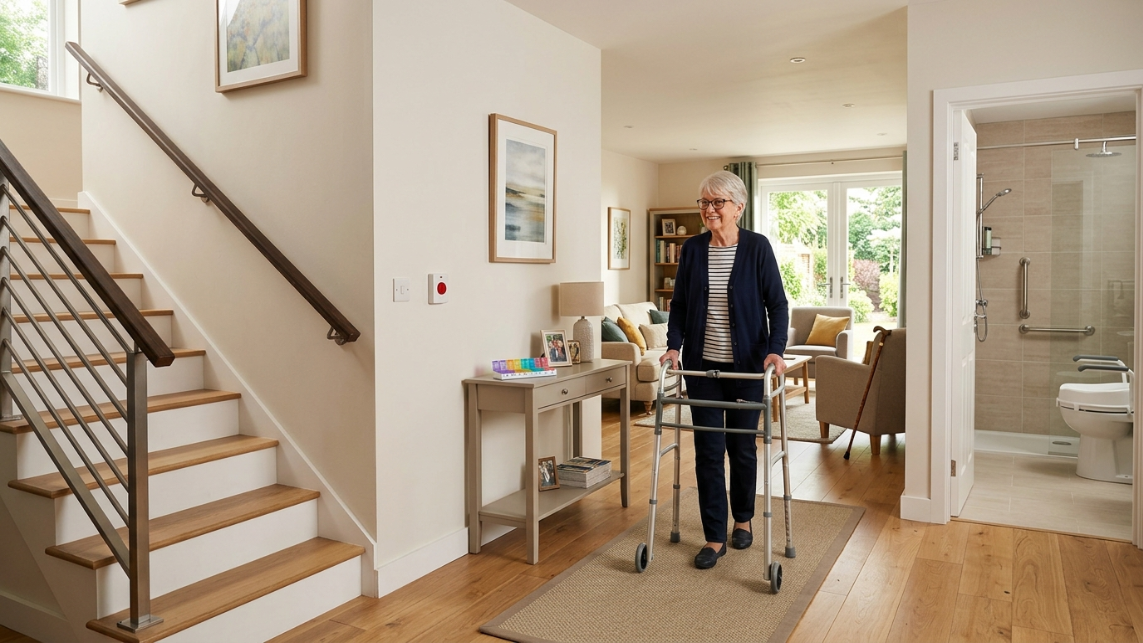
Consider how a sturdy cane or rollator can provide stability on uneven surfaces inside or outside the home. Beyond physical support, these aids encourage regular activity, which supports heart health, muscle strength, and mental well-being.
Studies consistently show that seniors who maintain mobility experience fewer depressive symptoms and enjoy stronger social connections. Families often share stories of parents or grandparents regaining their spark after adopting suitable aids tailored to their specific needs and home layout.
When selecting mobility aids elderly individuals benefit from, professionals recommend assessing the user’s height, weight capacity, and the types of surfaces they encounter most. Features like adjustable handles, padded seats on rollators, or lightweight frames make a significant difference in daily comfort. Proper training on correct usage further prevents strain and maximizes benefits.
In many homes, these devices become trusted companions that quietly extend years of active living. They represent a proactive step toward safety without compromising the warmth and familiarity of one’s surroundings. By addressing mobility early, families reduce long-term risks and create space for more joyful moments together. This investment pays dividends in both physical health and emotional peace of mind.
Enhancing Home Safety with Essential Senior Safety Equipment
Safety concerns rank high among families caring for aging relatives. Installing the right senior safety equipment transforms potential hazards into manageable spaces. From improved lighting to emergency response tools, these additions create layers of protection that allow seniors to feel secure without feeling restricted, especially when incorporating assistive devices designed to reduce fall risk.
One critical area involves fall prevention, the leading cause of injury among older adults. Strategic placement of night lights, motion-sensor fixtures, and non-slip flooring strips can eliminate common risks in hallways and bedrooms, forming part of fall prevention strategies using assistive devices that significantly reduce everyday hazards.
Medical alert systems deserve special mention here as a cornerstone of senior safety equipment. These wearable or home-based units connect users instantly to trained responders, offering reassurance during alone time or nighttime hours.
Modern versions include fall detection and GPS tracking, proving especially valuable for those with cognitive changes or chronic conditions. Users appreciate the discreet designs that blend into daily life rather than drawing attention.
Thoughtful integration matters. Equipment should complement the home’s existing décor and flow rather than disrupt it. Professional assessments often reveal overlooked areas such as loose rugs or poor visibility in bathrooms. Addressing these through targeted senior safety equipment demonstrates care and foresight, contributing to a broader creating a safe home environment for seniors approach that supports independence and long-term comfort.
Adaptive Tools That Simplify Daily Living Tasks for Seniors
Routine activities like dressing, eating, or managing personal care can become frustrating when dexterity or strength declines. Adaptive tools address these challenges with elegant, user-friendly designs that restore autonomy and reduce caregiver burden.
Reachers and grabbers allow seniors to retrieve items from high shelves or the floor without bending or stretching dangerously. Specialized utensils with thick, easy-grip handles help those with arthritis enjoy meals independently. Button hooks, sock aids, and dressing sticks transform morning routines from struggles into manageable tasks. These small victories accumulate, boosting self-esteem and motivation.
Kitchen adaptations prove particularly meaningful. Jar openers, non-slip cutting boards, and lightweight cookware enable continued participation in meal preparation, a activity many seniors cherish for its connection to family traditions. In bedrooms, long-handled shoe horns and zipper pulls maintain personal style without assistance.
The beauty of adaptive tools lies in their subtlety. They support natural movement patterns rather than replacing them entirely. When chosen thoughtfully, these devices blend seamlessly into the home environment. Occupational therapists often recommend starting with the tasks causing the most frustration and building from there.
Families witness remarkable transformations when adaptive tools enter the picture. A grandmother who once avoided cooking might resume preparing favorite recipes. A grandfather regains the ability to read his newspaper comfortably with book holders and magnifiers.
These moments reinforce dignity and purpose. By embracing adaptive tools, households create environments where aging becomes a continuation of meaningful living rather than a series of limitations.
Bathroom Modifications: Creating Secure and Comfortable Spaces
Bathrooms present some of the highest risk areas in senior homes due to wet surfaces and confined spaces. Thoughtful modifications here deliver outsized benefits for both safety and dignity.
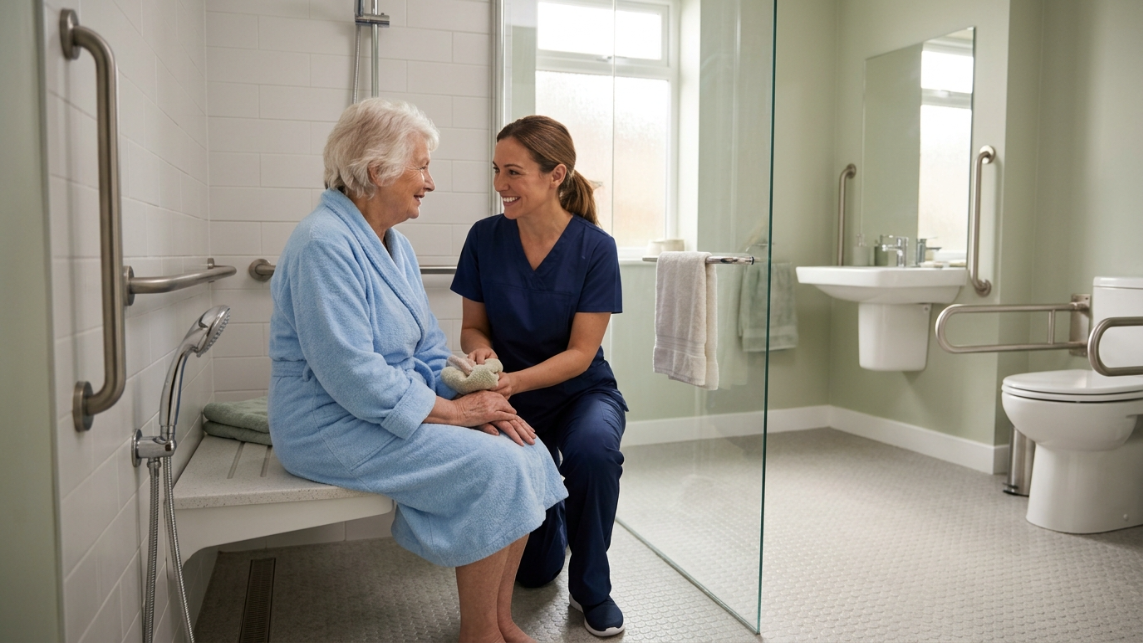
Shower chairs provide stable seating during bathing, reducing the physical demands and fall risks associated with standing on slippery floors. Models with adjustable heights and non-slip feet accommodate various needs while offering armrests for easy transfers. Many users describe the simple act of sitting as liberating, allowing them to enjoy showers again without fear.
Grab bars installed at strategic points near toilets, showers, and tubs offer reliable support for balance and transfers. Professional installation ensures they can bear necessary weight and sit at ergonomically correct heights. Their presence often eliminates the need for constant physical assistance, preserving privacy, a precious commodity for many seniors.
Raised toilet seats with arms further ease transitions, while handheld showerheads with long hoses give users control over water direction. Anti-scald devices prevent burns from sudden temperature changes. Good lighting and contrasting colors on edges help those with vision changes navigate confidently.
These changes work together to create a bathroom sanctuary rather than a danger zone. Families often note improved hygiene routines and reduced morning stress after implementation. The emotional relief of knowing a loved one can manage personal care safely adds profound peace of mind.
Living Room and Bedroom Solutions for All-Day Comfort
Living areas should invite relaxation and connection rather than present obstacles. Supportive seating with lift mechanisms helps seniors stand more easily, reducing joint strain. Positioning furniture to create clear pathways prevents trips while maintaining social flow.
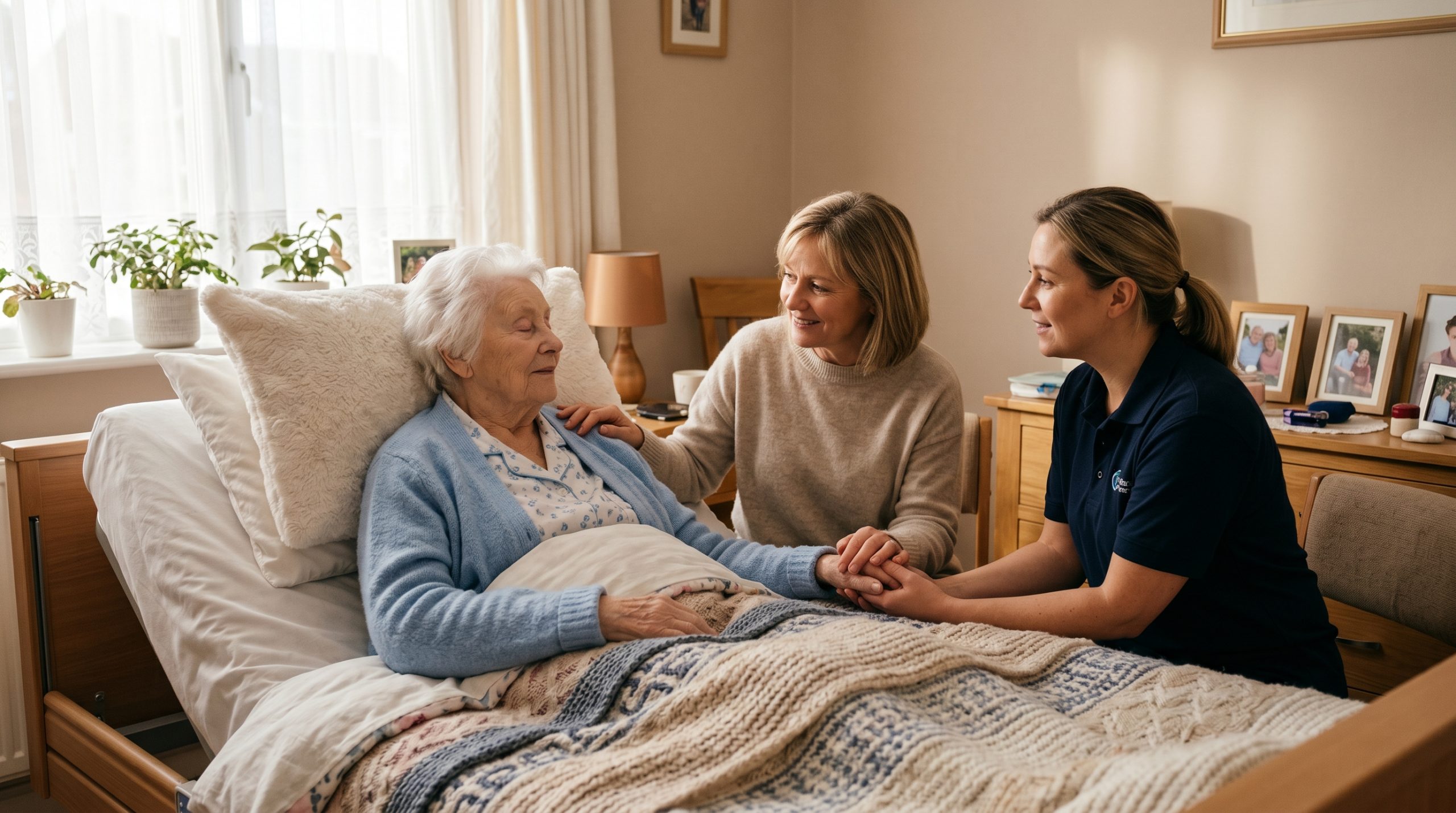
In bedrooms, adjustable beds with proper mattresses promote better sleep posture and ease of getting in and out. Bed rails or transfer poles provide gentle assistance without institutional appearances. Bedside organizers keep essentials within reach, minimizing nighttime wandering.
Lighting plays a crucial role here too. Dimmable options and easy-to-operate switches accommodate changing vision needs. Remote controls and voice-activated devices further simplify operation for those with limited hand strength. These thoughtful touches allow seniors to enjoy favorite activities, reading, watching shows, or visiting with family, in comfort.
Creating these supportive environments requires balancing functionality with personal taste. Familiar photos, cherished furniture, and favorite colors maintain emotional connections to home. When living room and bedroom solutions address both practical needs and emotional comfort, seniors thrive rather than merely cope.
Kitchen And Dining Adaptations for Continued Culinary Independence
The kitchen often serves as the heart of the home, holding memories of shared meals and traditions. Adaptations here help seniors maintain this central role with confidence.
Anti-slip mats, pull-out shelving, and lower-height counters improve accessibility. Lightweight dishes and ergonomic tools reduce physical strain. Induction cooktops with automatic shut-off features add safety layers. Many seniors rediscover joy in preparing simple dishes once barriers are removed.
Dining areas benefit from stable chairs with armrests and easy-clean surfaces. Adaptive tableware makes eating more enjoyable and less messy. These small adjustments support nutrition and social interaction, two pillars of healthy aging.
Outdoor And Transition Area Supports for Expanded Living
Patios, gardens, and entryways deserve attention too. Ramps with gentle slopes, handrails, and motion-sensor lights extend safe access beyond interior walls. Weather-resistant seating and raised garden beds allow continued enjoyment of fresh air and nature.
Non-slip surfaces on pathways and adequate lighting near doorways prevent accidents during evening transitions. Simple adjustments like door thresholds with beveled edges make movement smoother for walkers or wheelchairs.
These outdoor supports combat isolation by facilitating visits with neighbors or family. They remind us that independence includes connection with the wider world. A safe outdoor space transforms a house into a true home.
Helping Seniors Flourish at Home: The Gift of Assistive Devices and Compassionate Guidance
Choosing the right assistive devices for seniors represents an act of love and foresight. These tools do far more than address physical limitations, they nurture dignity, encourage activity, and strengthen family bonds, particularly as they become essential for long-term independence.
By thoughtfully incorporating mobility solutions, safety features, and adaptive options, homes become nurturing environments where seniors flourish rather than merely manage.
One Stop Home Care Services stands ready to help Connecticut families explore these possibilities with compassion and expertise. Our team understands the deeply personal nature of these decisions and offers guidance tailored to individual circumstances.
The journey toward safer, more comfortable living begins with small, meaningful steps. When we prioritize independence through practical support, we honor the wisdom and spirit of those who have given so much. Ultimately, the goal remains simple yet profound: enabling every senior to continue living fully, safely, and with joy in the place they call home.