There’s something deeply comforting about the idea of staying in the place you call home as you grow older. The memories, the familiar corners, the sense of control—these things matter. That’s the heart of aging in place: remaining in your home safely, comfortably, and independently for as long as possible.
But here’s the thing—aging in place modifications don’t have to be expensive or complicated. Even small, budget-friendly changes can make a big difference in safety and comfort. From installing grab bars to improving lighting and reorganizing furniture for better movement, every thoughtful upgrade counts.
The goal isn’t to make your home look like a hospital—it’s to create an environment where safety blends naturally with independence and dignity. Let’s break down how you can make your home truly senior-friendly, even if you’re working with a limited budget.
Understanding The Importance of Affordable Aging in Place Modifications
When we talk about aging in place modifications, we’re really talking about creating a space that supports independence. Many seniors want to stay at home rather than move to assisted living—and that’s completely possible with the right adjustments. These changes not only enhance comfort but also reduce the risk of falls and injuries.
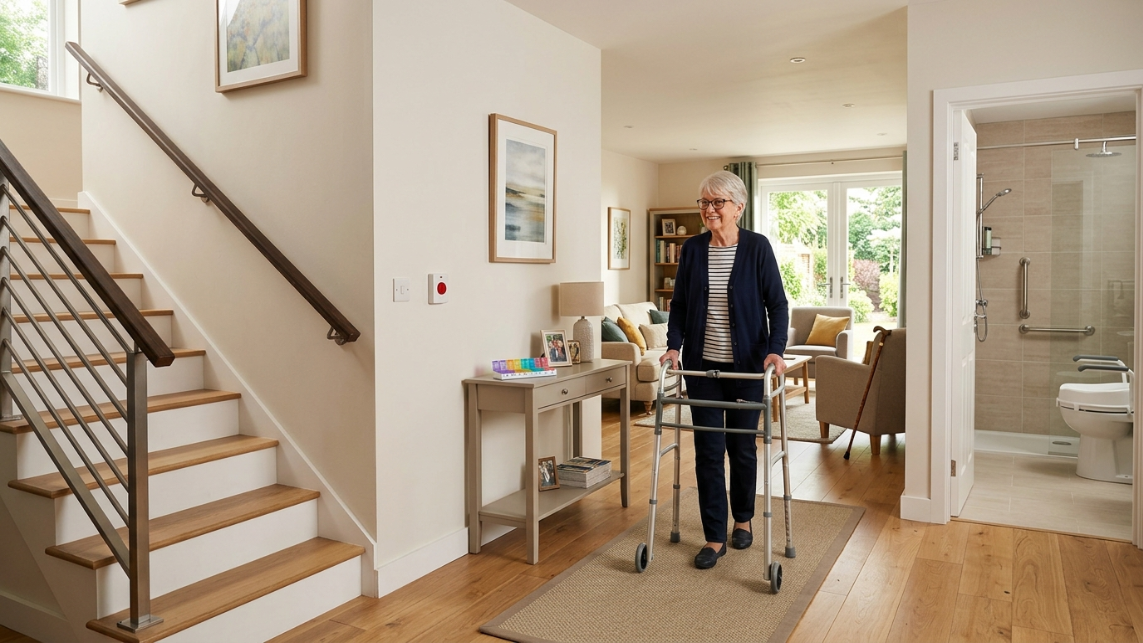
Think of it as future-proofing your home. Start by assessing high-risk areas like the bathroom, kitchen, and stairs. These spaces often require essential modifications to prevent injuries such as non-slip mats, grab bars, or motion-sensor lighting. Simple changes like these can transform your home into a safer environment without breaking the bank.
The key is to approach this process strategically. Identify what matters most to your comfort and mobility today while making home a viable long-term option for the years ahead. Aging safely at home is all about smart choices and steady improvements.
Creating A Senior-Friendly Home with Practical and Affordable Adjustments
You don’t need a complete renovation to achieve a senior-friendly home. Start small with affordable, high-impact updates. Begin by improving lighting—bright, warm light helps reduce eye strain and prevents missteps. Consider adding nightlights in hallways and bathrooms.
Flooring is another big deal. Remove throw rugs that can slip or bunch up, and if possible, opt for low-pile carpeting or non-slip vinyl flooring. Rearrange furniture to create open walkways, making it easier to move around with a walker or cane.
Also, think about everyday convenience. Install lever-style door handles instead of knobs, and add pull-out shelves in cabinets for easier access. These are examples of affordable home modifications that boost safety without major expense.
The ultimate goal is comfort. A home that adjusts to your needs—not the other way around—is a home designed for longevity and independence.
Smart And Safe Home Modifications for Seniors That Add Lasting Value
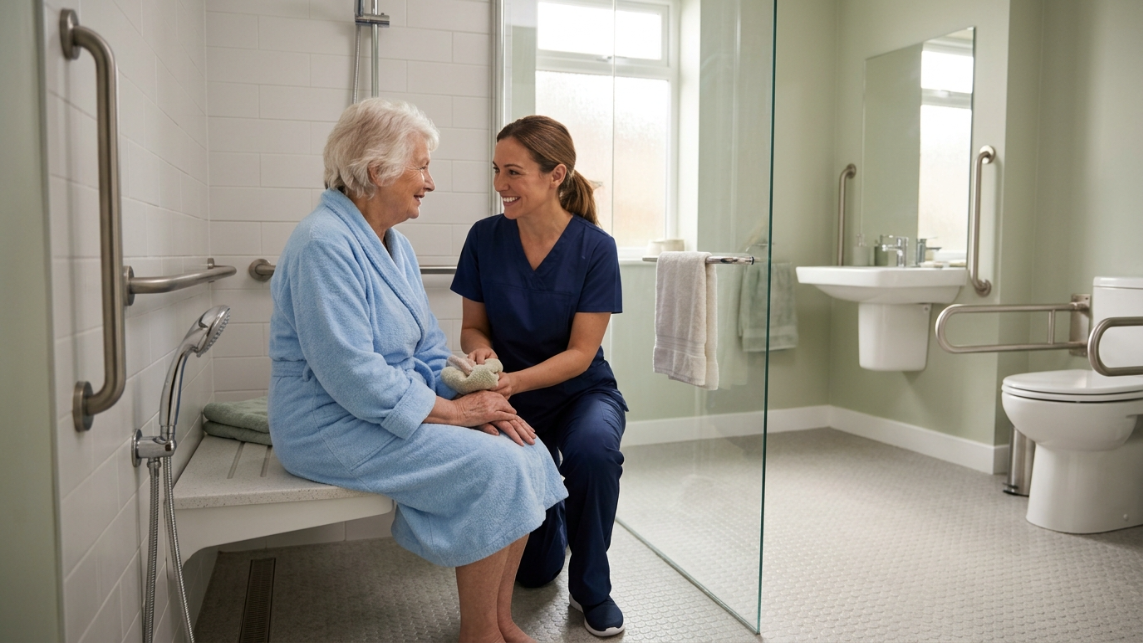
Home modifications for seniors should focus on both safety and function. Let’s start with the bathroom—it’s one of the most hazardous areas for falls. Installing grab bars near the toilet and shower, using a shower chair, or investing in a handheld showerhead can make bathing safer and easier.
Next, consider the kitchen. Lower countertops or create seated work areas for those who can’t stand for long periods. Organize frequently used items within easy reach to avoid unnecessary bending or stretching.
Lighting upgrades are another powerful investment in aging in place safety. Motion-sensor lights in hallways or smart lighting systems that respond to voice commands can help you move around confidently at night.
If you want to explore more advanced options, look into premium modification services that specialize in accessibility remodeling. They can guide you in making durable, value-adding updates tailored to your needs and your budget.
Designing An Accessible Home That Encourages Long-Term Independence
The beauty of an accessible home design is that it grows with you. Universal design principles—like zero-threshold entries, wider doorways, and adjustable-height fixtures—ensure your home remains adaptable to mobility changes.
Accessibility also means ease of use. Install rocker light switches, automatic door openers, or even smart home devices like voice-controlled assistants. These upgrades enhance independence by giving you more control over your surroundings.
But beyond physical changes, true independence also comes from emotional comfort and peace of mind. Knowing your home is safe lets you focus on what matters—spending time with loved ones, staying active, and maintaining your daily routines confidently.
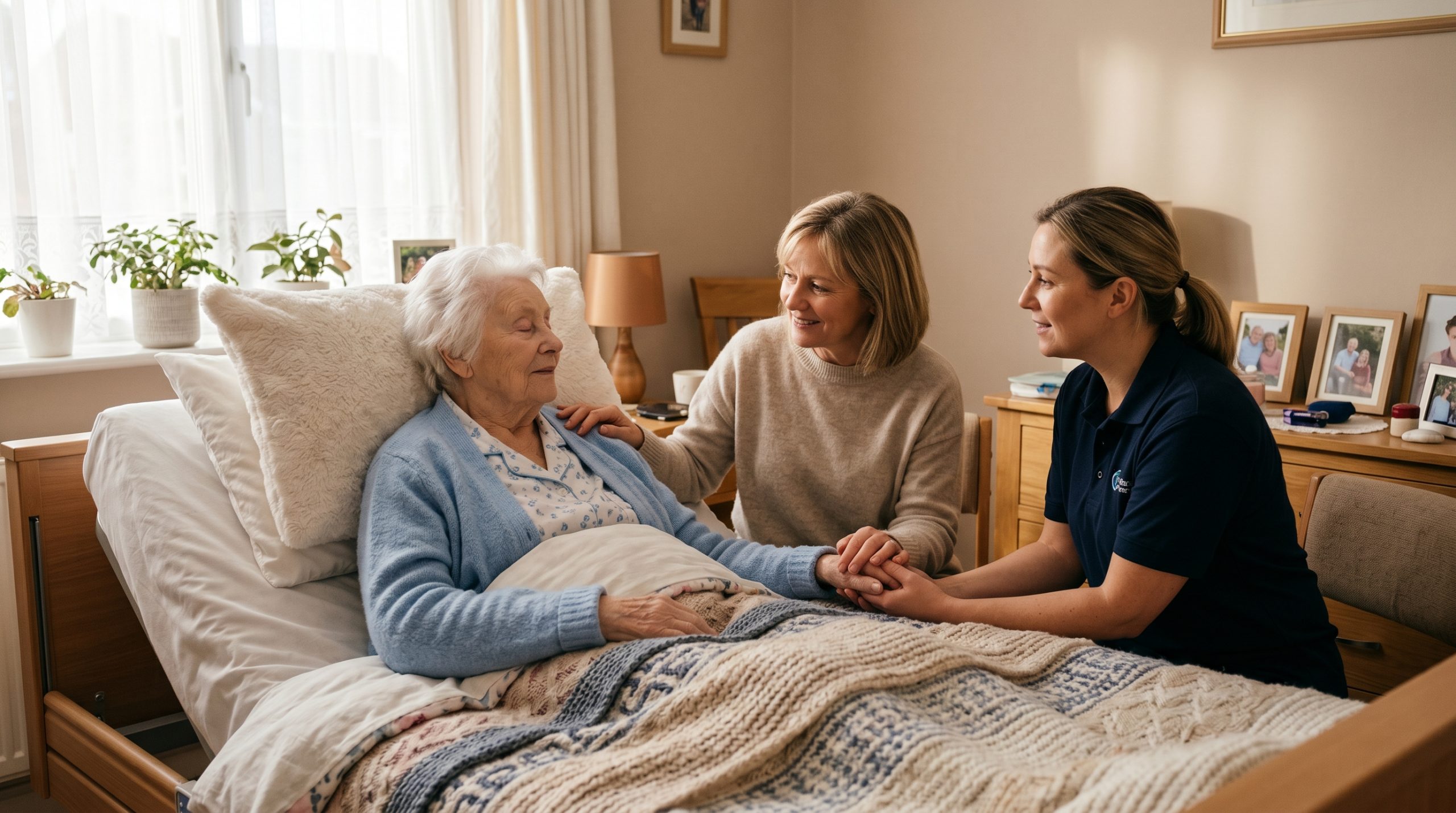
And if certain daily tasks become challenging, consider professional support for aging in place. Having a reliable caregiver can help you maintain balance—combining independence with the reassurance of safety and assistance when needed.
Building A Home Adaptation Plan That Fits Your Budget and Lifestyle
The process of modifying your home doesn’t have to be overwhelming or expensive. Start with a home accessibility checklist and prioritize changes that make the biggest impact first. This might include grab bars, better lighting, or easy-to-reach storage.
There are also community programs, local non-profits, and government grants that help fund senior home adaptations. Research these options before making larger purchases. The key is to view these updates not as expenses but as investments in your long-term comfort and safety.
As your needs evolve, your home can evolve too. The goal is to create an environment that continues to serve you through all stages of aging—offering safety, warmth, and familiarity. With careful planning, aging in place modifications can be accessible for every budget and every lifestyle.
Embracing Independence with Thoughtful Aging In Place Modifications
Aging in place isn’t just about staying home—it’s about staying yourself. It’s about maintaining comfort, dignity, and independence in the space that holds your memories. With thoughtful aging in place modifications, your home can become a true partner in your safety and well-being.
From installing simple safety features to working with trusted caregivers, every step helps strengthen your ability to live on your terms. These updates not only make daily life easier but ensure your home remains a place of confidence and peace.
Want to help your loved one stay home safely? One Stop Home Care Services provides personalized support that makes aging in place possible. Get your free care assessment today. Your home deserves to grow with you—and with the right approach, it absolutely can.