Caring for someone with Parkinson’s disease takes patience, empathy, and understanding. The journey can be unpredictable—good days filled with steady movement and connection, and tougher ones where simple tasks feel exhausting.
For many families, the goal is clear: to help their loved one remain comfortable, safe, and independent at home. That’s where quality Parkinson’s care at home makes all the difference. Parkinson’s affects more than just movement. It touches speech, mood, sleep, and confidence.
The right home care plan can help seniors navigate these changes while preserving their dignity and routine. From medication management to mobility support, small adjustments at home can have a major impact on quality of life.
Let’s take a closer look at what effective Parkinson’s disease elderly care involves, how caregivers can support both mobility and mental well-being, and what families can do to create a safe, empowering home environment for their loved ones.
Understanding Parkinson’s Disease and Why Personalized Parkinson’s Care at Home Matters
Parkinson’s disease is a progressive neurological disorder that affects movement, balance, and coordination. It develops slowly, often starting with mild tremors or stiffness before advancing into more noticeable motor and cognitive challenges. Each individual experiences symptoms differently, which is why Parkinson’s care at home needs to be deeply personalized.
For seniors, remaining in a familiar environment offers comfort and security. They can move at their own pace, surrounded by routines that bring stability. However, without the right care and support, tasks like dressing, eating, or walking can become frustrating or even dangerous.
Families often face challenges managing these daily needs, particularly when there’s a high fall risk with Parkinson’s. Trained caregivers play a vital role in helping seniors move safely, providing gentle assistance while encouraging independence.
More than just physical help, they offer reassurance, patience, and consistency, three elements that mean everything to someone living with Parkinson’s.
Caring For Parkinson’s Patient at Home: Why Routine and Medication Timing Are Everything
One of the biggest aspects of caring for Parkinson’s patient at home is maintaining strict medication schedules. The timing of Parkinson’s medication is crucial because it directly affects muscle control and symptom management. Missing a dose or taking it too late can lead to stiffness, tremors, or freezing episodes.
That’s why caregivers trained in critical timing for Parkinson’s meds ensure that medication routines are followed precisely, preventing unnecessary discomfort and complications. Beyond medications, structure plays a major role in daily stability.
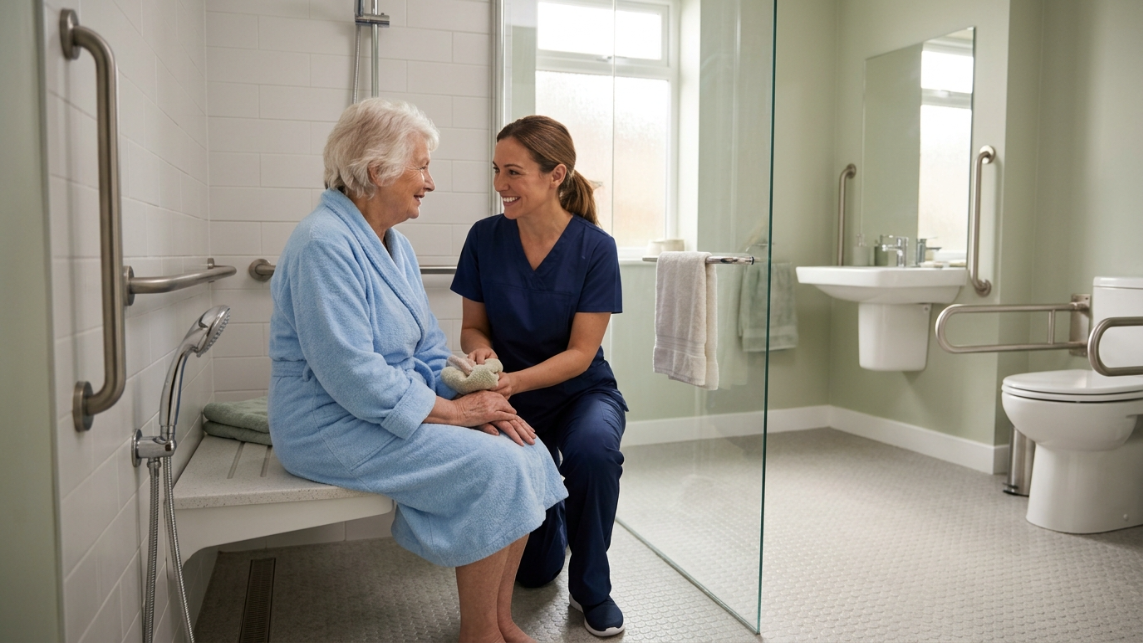
Simple routines like eating meals, exercising, and resting at consistent times help regulate energy and mood. Caregivers also assist with hygiene, dressing, and safe transfers, all while encouraging seniors to remain as active as possible within their limits.
This level of consistency reduces stress not only for the senior but also for their family. They can trust that their loved one’s care plan is being handled with precision and empathy every single day.
Encouraging Mobility and Independence Through Senior Parkinson’s Support at Home
Movement is medicine for people with Parkinson’s, but maintaining mobility can be challenging. Tremors, stiffness, and balance issues increase the high fall risk with Parkinson’s, making seniors more hesitant to move on their own. This is where personalized senior Parkinson’s support truly shines.
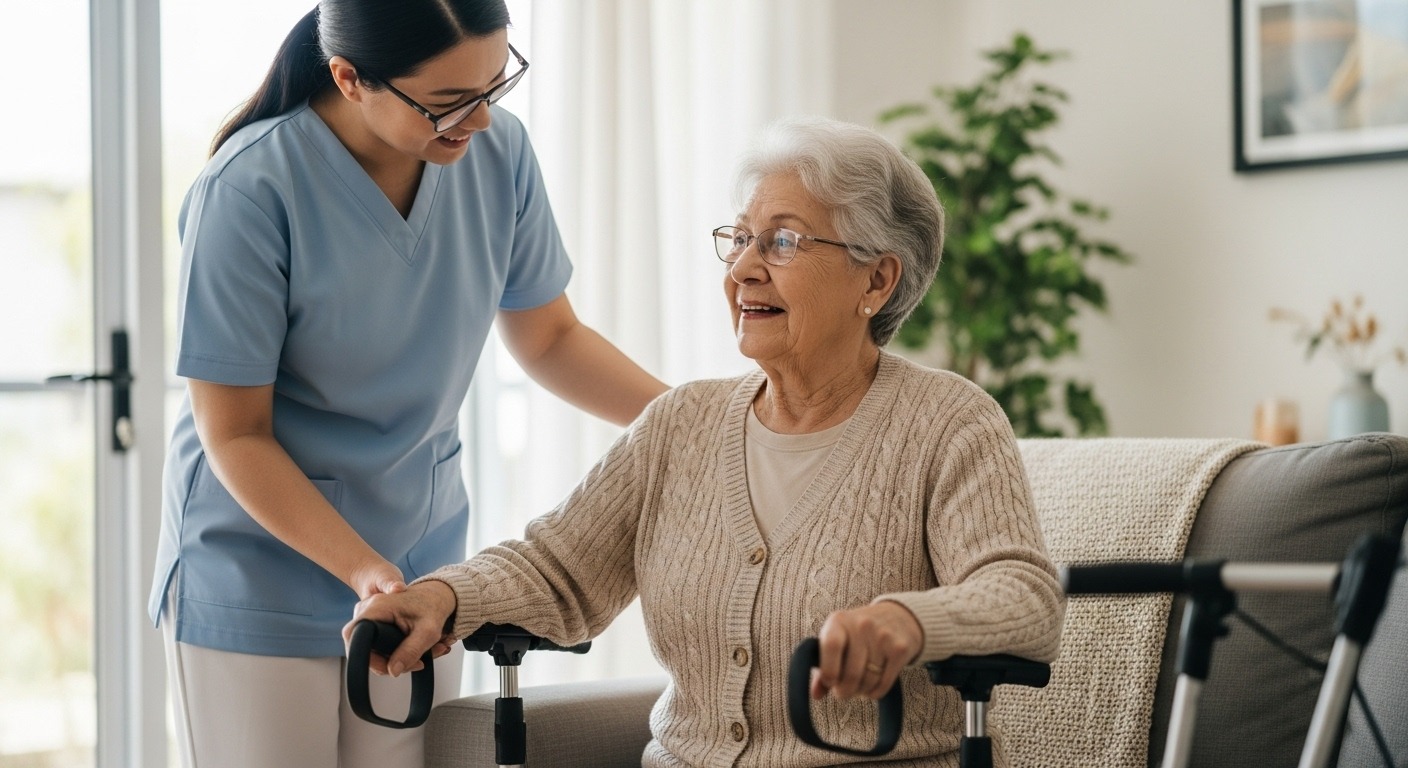
Caregivers trained in specialized Parkinson’s training know how to assist with walking, stretching, and gentle movement exercises. These activities improve balance, strengthen muscles, and help maintain flexibility. Even small motions like practicing standing or slow step sequences can enhance confidence and independence.
Home caregivers also focus on encouragement. Many seniors feel self-conscious about their mobility struggles, but having someone who motivates them with patience and positivity can make all the difference. From helping them safely navigate stairs to assisting with adaptive tools, the right support helps seniors stay active and engaged in their daily routines without fear of falling.
Creating A Safe and Comfortable Home: Practical Home Modifications for Parkinson’s
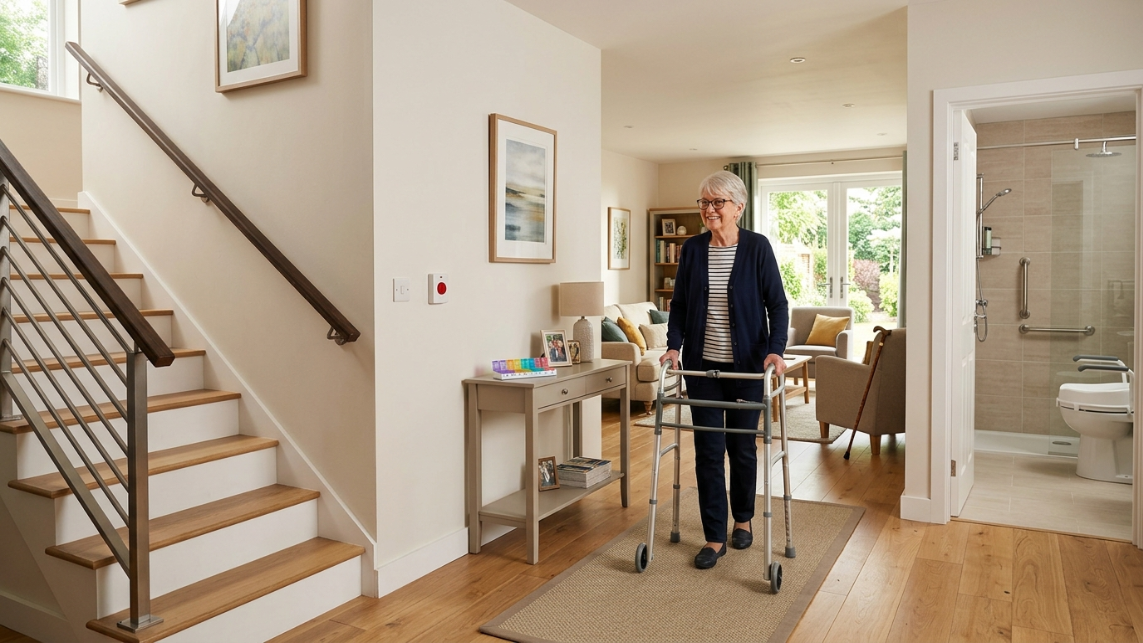
Home safety plays a central role in effective Parkinson’s disease elderly care. Even small environmental hazards can create big risks. Slippery floors, cluttered pathways, or low lighting can make it easy for someone to trip or lose balance. That’s why thoughtful home modifications for Parkinson’s can transform living spaces into safer, more manageable environments.
Installing grab bars in the bathroom, using non-slip mats, and keeping frequently used items within reach are simple but powerful steps. Adjustable chairs, raised toilet seats, and bed handles can make everyday activities easier and reduce physical strain.
Beyond safety, comfort matters too. Calm lighting, soothing colors, and easy-to-navigate layouts can reduce confusion and anxiety. These adjustments don’t just make a home safer they help seniors feel confident in their surroundings.
Families who work with in-home caregivers often find peace of mind knowing these adaptations help prevent falls and support long-term independence.
The Emotional and Mental Side of Parkinson’s: How Support at Home Helps Seniors Cope
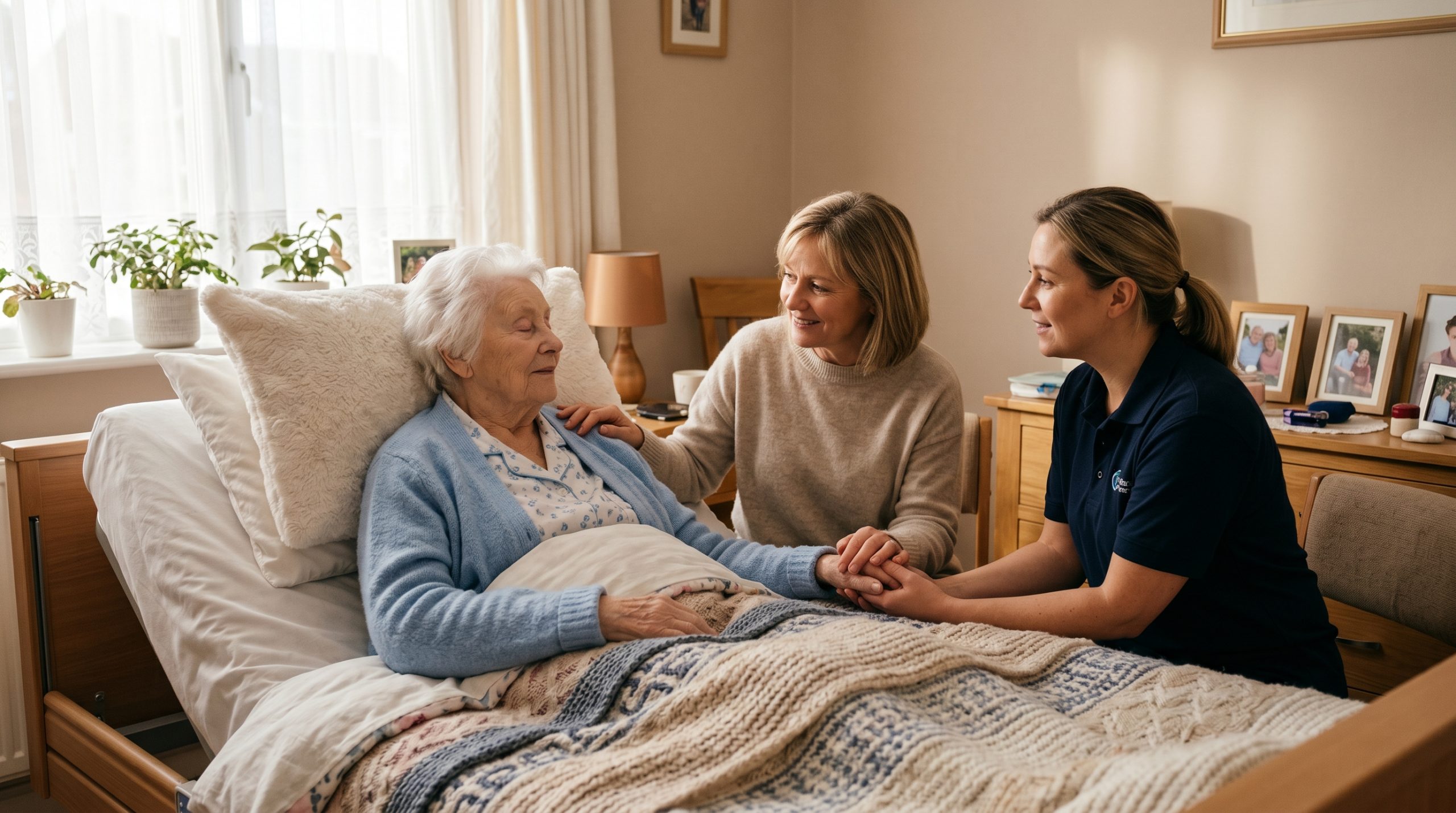
Living with Parkinson’s doesn’t just affect the body it deeply impacts emotional and mental health as well. Many seniors experience frustration, sadness, or anxiety as they lose control over once-simple movements. The feeling of dependency can be difficult to accept, which is why emotional support is an essential part of caring for Parkinson’s patient.
Caregivers who specialize in Parkinson’s care at home understand this balance between helping and empowering. They know when to step in and when to encourage self-reliance, helping seniors maintain a sense of dignity. Companionship also plays a major role.
Having someone to talk to, share meals with, or simply listen can prevent feelings of isolation and depression. Consistent emotional support helps stabilize mood, while structured activities like listening to music, puzzles, or gentle stretching can keep the mind active. When emotional and physical care align, seniors experience a fuller, more balanced quality of life.
The Importance of Skilled Caregivers and Specialized Parkinson’s Training for Better Quality of Life
Not all caregiving is the same. Parkinson’s disease requires specific knowledge and sensitivity, which is why having caregivers with specialized Parkinson’s training is so important. They understand the unique symptoms of the condition, from tremors and rigidity to speech challenges and fatigue, and know how to adjust their care techniques accordingly.
These caregivers also pay close attention to medication reactions, body language, and fatigue levels—signs that may go unnoticed by untrained individuals. They can help coordinate care with healthcare providers, ensuring that changes in condition are reported promptly.
Most importantly, caregivers offer patience. Progress may be slow, but every small improvement—every steady step or calm moment—is a victory. With skilled senior Parkinson’s support, families can rest assured that their loved ones are receiving care that’s both professional and compassionate.
Empowering Seniors with Parkinson’s Through Compassionate Home Care
Parkinson’s may change how a person moves, but it shouldn’t define how they live. With dedicated Parkinson’s care at home, seniors can enjoy comfort, independence, and dignity while managing their symptoms effectively. The right caregivers bring more than just skill—they bring heart, patience, and encouragement to every part of the day.
From managing medications and creating home modifications for Parkinson’s to providing emotional support and safe mobility guidance, home care offers the peace of mind families need.
Parkinson’s requires specialized care. One Stop Home Care Services caregivers are trained in Parkinson’s-specific assistance including mobility support and medication timing. Schedule your consultation today.