Behind every act of compassion is a person who has chosen to care. Professional caregivers are more than just helping hands—they are emotional anchors, sources of strength, and silent heroes in the lives of the elderly and those in need. Every task they perform, from offering companionship to assisting with daily activities, speaks volumes about their empathy and dedication.
But what does it truly take to be a great caregiver? What are the paths for growth in this noble profession? If you’ve ever wondered whether home care jobs offer more than just temporary work—or whether you can build a lifelong, rewarding career in elderly care—you’re not alone.
This guide explores the essential skills every caregiver needs, outlines daily responsibilities, and highlights how you can grow into roles like a community liaison. Let’s walk through the journey of professional caregiving and how it can become your calling and career.
The Heart of Professional Caregiving: What It Really Means To Be a Caregiver
Being a professional caregiver goes far beyond providing physical support. It’s about building relationships rooted in trust, patience, and emotional intelligence. Whether you’re working in a private home, assisted living facility, or through an agency like us, your role becomes a crucial part of someone’s daily life.
Professional caregivers are responsible for
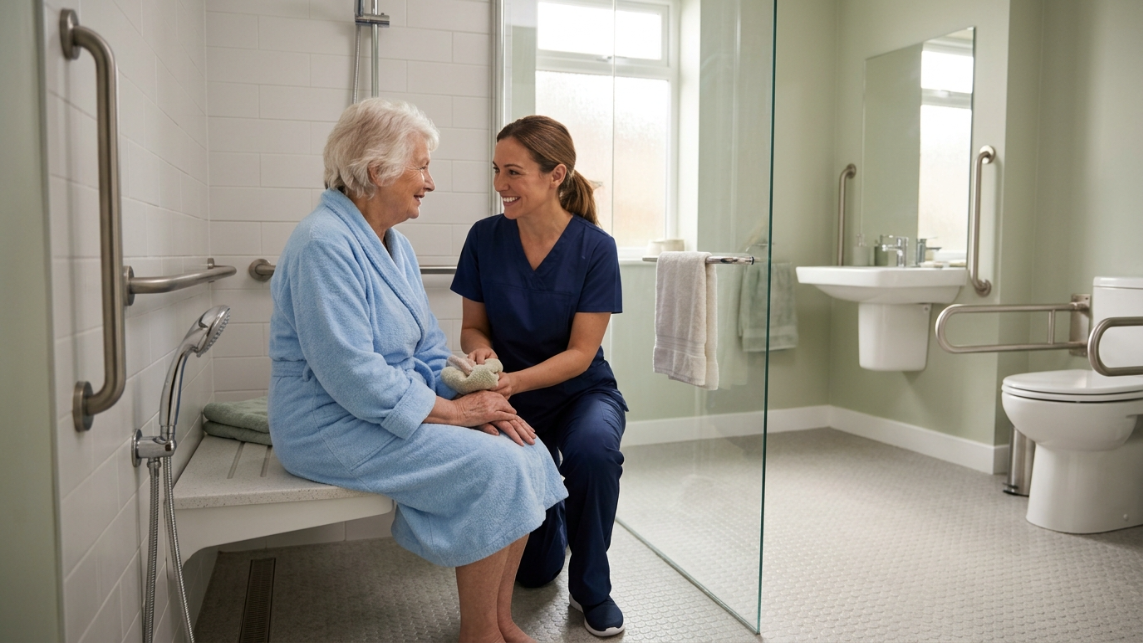
- Assisting with personal hygiene and grooming
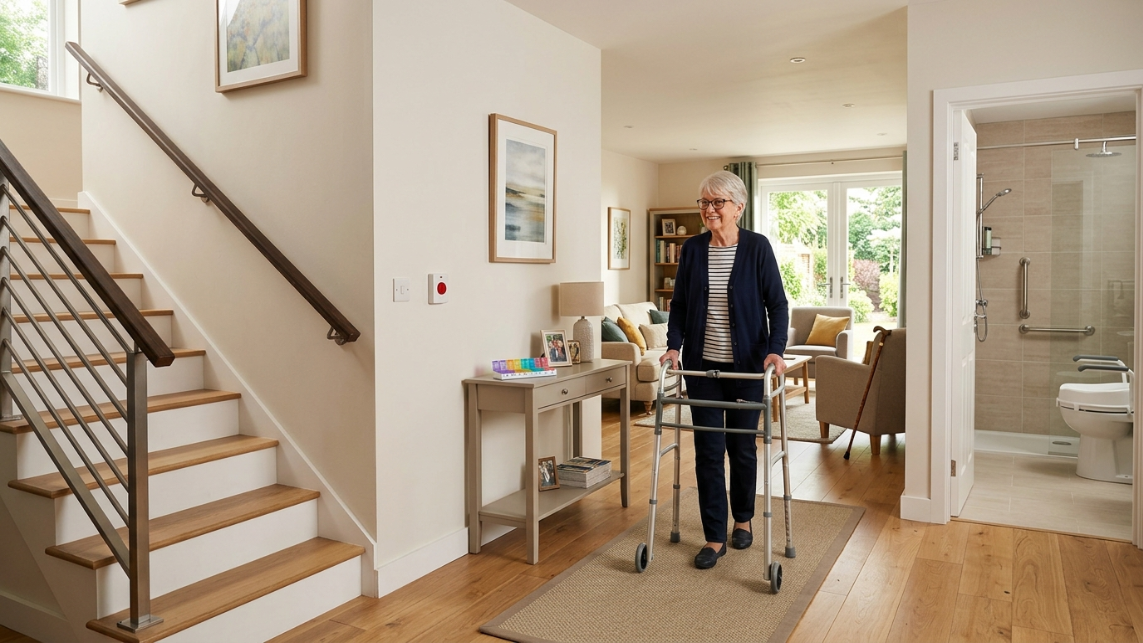
- Helping clients move around safely (mobility assistance)
- Administering medications or reminders
- Preparing meals and feeding, when necessary
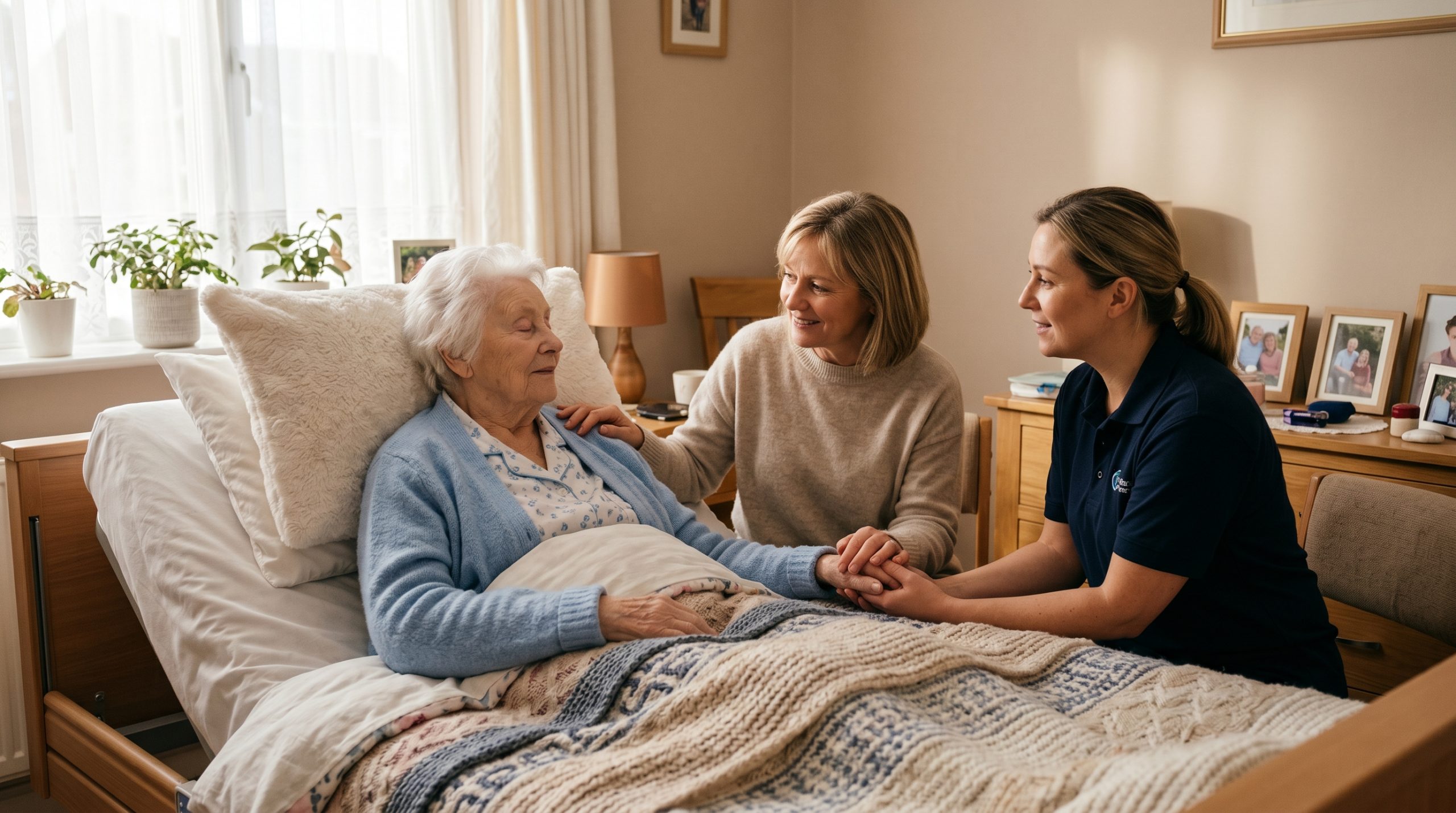
- Offering emotional companionship and conversation
- Performing light housekeeping tasks
But even more than that, caregivers are emotional lifelines. For many seniors, caregivers are the only consistent social interaction they have. A warm smile, a listening ear, and gentle reassurance can be as vital as any physical assistance.
This emotional labor is part of what makes caregiving such a profoundly human-centered profession.
Must-Have Skills Every Caregiver Should Develop To Provide Compassionate and Effective Elderly Care
If you’re considering or currently working in home care jobs, developing a strong skill set is key—not just for providing excellent care, but also for maintaining your own well-being. Here are the top qualities and abilities that define successful caregivers
Patience and Emotional Intelligence
Working in elderly care requires the ability to stay calm, even in challenging or repetitive situations. Seniors may need things explained multiple times or move more slowly than others. Compassion and empathy go hand in hand with patience.
Clear Communication
Caregivers must communicate clearly—not only with clients but also with family members, doctors, and supervisors. Whether you’re reporting a medical concern or offering emotional updates to loved ones, being articulate is essential.
Physical Stamina and Awareness
The role can be physically demanding. Lifting, assisting with mobility, and staying alert throughout the day are all part of the job. Knowing your limits and using proper techniques prevents injury and promotes safe caregiving.
Attention to Detail
Every small change in a client’s behavior, appetite, or routine could signal something important. Caregivers must be observant and proactive in responding to those shifts.
Time Management and Organization
From meal prep to medication schedules, there’s a lot to juggle. Managing your time efficiently ensures that nothing is missed and the client’s day flows smoothly.
By focusing on these core skills, you’re not only providing better care but also positioning yourself for long-term success in your home care career.
Understanding Daily Responsibilities: A Day in the Life of a Professional Caregiver
Every day in caregiving brings something different, but consistency and care form the foundation. Here’s a look at what a typical day may involve:
Morning Routine Support
Assisting with bathing, grooming, dressing, and breakfast
Medication Management
Ensuring timely reminders and documentation
Household Tasks
Light cleaning, laundry, and organizing
Emotional Engagement
Chatting, playing games, or going on short walks
Monitoring Health
Taking vital signs or watching for symptoms that require medical attention
Evening Wind-Down
Helping prepare for bed and ensuring safety for the night
Climbing the Ladder: How Caregivers Can Advance Their Careers and Step into Leadership Roles
Many people view caregiving as a starting point, not a destination—and that’s a good thing. At One Stop Home Care, we encourage career advancement and offer support to those ready to take on more responsibility. So how can a caregiver grow?
One of the most promising transitions is into a community liaison role. While still rooted in service, these professionals take on more external and leadership-based community liaison job duties, such as:
- Coordinating with referral partners (hospitals, clinics, senior centers)
- Educating families about services and answering inquiries
- Managing intakes and consultations
- Acting as a bridge between clients, families, and the caregiving team
- Attending community events and promoting home care services
To move into this role, caregivers can start by expressing interest to their supervisors, participating in any offered training, and gradually taking on additional responsibilities. Strong communication, leadership, and a deep understanding of caregiving needs are essential for this advancement.
Other growth paths may include
- Care Coordinator
- Team Supervisor
- Client Services Manager
- Training & Development Specialist for New Caregivers
With dedication and the right support, caregivers can build a robust, long-term career in the healthcare and social services field.
FAQs: Common Questions about Becoming a Professional Care give
Do I need a certification to become a caregiver?
It depends on your state and the agency. While many home care jobs require a basic caregiver certification or CNA training, others offer on-the-job training for compassionate individuals.
How can I move from caregiving into an administrative or leadership role?
Express your goals early. Take on additional responsibilities, improve your communication and organizational skills, and ask about openings such as community liaison job duties or coordinator roles.
What’s the most rewarding part of being a caregiver?
Most caregivers say it’s the relationships. Making someone feel safe, seen, and valued brings a deep sense of purpose and connection.
Caregiving Is Not Just a Job—it’s A Life-Changing Career Journey
To care is to give something of yourself—and in the world of professional caregiving, that gift makes a profound difference. Whether you’re just starting or have years of experience, know that your role as a caregiver carries weight, meaning, and boundless opportunities for growth.
From offering daily support in elderly care to stepping into community liaison job duties, your career path is rich with possibilities. At One Stop Home Care, we honor the work of every caregiver. We see the heart behind every task and the passion behind every career step.
Your journey doesn’t end with basic caregiving—it begins there. With the right mindset, skills, and support, you can grow, lead, and inspire in ways you never imagined.
Ready to explore how far your compassion can take you? Your professional caregiving career is waiting—let’s take the next step together.