Aging is a journey filled with wisdom, love, and unique experiences—but it also brings a host of physical, emotional, and cognitive health challenges. For every old person, growing older can mean adapting to changes in the body and mind, often requiring additional support to maintain a high quality of life.
For caregivers and family members, understanding these shifts is key to providing compassionate, effective senior care. From mobility issues and chronic illnesses to changes in mood and memory, seniors may encounter a variety of hurdles that impact their independence. It’s not just about treating symptoms—it’s about nurturing dignity and helping seniors age gracefully in their own homes.
This blog dives into the most common health concerns older adults face and offers practical strategies for caregiving, including how to respond to questions like “why do old people sleep so much” or “why do old people smell” with empathy and knowledge.
Understanding the Aging Body: What Changes Physically For an Old Person and Why It Matters
As we age, our bodies naturally undergo changes. These shifts are more than just skin deep—they affect muscle strength, bone density, skin elasticity, and even our senses. For any old person, these physical transformations can be frustrating and sometimes frightening.
Decreased muscle mass can lead to reduced mobility, while brittle bones raise the risk of falls and fractures. Changes in metabolism might lead to weight gain or loss, and digestive efficiency declines, impacting nutrition absorption. The immune system weakens, making older adults more susceptible to infections and slower to heal.
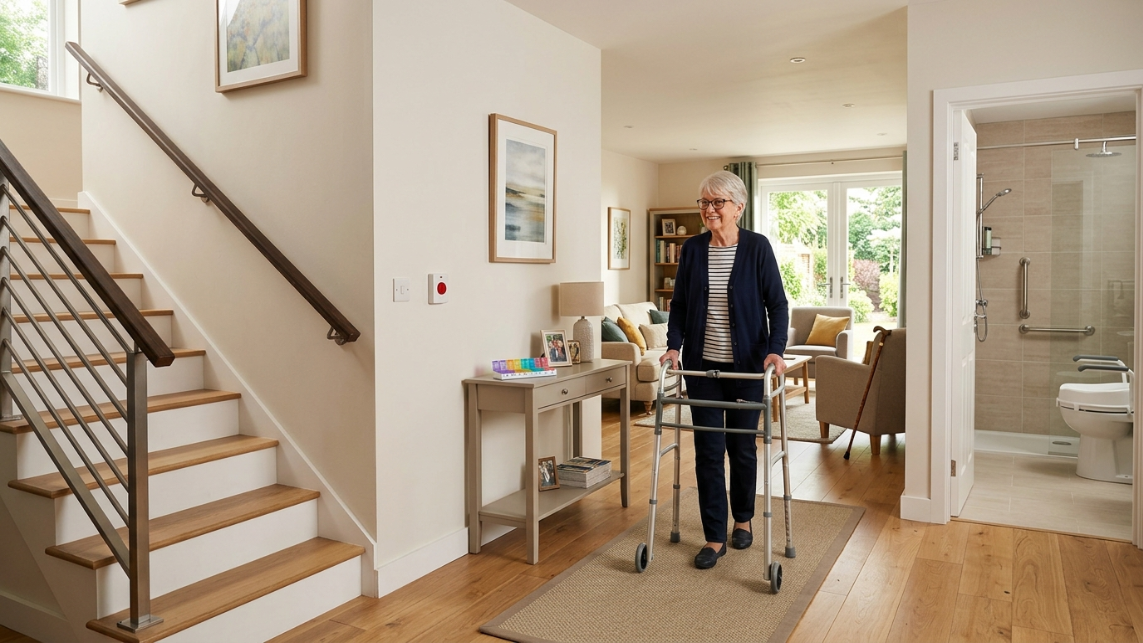
This is why elderly care needs to be proactive. Regular check-ups, nutritional support, tailored exercise, and home modifications (like grab bars and better lighting) are all essential. Simple actions can go a long way in helping seniors feel secure and comfortable in their daily lives. By recognizing these shifts and responding early, caregivers can minimize risks and maximize independence.
Mental and Emotional Health in seniors: Navigating Memory Loss, Mood Changes, And Loneliness
Mental health is often overlooked in older adults, but it’s just as critical as physical well-being. Many seniors struggle with memory loss, anxiety, depression, or simply the emotional weight of isolation. These challenges can stem from neurological changes or major life events like retirement, the death of a spouse, or reduced social interaction.
Cognitive decline can range from mild forgetfulness to more severe conditions like dementia or Alzheimer’s. Mood swings or persistent sadness may signal depression, especially if the senior withdraws from activities they once enjoyed. Loneliness, too, is a silent threat—one that has been linked to a higher risk of heart disease and premature death.
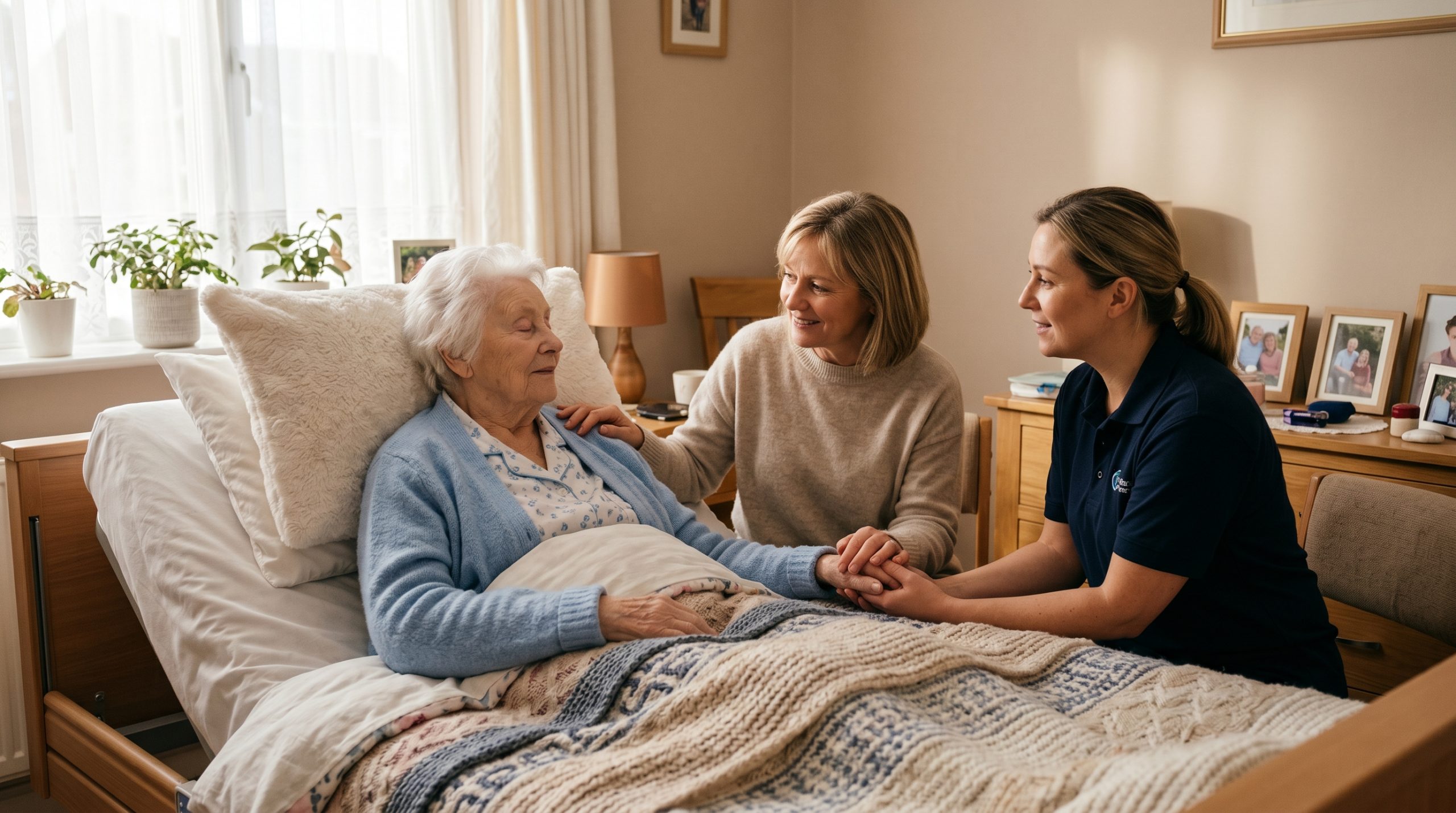
Senior care must include emotional support. This might mean encouraging social interaction, providing mental stimulation through hobbies and games, or even scheduling therapy or counseling. Active listening and emotional presence are just as healing as medication. Compassionate caregiving makes seniors feel seen, valued, and emotionally safe.
Common Chronic Conditions in Older Adults and How to Support Their Long-Term Management
Many chronic illnesses become more prevalent as we age. For an old person, conditions like diabetes, arthritis, hypertension, and heart disease often become a part of daily life. These illnesses require consistent management, including medications, lifestyle changes, and regular monitoring.
Caregivers must be organized and vigilant. Help your loved one stick to medication schedules, monitor vital signs when needed, and keep medical appointments. Meal planning is also crucial. For instance, a senior with diabetes might need a low-sugar, high-fiber diet, while someone with arthritis might benefit from anti-inflammatory foods.
Equally important is understanding symptom fluctuations and knowing when to call a doctor. Keep a journal of any changes and look for early warning signs. The goal isn’t just to survive these conditions—it’s to help the senior thrive despite them. With the right elderly care, these chronic issues can be managed effectively, preserving the joy and rhythm of everyday life.
The sensitive questions: why do old people sleep so much or have a distinct smell?
Caregivers often encounter two common concerns: “Why do old people sleep so much?” and “Why do old people smell?” While these questions might seem awkward, they come from a place of genuine curiosity and care.
Sleep changes are a natural part of aging. Older adults tend to have lighter, fragmented sleep and may wake more during the night, making them feel drowsy during the day. Conditions like sleep apnea, depression, or medication side effects can also increase sleepiness.
As for body odor, it’s often due to changes in skin composition, slower cell turnover, and certain medications or hygiene challenges. Seniors may bathe less frequently due to mobility issues or forgetfulness, which can contribute to this concern.
Instead of feeling embarrassed, caregivers should approach these topics gently. For example, set a pleasant hygiene routine with warm baths and favorite scents, or encourage a short nap in the afternoon rather than prolonged daytime sleep. These thoughtful steps go a long way in improving comfort and confidence.
Creating a Holistic Care Routine That Supports Mind, Body, And Spirit in Every Old Person
Holistic care means treating the whole person, not just the symptoms. For an old person, this includes not just physical help but also emotional and spiritual support. An ideal routine balances medical needs, mobility support, social interaction, and time for rest and joy.
Start the day with light stretches or a walk. Mid-mornings can be ideal for memory games, music, or favorite hobbies. Balanced meals, rest periods, and personal care (like brushing hair or moisturizing skin) restore dignity and routine. Invite family visits or video calls to boost connection.
Include spiritual support too, whether it’s through prayer, quiet reflection, or reading uplifting literature. When seniors feel cared for in every aspect of their being, their resilience grows. Caregivers who embrace this holistic model often find their loved ones are not just surviving—they’re thriving.
FAQs: Your Most Common Questions about Elderly Care, Answered
How can I tell if my aging parent needs more help at home?
Look for red flags like missed medications, confusion, weight loss, or increased falls. If daily tasks become overwhelming, professional support may be needed.
What are the best activities for senior mental health?
Puzzles, storytelling, music therapy, gardening, or even pet interaction can provide cognitive stimulation and emotional relief.
How often should seniors see a doctor?
At least once a year for general health screenings. More frequently if managing chronic conditions or medications.
Restoring Quality Of Life: The Power of Attentive Care for Seniors Facing Health Challenges
Aging may bring health hurdles, but it doesn’t have to mean loss of dignity or joy. With the right support, even the most vulnerable old person can lead a fulfilling life. As a caregiver or family member, your role is vital in making that possible.
By understanding how aging affects both body and mind, you can create a supportive environment that meets their evolving needs. Whether you’re learning about chronic disease management, wondering “why do old people sleep so much,” or simply offering a warm smile during a tough day, every act of kindness matters.
At One Stop Home Care, we believe that caregiving is about more than just assistance—it’s about partnership, empathy, and enhancing every moment of the journey. Together, we can turn senior health challenges into opportunities for connection, strength, and love.