Here’s the truth — aging doesn’t mean giving up independence. Most seniors want to live in their own homes, surrounded by familiar comforts and memories. But what often stands in the way of that independence is something as simple yet serious as a fall.
Every year, thousands of older adults in Connecticut experience falls that could have been prevented with a few thoughtful changes. Fall prevention at home isn’t just about safety; it’s about preserving dignity, confidence, and quality of life. A small step like installing better lighting or using a mobility aid can make a big difference in how safely and freely someone moves through their day.
And that’s where a little awareness and proactive care go a long way — helping seniors continue aging in place safely, with fewer worries and more peace of mind.
Understanding The Real Risks: Why Senior Fall Prevention Starts with Awareness
Before you can fix a problem, you have to understand what causes it. Senior fall prevention begins with recognizing that falls aren’t random — they’re often triggered by a mix of physical, environmental, and medical factors. For instance, as people age, their balance, muscle strength, and reaction time naturally decrease. Medications can sometimes cause dizziness, and vision changes can make navigating uneven flooring risky.
It’s also important to discuss fatigue/drowsiness as fall risk factors, because many seniors underestimate how much tiredness can affect coordination and awareness. Something as simple as standing up too quickly after resting can lead to a loss of balance.
These risks don’t mean seniors can’t live independently — they just mean it’s time to make adjustments that support their safety. That’s what preventing falls in elderly loved ones really looks like: practical awareness and small, consistent actions that protect their confidence at home.
Creating A Safer Living Space: Practical Steps for Home Safety for Seniors
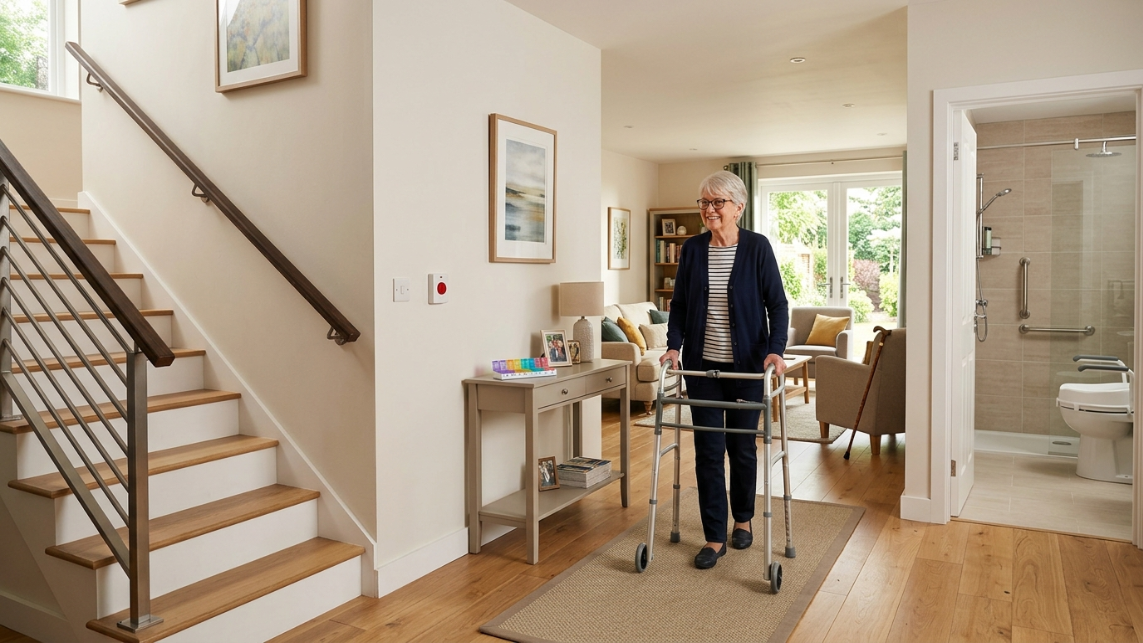
Let’s talk about environment — because home should be the safest place there is. Home safety for seniors starts with identifying everyday hazards that often go unnoticed. Loose rugs, cluttered walkways, electrical cords, and slippery bathroom floors are common culprits behind many falls.
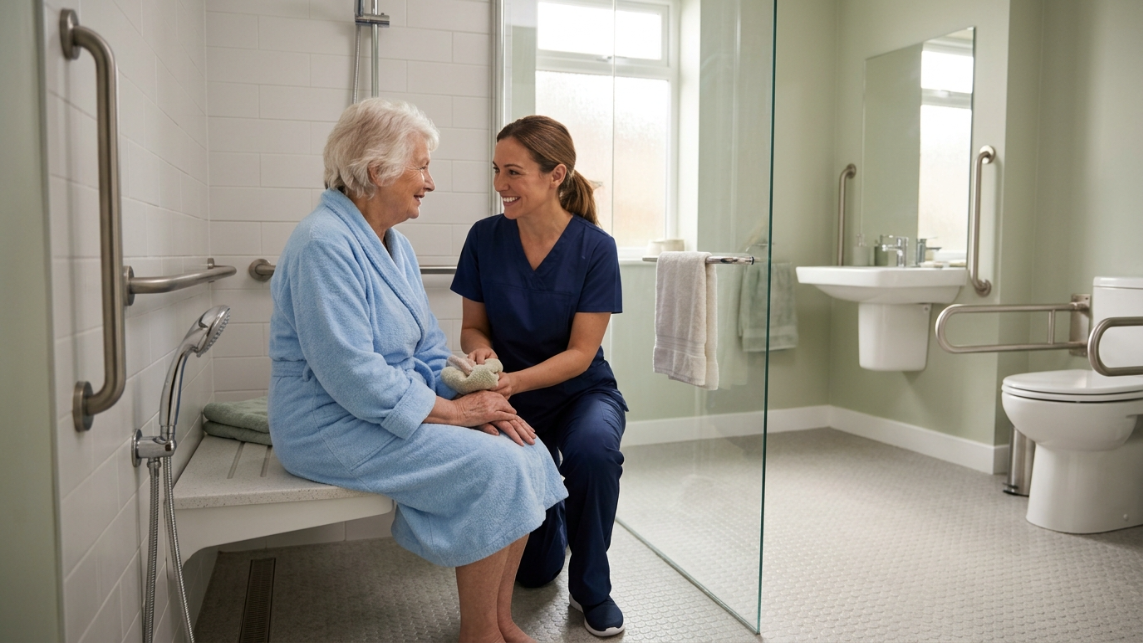
Simple fixes make a big difference. Install grab bars near showers and toilets. Add non-slip mats and ensure stairs have sturdy handrails on both sides. Improving lighting throughout the house — especially along hallways and stairways — can drastically reduce elderly fall risks.
If a loved one insists on doing chores or cooking, consider rearranging the kitchen or storage areas so essentials are within easy reach. These home modifications for seniors help create a space that feels comfortable and secure, while maintaining independence.
And here’s the thing — safety doesn’t mean taking away freedom. It means designing a home that supports it.
Strengthening Balance and Mobility: Exercises and Assistance That Make a Difference
Staying active is one of the most effective ways to prevent falls. Regular movement improves flexibility, strength, and balance, helping older adults maintain confidence in every step. Gentle balance exercises for elderly individuals — such as chair yoga, tai chi, or simple leg raises — can enhance coordination without straining the body.
For those who find walking or standing for long periods difficult, professional assistance with mobility can make a huge difference. Having someone by their side, whether for a daily walk or to help around the house, promotes both safety and reassurance.
Mobility aids like canes or walkers should also be fitted properly, as improper height or design can cause more harm than good. And if frequent loss of balance occurs, it might be time to discuss when falls indicate need for more comprehensive care, ensuring the right level of support is always available.
Recognizing Hidden Triggers: Medical And Lifestyle Factors in Fall Prevention
Not all fall risks come from the environment. Sometimes, the cause is internal — related to medication, hydration, or diet. Certain prescriptions can cause dizziness or blurred vision, and dehydration can lead to low blood pressure, increasing the risk of fainting.
That’s why reviewing medications regularly with a healthcare provider is crucial for preventing falls in elderly loved ones. Poor sleep or underlying health conditions like arthritis and neuropathy also play a role. Addressing fatigue, managing pain, and maintaining good nutrition all contribute to balance and coordination.
It’s also smart to invest in fall detection systems, especially for seniors living alone. These devices can automatically alert caregivers in case of an emergency, offering peace of mind for both seniors and their families.
Ultimately, fall prevention as core safety concern isn’t just about avoiding injury — it’s about promoting a lifestyle where safety and independence coexist comfortably.
Encouraging Confidence Through Connection and Compassionate Support
Here’s what’s often overlooked: emotional well-being plays a huge part in senior fall prevention. After a fall, many seniors experience fear or hesitation to move freely again. This loss of confidence can lead to reduced activity, which in turn weakens muscles — creating a cycle that raises fall risk even more.
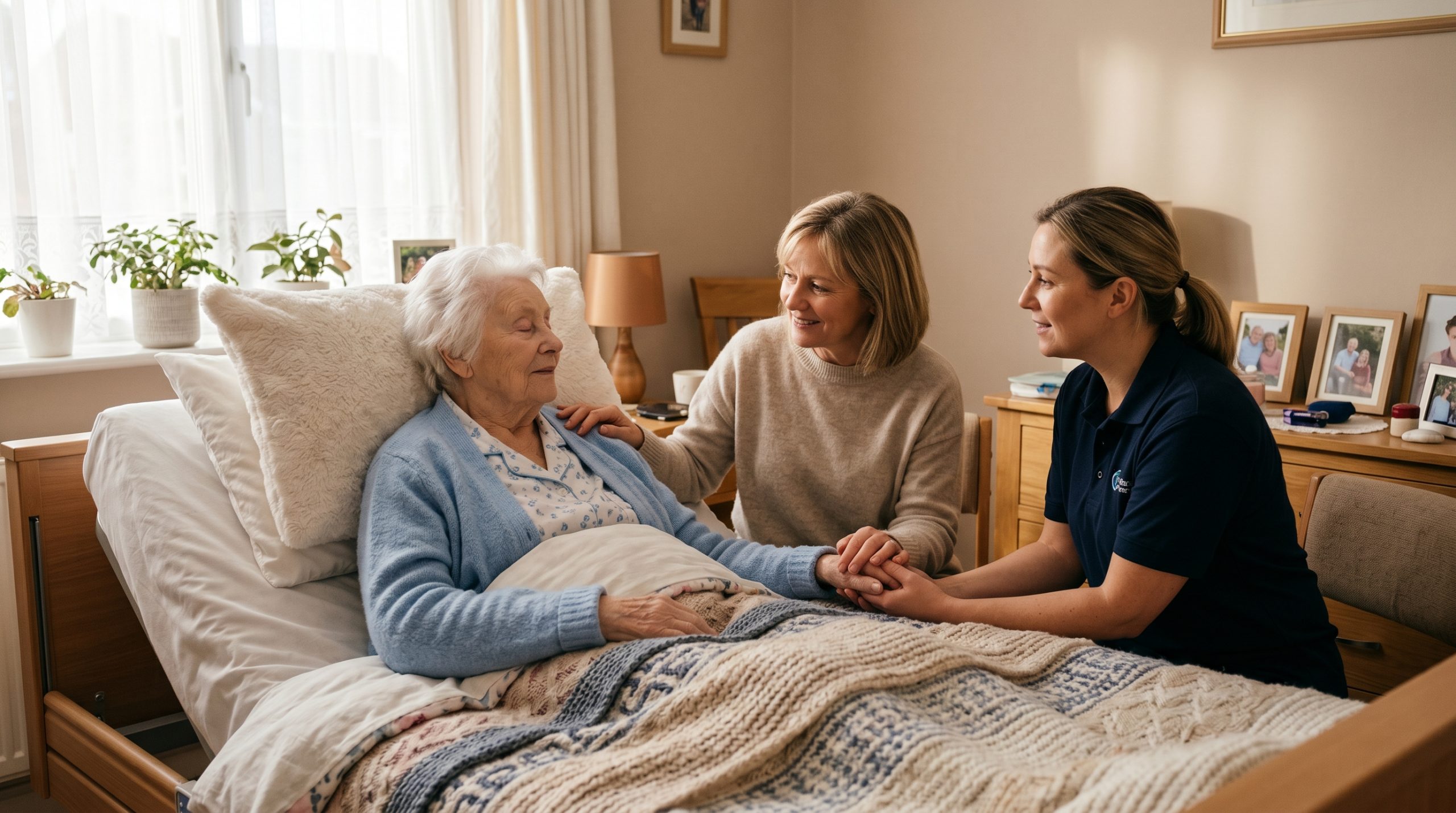
Breaking that cycle takes compassion and consistent support. Encouraging movement, setting up safe exercise routines, and ensuring regular companionship go a long way in rebuilding trust in their own abilities. Families can work closely with caregivers who specialize in senior mobility assistance, ensuring their loved ones are supported both physically and emotionally.
When seniors feel supported, they’re more likely to engage in activities that keep them active and connected. And that’s the real secret — safety doesn’t have to feel restrictive; it can actually feel empowering.
Keeping Independence Safe and Strong
At the end of the day, fall prevention at home is about protecting what matters most — independence, dignity, and comfort. Each safety measure, from grab bars to mobility support, plays a role in helping seniors live confidently in the homes they love. Awareness, preparation, and compassion together create the foundation for aging in place safely.
If you’ve noticed increasing balance issues or recent near-falls, don’t wait for an accident to happen — it may be time to assess when falls indicate need for more comprehensive care. And remember, the goal isn’t to take away freedom; it’s to make independence sustainable.
Concerned about fall risks? Our compassionate caregivers at One Stop Home Care Services provide hands-on mobility assistance and safety monitoring. Contact us today for a free home safety assessment. Because when safety and care go hand in hand, independence doesn’t just continue — it thrives.