Watching a loved one age or struggle with health challenges can be emotionally overwhelming. The decision of where and how to provide them with the best possible care is never simple. Do you choose a structured environment like a nursing home, or opt for care at home where they remain in the comfort of familiar surroundings?
Each path offers unique benefits—and challenges. But what truly matters are preserving dignity, quality of life, and personalized attention. This guide is designed to help families in Connecticut and beyond navigate the key differences between in home care and care facility options.
Whether you’re weighing the benefits of home health care services or trying to understand what daily life in a facility looks like, we’ll walk you through the facts, the emotions, and the questions you need to ask. Because making the right decision starts with understanding your options—and your loved one’s needs.
Why So Many Families Are Choosing the Comfort and Flexibility of Care At Home
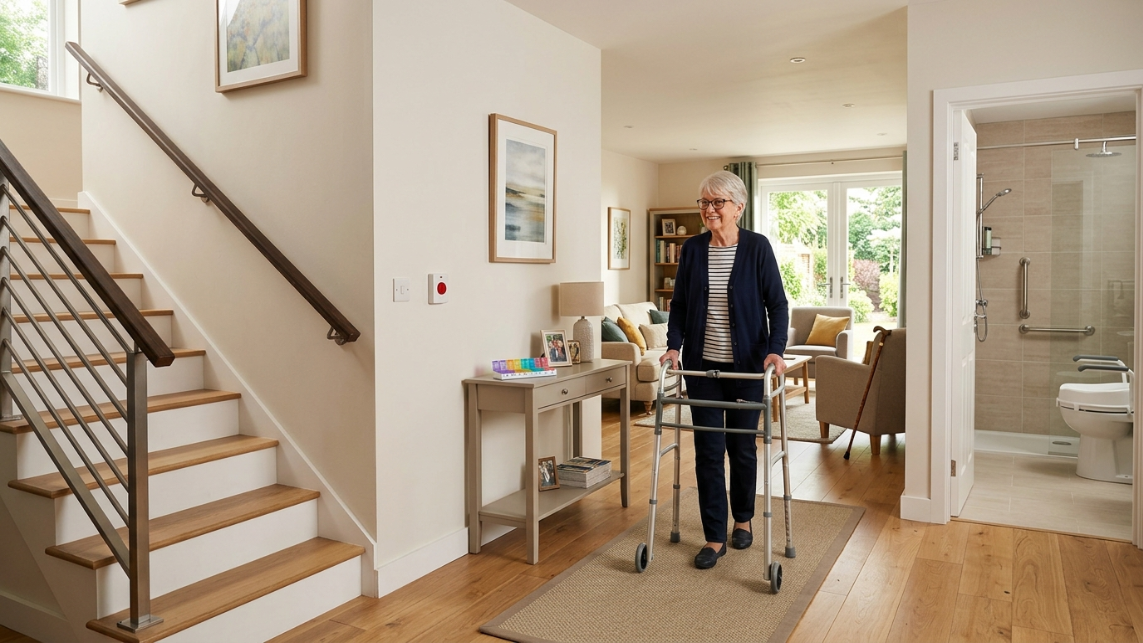
The idea of receiving care at home is becoming increasingly popular—and for good reason. Seniors often express a deep desire to age in place, surrounded by the memories, people, and neighborhoods they’ve known for years.
Home care provides flexibility that most care facilities can’t match. Whether your loved one needs a few hours of companionship each day or more involved medical support, in home care services can be tailored to your exact needs.
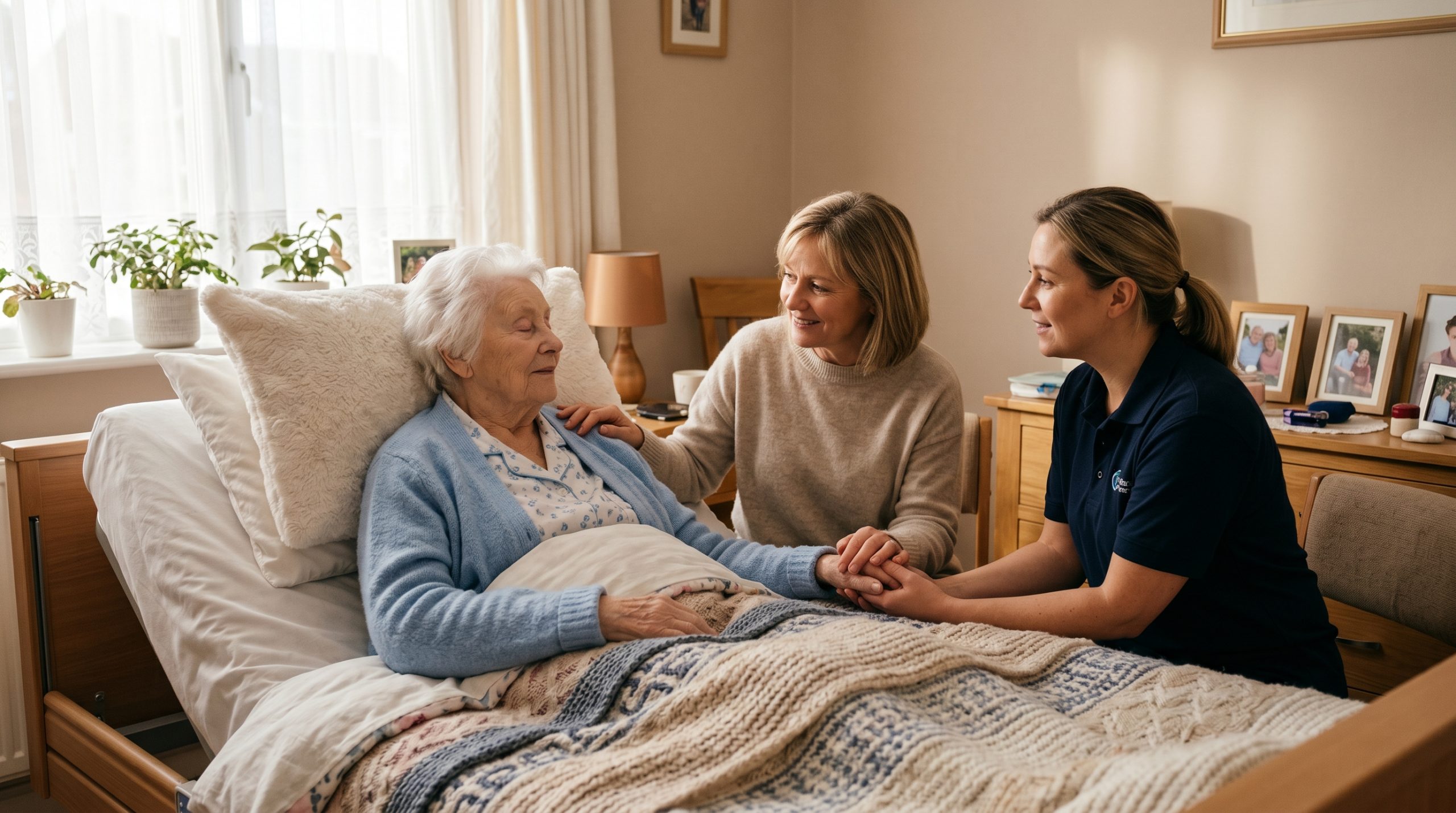
Families appreciate having the ability to hire private care clients who form trusting, personal relationships with their clients—turning care into genuine companionship.
How Care Facilities Provide 24/7 Monitoring and A Community-Based Alternative to Home Care
While care at home may sound ideal for many, it’s important to also understand what care facilities offer. For seniors with complex health conditions that require round-the-clock medical oversight, assisted living or skilled nursing facilities might be a safer option.
Facilities offer structure, immediate access to medical staff, and social interaction through scheduled activities and communal living. For seniors struggling with advanced dementia, chronic illnesses, or mobility issues, this level of supervision may offer peace of mind to families.
However, not every facility experience is the same. Some seniors may find the loss of independence difficult to cope with. Strict schedules, less personalized attention, and high staff-to-resident ratios can leave some residents feeling overlooked. That’s why it’s crucial to tour multiple facilities, ask the right questions, and involve your loved one in the decision.
The Financial Considerations: What You Need To Know Before Making a Choice
Money matters—and it plays a major role in deciding between care at home and residential care facilities.
Let’s break it down
- Home care can be more cost-effective for those who need part-time help. Hiring a private care client allows flexibility in scheduling and budgeting.
- Facilities typically charge a flat monthly rate, which can be hefty. However, this includes meals, housing, medical care, and social programs.
- Some long-term care insurance plans and Medicaid programs in Connecticut cover home health care services under specific conditions.
- It’s also worth considering hidden costs—transportation, prescriptions, or emotional costs of moving your loved one out of their home.
Consult a financial advisor or care coordinator to help assess your budget and options. Remember, the right care should support both health and financial peace of mind.
When In Home Care Is the Better Choice for Your Family
There are many signs that in home care may be the more appropriate route
- Your loved one is still mentally sharp and desires to remain at home.
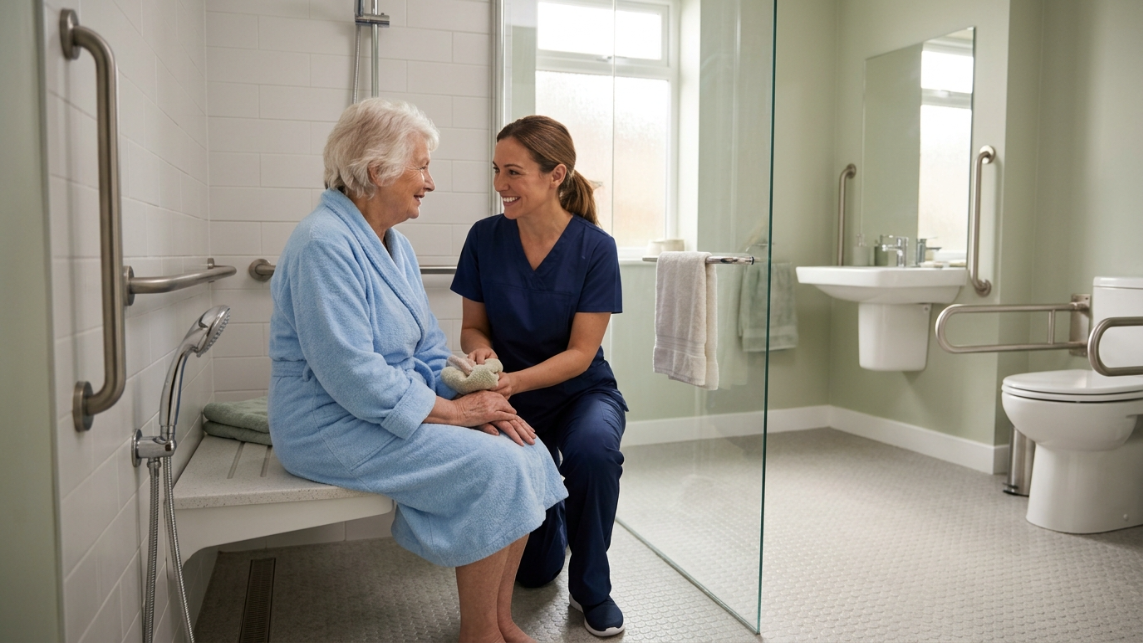
- They need help with bathing, grooming, or household chores—but not round-the-clock nursing.
- You’re looking to preserve independence while ensuring safety and comfort.
- You want to build a personal, trusting relationship with a caregiver who gets to know your family deeply.
Most importantly, home care brings peace of mind. It’s tailored, human, and flexible. And when done right, it can feel less like hired help—and more like extended family.
When a Care Facility Becomes Necessary and Offers Peace of Mind
There are also times when a care facility becomes the more suitable option
- Your loved one needs constant medical supervision.
- Safety risks at home have increased (frequent falls, wandering, or medication mismanagement).
- Caregiver burnout is affecting family members’ well-being.
- Your loved one requires memory care or rehabilitation services not feasible in a home setting.
FAQs: Common Questions about Choosing Between Home Care and Facility Care
Is it more affordable to hire in home care instead of placing my loved one in a facility?
In many cases, yes—especially if your loved one only needs part-time assistance. With home care, you can scale support based on need and budget.
What qualifications should I look for in a home health care provider?
Look for licensed caregivers with experience, background checks, and positive client reviews. Agencies often handle training and oversight, while private care clients might offer more personalized attention.
Can I combine both options?
Absolutely. Some families begin with in home care and transition to a facility later. It’s not all-or-nothing—flexibility is key to finding the right balance.
Trust Your Heart, but Make an Informed Choice for Long-Term Wellbeing
There’s no one-size-fits-all answer when it comes to deciding between care at home and residential care. What matters most is understanding your loved one’s unique needs, preferences, and health conditions. In home care offers intimacy, freedom, and comfort—while care facilities provide structure, medical oversight, and community.
This decision is emotional, and that’s okay. Take time to speak with professionals, tour options, and—most importantly—listen to your loved one. At the end of the day, your goal is the same: to ensure their days are filled with dignity, joy, and compassionate support.
Whether you’re ready to hire a private care client or still weighing your options, remember—you don’t have to do this alone. Help is here, and support is just a call away.