Imagine the quiet worry that settles in when you watch an aging parent navigate the familiar rooms of their home a little more cautiously each day. A simple trip to the kitchen or a nighttime visit to the bathroom suddenly carries unspoken risks.
Falls among older adults are more than just accidents, they can mark a turning point, leading to injuries that erode confidence, independence, and quality of life. As families, we want nothing more than to protect those who once protected us, preserving their dignity while they continue living in the comfort of their own space.
When it comes to fall prevention for seniors, small, consistent actions make a profound difference. Understanding the realities of elderly fall risk empowers families to act thoughtfully. With awareness, practical changes, and gentle encouragement, you can help your loved one move through their days with greater security and peace of mind.
This guide offers clear, actionable insights rooted in everyday realities to support safer living at home.
Recognizing The Factors Behind Elderly Fall Risk and How to Address Them
Elderly fall risk rises with age due to natural changes in the body combined with environmental challenges, and this is exactly where creating a safe home environment for seniors becomes essential for maintaining safety and independence at home. Muscle strength declines gradually, balance becomes less steady, and vision or hearing adjustments can affect spatial awareness.
Chronic conditions like arthritis, neurological issues, or even side effects from common medications add layers of vulnerability. Many seniors also experience reduced reaction times, making recovery from a slight misstep more difficult.
Families often notice subtle signs first: hesitation on stairs, reliance on walls for support, or reluctance to move around after dark. These moments reflect real physiological shifts rather than personal failings. Addressing them starts with open conversations and honest assessments.
Encourage regular medical reviews that check vision, hearing, and foot health, as untreated issues significantly heighten risks. Simple blood pressure checks matter too, since sudden drops when standing can cause dizziness.
Beyond the body, environmental cues play a major role. Poor lighting, cluttered pathways, or slippery surfaces quietly compound daily hazards. By observing routines together, perhaps during a morning walk through the house, families can identify patterns unique to their loved one. This collaborative approach builds understanding without diminishing autonomy.
Creating A Safer Living Space Through Thoughtful Home Adjustments
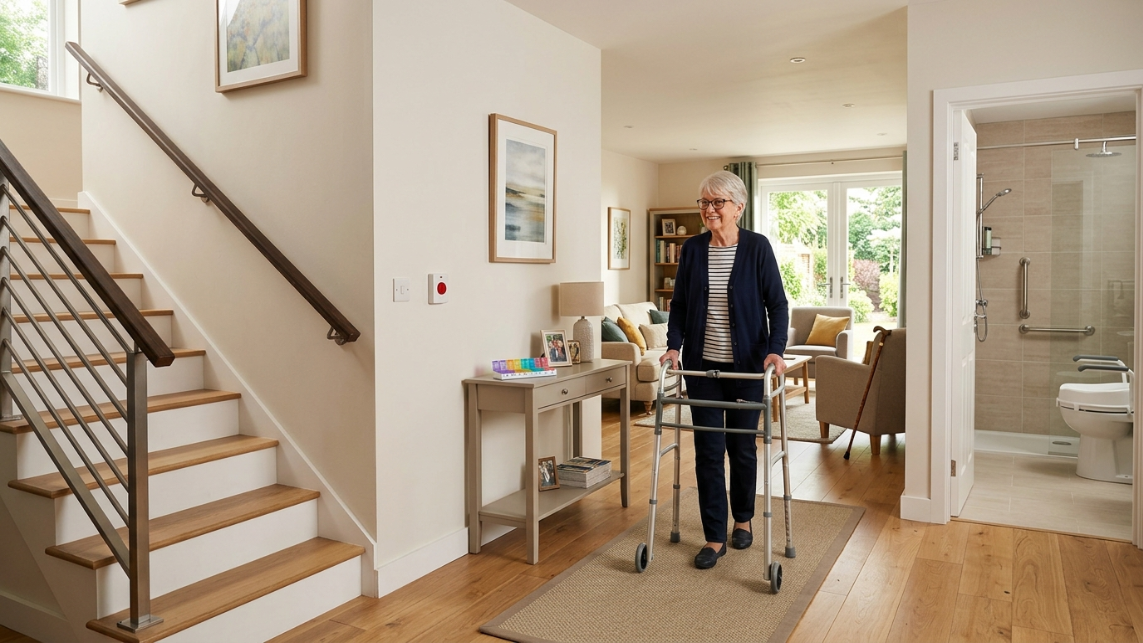
Many falls occur in familiar areas where small oversights accumulate. Begin by walking through each room with fresh eyes, focusing on clear pathways and stable surfaces. In living areas, secure loose rugs with non-slip backing or remove them entirely to eliminate tripping points. Arrange furniture to allow wide, unobstructed routes, especially for those using walkers or canes.
Lighting deserves special attention. Install bright, even illumination with switches at both ends of hallways and near beds. Motion-sensor night lights guide safe nighttime movement between bedroom and bathroom, reducing disorientation in low light.
In kitchens, keep frequently used items at waist height to avoid risky reaching or bending. Use sturdy step stools only when necessary, and always with supervision.
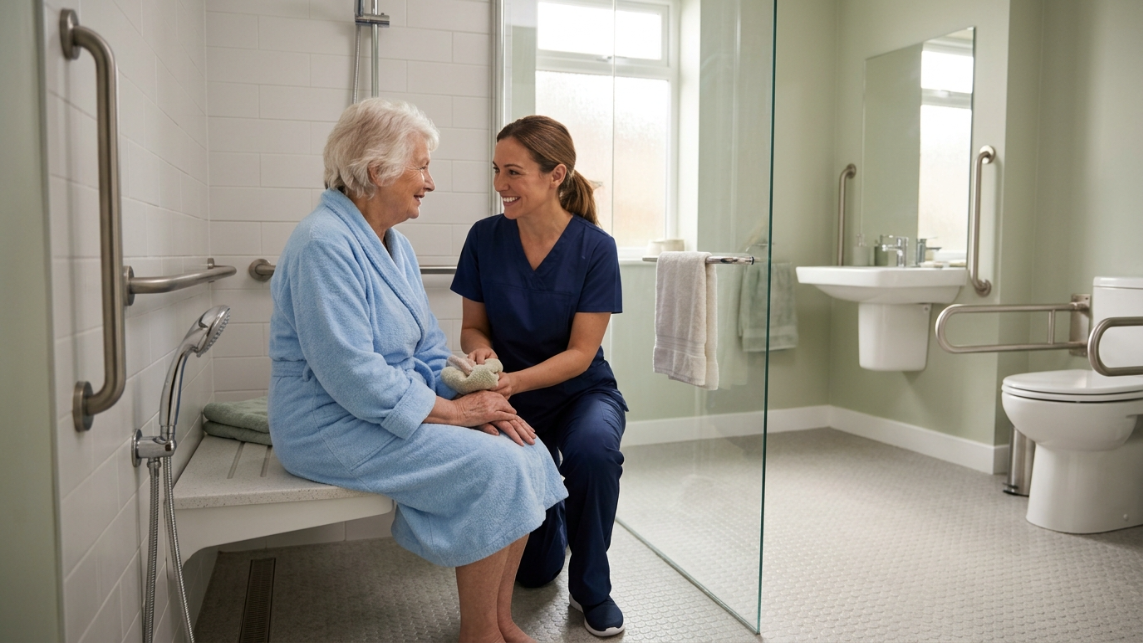
Bathrooms often present the highest risk due to wet floors. Add grab bars near toilets and inside showers, choosing models installed securely into wall studs. Non-slip mats or adhesive strips provide traction in tubs and on tile. Consider a handheld showerhead and a stable seat for comfortable, supported bathing. These modifications enhance security without transforming the home’s character.
Outdoors, maintain clear walkways, repair uneven pavement, and add handrails where steps exist. Seasonal adjustments, such as clearing leaves or ice, matter year-round in Connecticut’s variable weather.
Such changes reflect care and foresight, allowing seniors to navigate their surroundings with confidence rather than caution. Fall-proofing home environments through these practical steps creates lasting protection.
Incorporating Senior Balance Exercises to Build Strength and Confidence
Physical activity tailored to ability levels offers one of the most effective ways to maintain stability. fall prevention safety tips for independent seniors naturally include regular movement routines that strengthen key muscles, improve coordination, and boost overall assurance in movement.
Start with simple sit-to-stand repetitions from a sturdy chair. Sit toward the front edge, feet flat on the floor, then rise slowly using leg strength before lowering with control. Perform these 8 to 10 times, resting as needed. It mimics daily movements and builds lower body power essential for stability.
Heel-to-toe walking provides another accessible option. Place one foot directly in front of the other, as if on a straight line, and take slow steps while holding a stable surface if required. This enhances coordination and proprioception, the body’s sense of position. Side leg lifts, performed while standing and holding a chair, strengthen hip muscles that support balance during turns or shifts in weight.
Tai chi movements, with their slow, flowing sequences, prove particularly beneficial for seniors. Many community centers or online videos offer gentle versions suitable for beginners.
These exercises promote mindful awareness of weight distribution and breathing. Always consult a healthcare provider before starting new routines, especially if balance concerns already exist. Progress gradually, celebrating small improvements that reinforce independence.
Balance training elderly individuals engage in regularly contributes to fewer incidents and greater enjoyment of daily life.
Choosing Appropriate Footwear and Clothing for Everyday Stability
Footwear influences stability more than many realize. Supportive shoes with low heels, rubber soles, and good arch support provide better traction and cushioning than slippers or socks on hard floors. Avoid styles that slip off easily or have overly thick soles that reduce ground feel. Regular inspection for wear ensures ongoing effectiveness.
Clothing should allow free movement without excess fabric that could catch on objects. Pants or dresses that reach just above the ankle minimize tripping risks. Comfort remains important, but safety features like non-slip elements on indoor shoes add protection during early mornings or late evenings.
Encourage trying on new shoes in the afternoon when feet may be slightly swollen, ensuring a proper fit that supports natural gait. Orthotic inserts recommended by podiatrists can address specific issues like flat feet or high arches.
These choices demonstrate respect for the senior’s comfort while prioritizing practical protection against slips and stumbles.
Managing Medications and Health Factors That Influence Stability
Certain medications cause dizziness, drowsiness, or blood pressure changes that elevate fall chances. Regular reviews with healthcare providers help identify and adjust problematic combinations. Keeping an updated list of all prescriptions, supplements, and over-the-counter items facilitates informed discussions during appointments.
Vision and hearing checks play crucial supporting roles. Updated prescriptions for glasses, treatment for cataracts, or properly fitted hearing aids improve awareness of surroundings. Foot care, including nail trimming and treatment for conditions like neuropathy, maintains proper sensation and balance.
Nutrition and hydration support muscle function and alertness. Adequate protein, calcium, and vitamin D contribute to bone strength, while steady fluid intake prevents lightheadedness. Gentle reminders and shared meal planning make these habits sustainable and enjoyable rather than burdensome.
Supporting Mobility Safety with The Right Tools and Habits
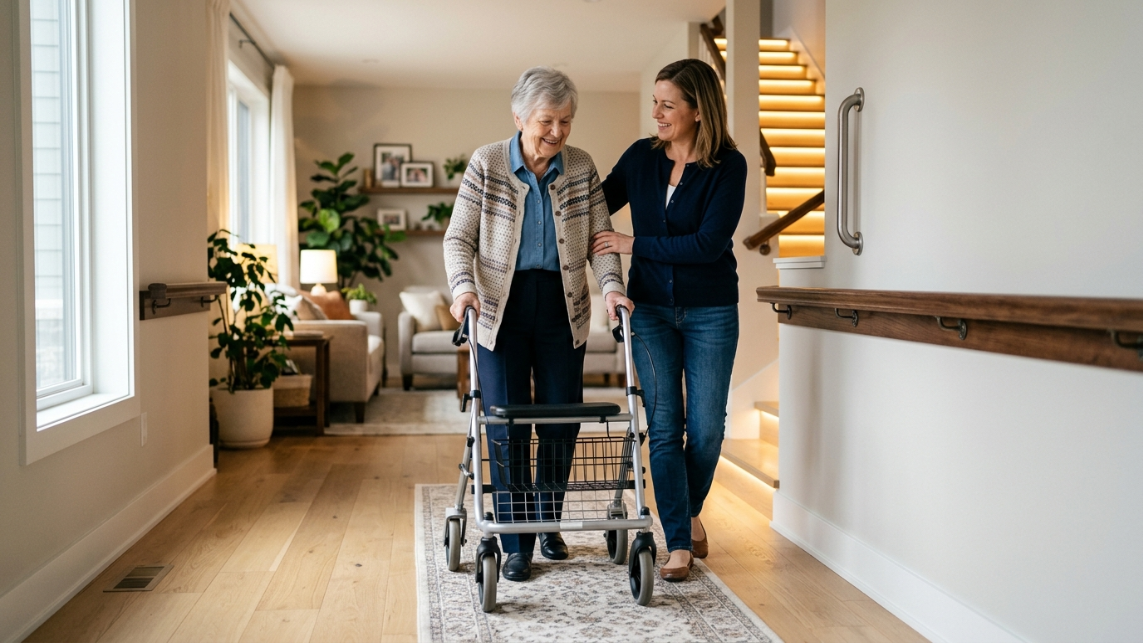
Assistive devices, when properly fitted and used consistently, extend safe movement. Assistive devices that prevent senior falls such as canes, walkers, or reachers should match the individual’s height and strength needs, with professional guidance for optimal selection.
Mobility safety improves through mindful habits such as rising slowly from seated positions, allowing blood pressure to adjust. Good posture and deliberate movements reduce sudden shifts that challenge equilibrium. Installing handrails on both sides of stairs and ensuring secure placement provides reliable support.
Family involvement in practicing these techniques builds comfort and reinforces positive routines without creating dependency.
Fall Prevention for Seniors: Ongoing Awareness and Professional Guidance for Long-Term Safety
Embracing a proactive approach to fall prevention for seniors creates a safer, more independent future for your loved ones. Protecting elderly family members from falls doesn’t require dramatic overhauls, only attention, compassion, and consistent effort. Small, thoughtful changes made over time add up to meaningful protection.
By addressing environmental factors like poor lighting, loose rugs, and cluttered walkways, encouraging suitable physical activity to maintain strength, balance, and flexibility, managing health needs such as medication side effects, vision changes, and blood pressure issues, and choosing supportive tools like nonslip mats, grab bars, raised toilet seats, and properly fitted walkers, families can significantly reduce risks while honoring their loved one’s independence and dignity.
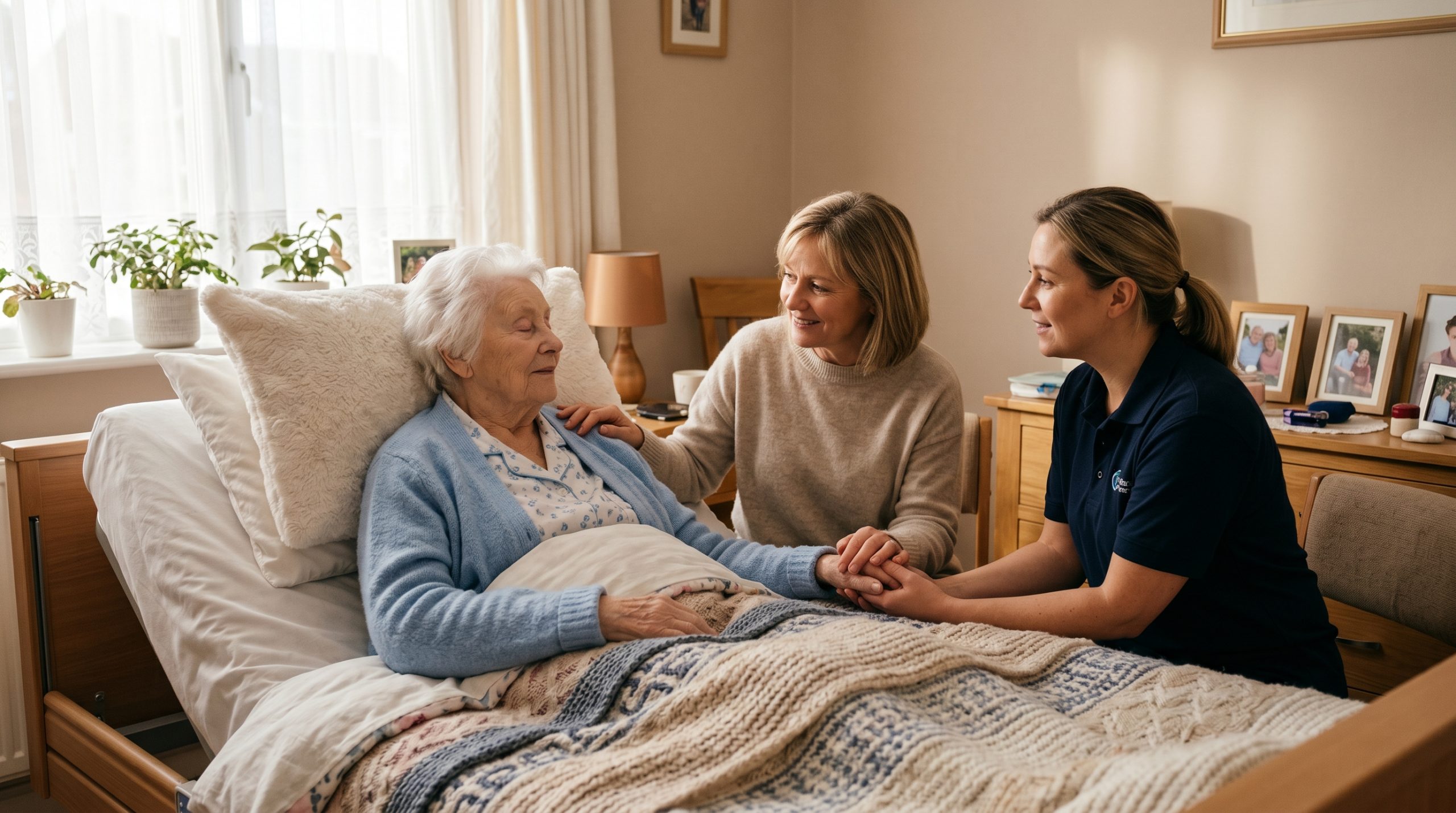
At One Stop Home Care Services, we understand these challenges deeply because we see them every day. We stand ready to support families with compassionate, practical assistance that makes a real difference.
From personal care and domestic help to reliable prescription pickup in Norwalk, CT, we help create safer, more comfortable homes where dignity and security go hand in hand. Our team works closely with you to identify risks and implement solutions that fit your loved one’s unique needs and routines.
Together, we turn worry into empowerment, so seniors experience greater freedom, confidence, and joy every single day. If you’re ready to take the next step, explore home support options in Norwalk, CT.