Talking about hygiene and body changes in aging loved ones isn’t always easy. It’s a subject that makes many families uncomfortable—but it’s also one of the most important conversations we can have. As we age, our bodies change in countless ways. From shifts in skin health to changes in metabolism and body odor, these physical developments can have a huge impact on self-esteem, dignity, and daily quality of life.
When these changes are overlooked, they can lead to emotional distress, medical issues, and tension between caregivers and seniors. That’s why we’re here—to help you navigate these delicate discussions with compassion and understanding.
Whether you’re a family member providing support or a professional in elderly care, knowing why do old people smell differently and how to address it respectfully can make all the difference in someone’s well-being. Let’s break the stigma and talk openly, kindly, and practically about body changes in aging.
Understanding the science behind body odor: why do old people smell different as they age?
It’s not a myth—why do old people smell is a real question with a scientific explanation. The subtle, musty scent sometimes associated with aging is primarily caused by a compound called 2-nonenal. As the body gets older, skin’s natural oils change, antioxidant levels decline, and lipid peroxidation increases. The result? A slightly different natural body odor than in younger years.
This odor doesn’t mean poor hygiene. In fact, many older adults with impeccable grooming routines may still notice a change in their natural scent. These body chemistry shifts are often amplified by medications, reduced bathing frequency, or chronic health issues like diabetes or kidney disease.
In senior care, recognizing this odor as a natural aging process—rather than a cleanliness issue—helps reduce shame. Compassionate caregivers understand this and support their clients in ways that protect their dignity and comfort.
Hygiene Challenges in Aging: How Mobility, Memory, and Mood Affect Cleanliness
Good hygiene can become more difficult as we age—not because older adults stop caring, but because physical and cognitive challenges get in the way. Arthritis, joint stiffness, balance problems, and fatigue can all make bathing or changing clothes harder than it used to be. Add in memory conditions like dementia, and hygiene can quickly become a daily struggle.
Many old people smell different not due to a lack of trying, but due to genuine limitations. Some seniors forget when they last bathed. Others are fearful of falling in the shower. Some feel embarrassed asking for help or resist assistance altogether due to a strong desire for independence.
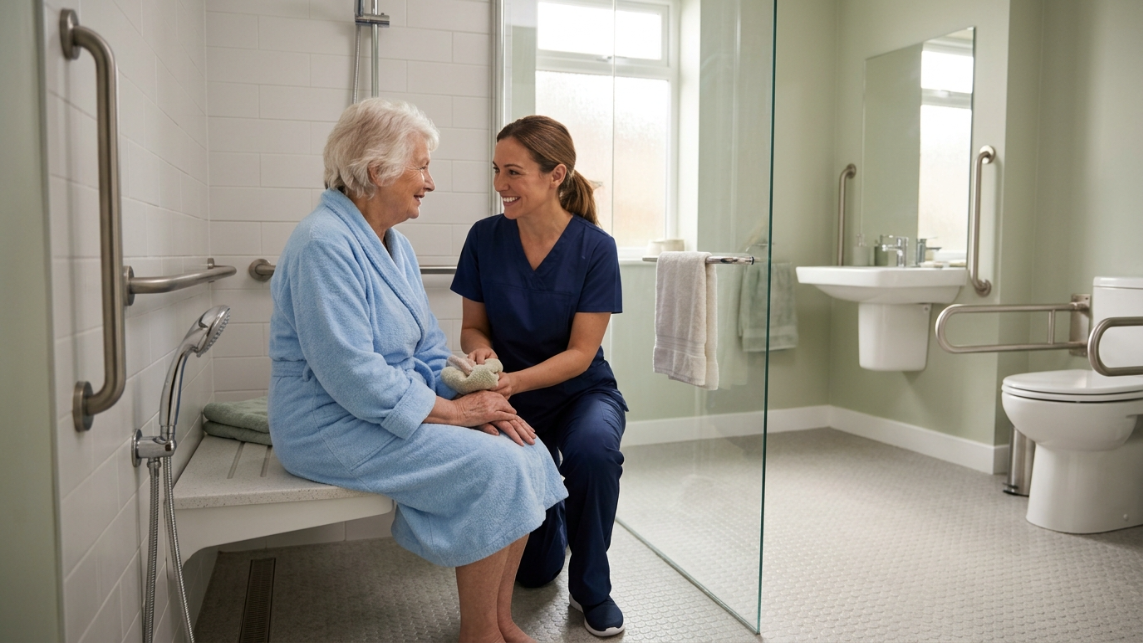
This is where trained elderly care professionals and in-home senior care providers shine. They offer respectful, unobtrusive support tailored to each individual’s needs. They work collaboratively with seniors, maintaining routines and dignity while ensuring hygiene and comfort.
When Odor Signals Something More Serious: Knowing When to Seek Medical Advice
Sometimes, old people smell different because of medical concerns—not just aging. Certain infections, liver or kidney problems, or even uncontrolled diabetes can cause body odors that go beyond natural scent changes.
If you notice sudden or strong shifts in odor, it’s wise to consult a healthcare professional. Odors coming from wounds, the mouth, or urine may indicate underlying infections or other health concerns. In these cases, odor becomes a symptom—not just a hygiene issue.
When providing senior care, it’s essential to approach these situations without shame or blame. A simple conversation, such as “I’ve noticed something different lately—how are you feeling?” can open the door to necessary medical evaluation while preserving trust and dignity.
Maintaining Personal Hygiene in Older Adults: Practical Tips for Caregivers and Loved Ones
Addressing hygiene proactively is one of the best ways to help seniors feel their best. Here are some respectful and effective tips.
Establish a daily routine
Predictability helps. Scheduled hygiene tasks feel less invasive when they’re part of a consistent day.
Choose the right products
Unscented, gentle soaps and non-drying body washes protect sensitive skin and reduce odor without irritation.
Consider bathing alternatives
On tough days, no-rinse bathing wipes or sponge baths can bridge the gap.
Respect privacy
Even when help is needed, maintaining boundaries during hygiene tasks is vital.
Use protective wear discreetly
Adult briefs or pads can reduce odor concerns when incontinence is present—but they must be changed often to remain effective.
Empower independence
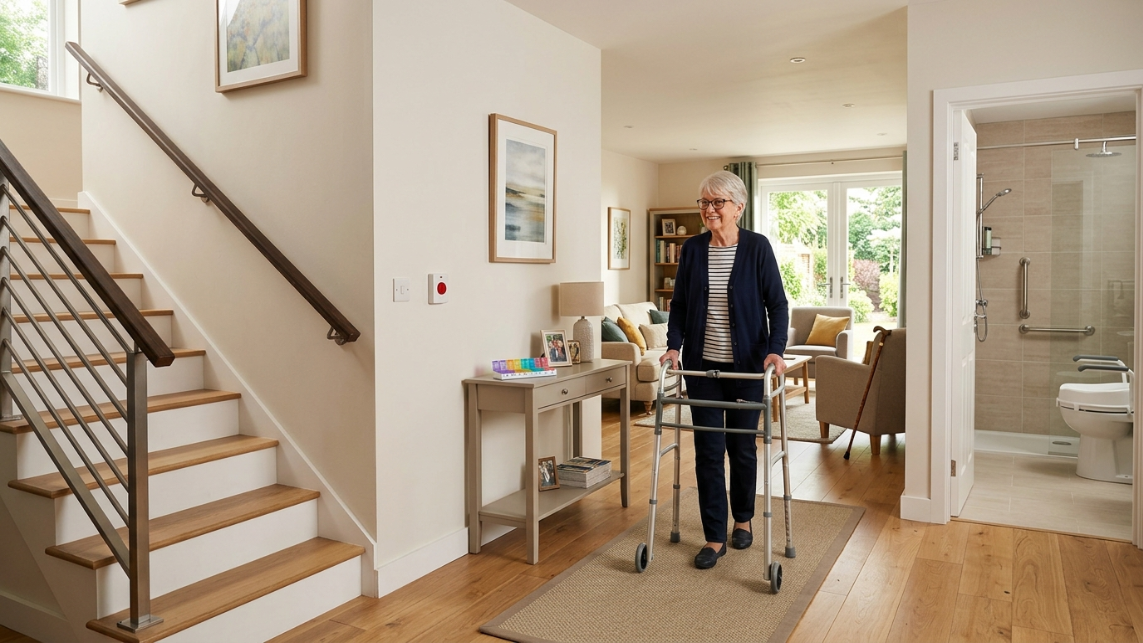
Install grab bars, walk-in tubs, and easy-grip handles in the bathroom to encourage solo bathing when possible.
How Companion Care Supports Hygiene and Dignity in Elderly Care
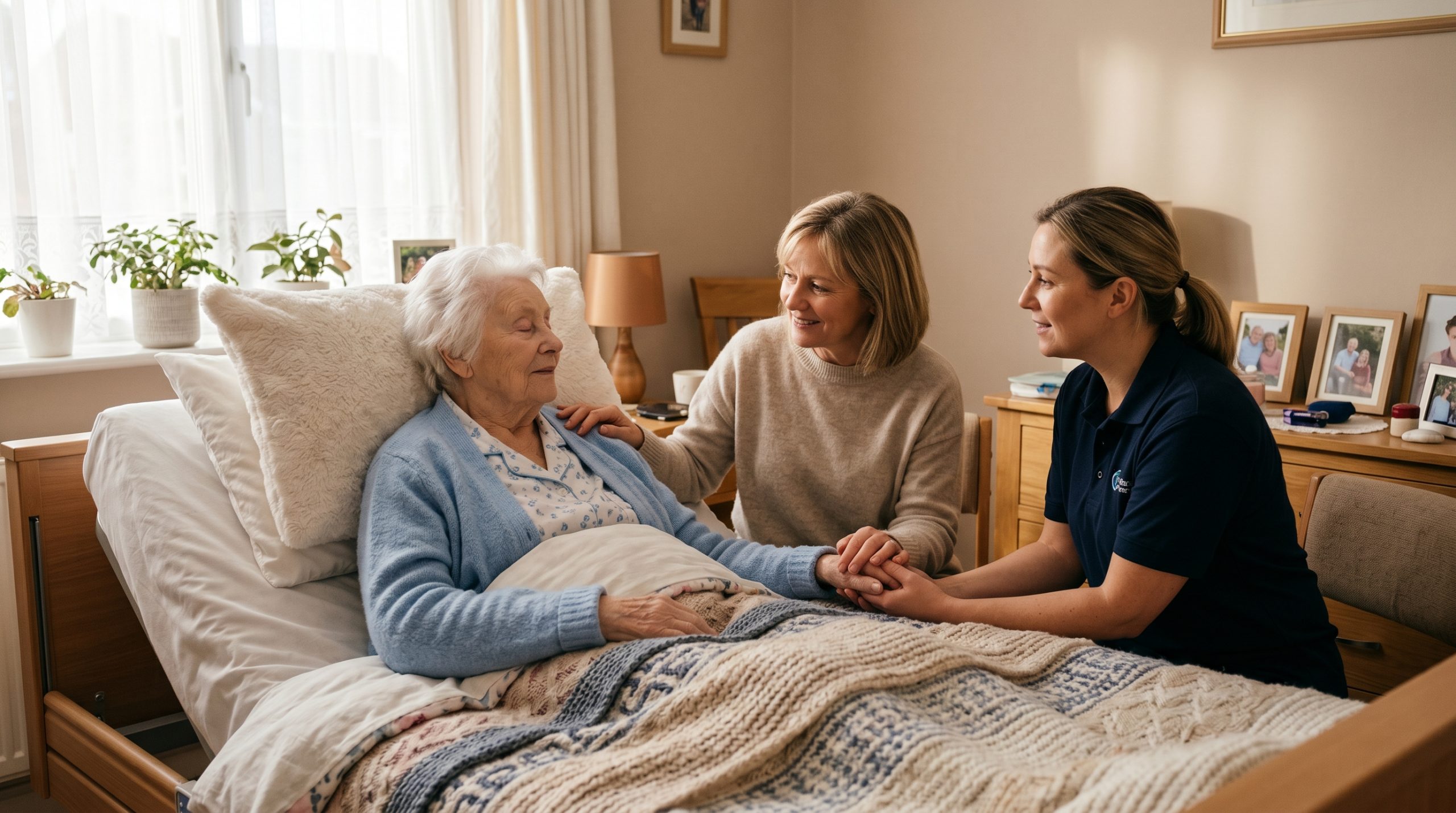
One of the greatest benefits of in-home elderly care is the ability to provide support in a familiar, respectful, and private setting. Companion caregivers build trusting relationships over time, making conversations about hygiene easier and less stressful for everyone involved.
Trained caregivers don’t just help with hygiene—they also offer emotional companionship, routine reminders, and motivation. This can be especially helpful for seniors who are feeling isolated or struggling with depression, which often leads to neglecting hygiene. A trusted caregiver can gently encourage hygiene routines, assist where needed, and ensure the older adult feels heard and respected.
Additionally, services like domestic help and prescription pickup relieve pressure from families and empower seniors to stay clean, comfortable, and confident in their own homes.
FAQs: Let’s Talk About Hygiene and Aging in a Real, Honest Way
Why do older people smell more than younger adults, even when clean?
It’s not about hygiene—it’s about biology. As we age, our skin chemistry changes, and compounds like 2-nonenal naturally form. It’s completely normal and not a sign of poor cleanliness.
How can I tell if an elderly loved one needs help with hygiene?
Look for signs like wearing the same clothes daily, unusual odors, or avoiding social activities. Gently ask how they’re managing their routine and if they’d like assistance.
Is it okay to talk to an old person about their hygiene?
Yes, but be gentle and kind. Choose a private setting and express your care rather than criticism. Try: “I want you to feel your best—can we talk about ways I can support you?”