Watching a loved one struggle with pneumonia can be deeply emotional, especially when they’re an aging parent or grandparent. The cough, fatigue, and shortness of breath that once seemed mild can quickly escalate, leaving families scared and searching for answers.
In elderly care, pneumonia isn’t just a passing illness—it can become a life-threatening condition if not closely monitored. But amidst the worry, there’s hope. There comes a moment during recovery when you begin to notice subtle yet powerful shifts—the breathing eases, the energy returns, and you start asking yourself, “Is this a sign of healing?”
Understanding the signs that pneumonia is improving can bring relief, direction, and peace of mind. In this blog, we’ll walk you through the key symptoms to look for as seniors recover, the timeline for healing, and when you should still be cautious.
Whether you’re a caregiver or a concerned family member, you’ll find comfort in knowing what to expect—and how to support your loved one through recovery.
Understanding the Basics: Why Recognizing the Early Signs That Pneumonia Is Improving Matters for seniors
In younger people, pneumonia can feel like a severe cold or flu. But for an old person, especially someone over the age of 65, it can be a different story entirely. Their immune systems are typically weaker, and many have pre-existing conditions like diabetes, heart disease, or COPD that can complicate recovery. This is why senior care requires a more vigilant approach to monitoring illnesses like pneumonia.
Symptoms such as fever, coughing, chest pain, or confusion can become overwhelming and even lead to hospitalization. For this reason, recognizing when your loved one is on the mend is just as important as spotting the warning signs in the first place.
Key Physical and Emotional Signs That Pneumonia Is Improving In Seniors
As your loved one begins to heal, you’ll notice some clear improvements that show their body is responding to treatment. Here are the most common and encouraging signs that pneumonia is improving.
Reduced fever or chills
A strong indicator that the infection is subsiding.
Less frequent or less severe coughing
Cough may still linger, but it’s less intense.
Improved breathing
Less labored, with fewer instances of shortness of breath.
Better energy and alertness
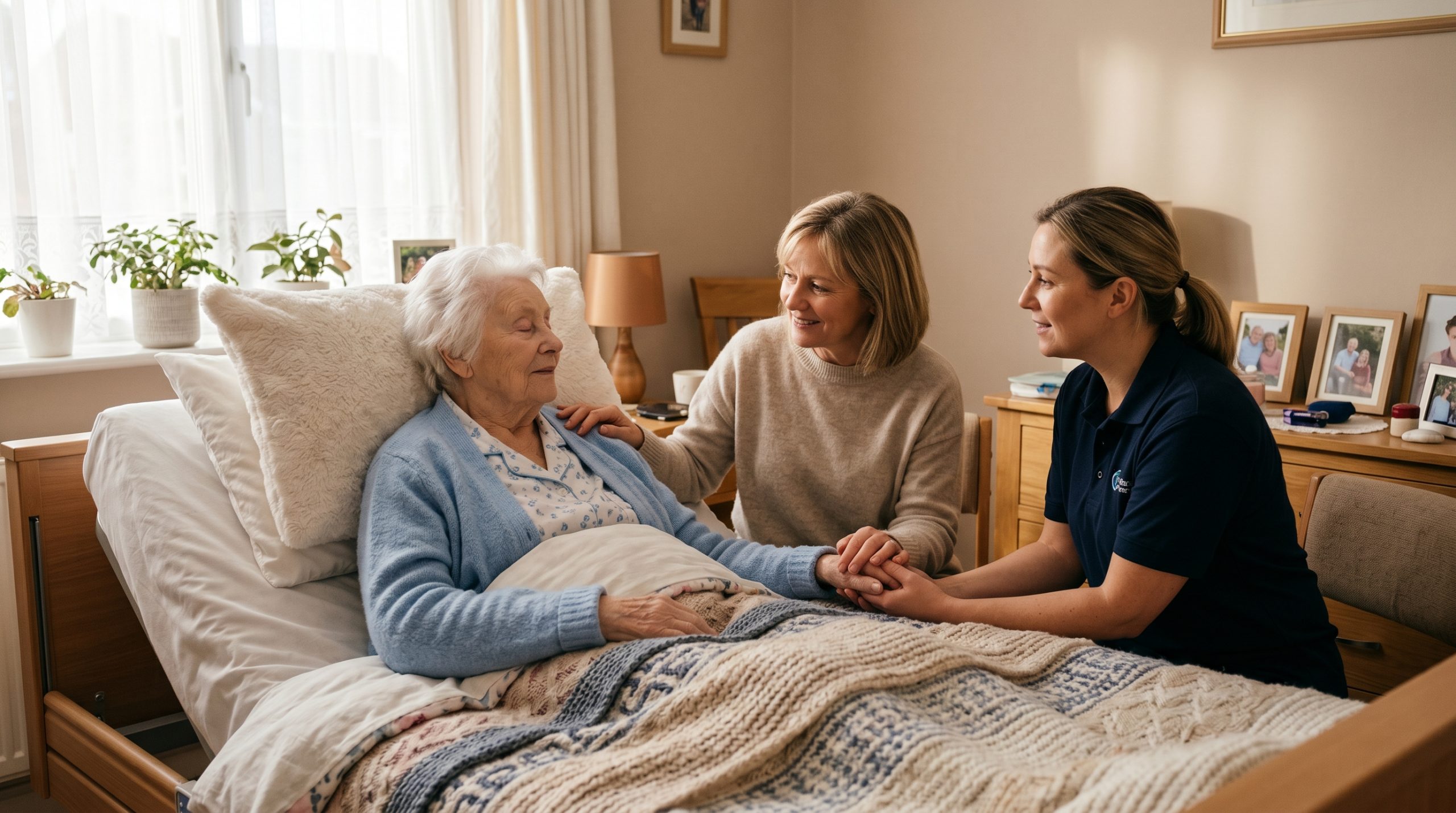
The senior may begin to feel more like themselves—talking more, sitting up, or asking for food.
Appetite returns
Eating is a strong sign of improved energy and recovery.
Normal oxygen levels
If you’ve been monitoring oxygen saturation, you’ll see it stabilizing above 92%, which is a reassuring number in elderly care.
From Confusion to Clarity: Why Mental Alertness Matters In Pneumonia Recovery
It’s not just physical symptoms that matter. Mental clarity is one of the most overlooked yet vital signs that pneumonia is improving. Pneumonia in older adults often leads to confusion, disorientation, or memory problems. So when you notice your loved one recognizing family members again, engaging in conversation, or simply appearing more “with it,” that’s a powerful signal that healing is underway.
Senior care experts emphasize that regaining mental sharpness is as important as improving physical health. When a senior starts showing more interest in their surroundings, following conversations, or watching TV again—it’s a sign the worst might be behind them.
The Importance of Mobility: When Movement Signals Healing In Elderly Care
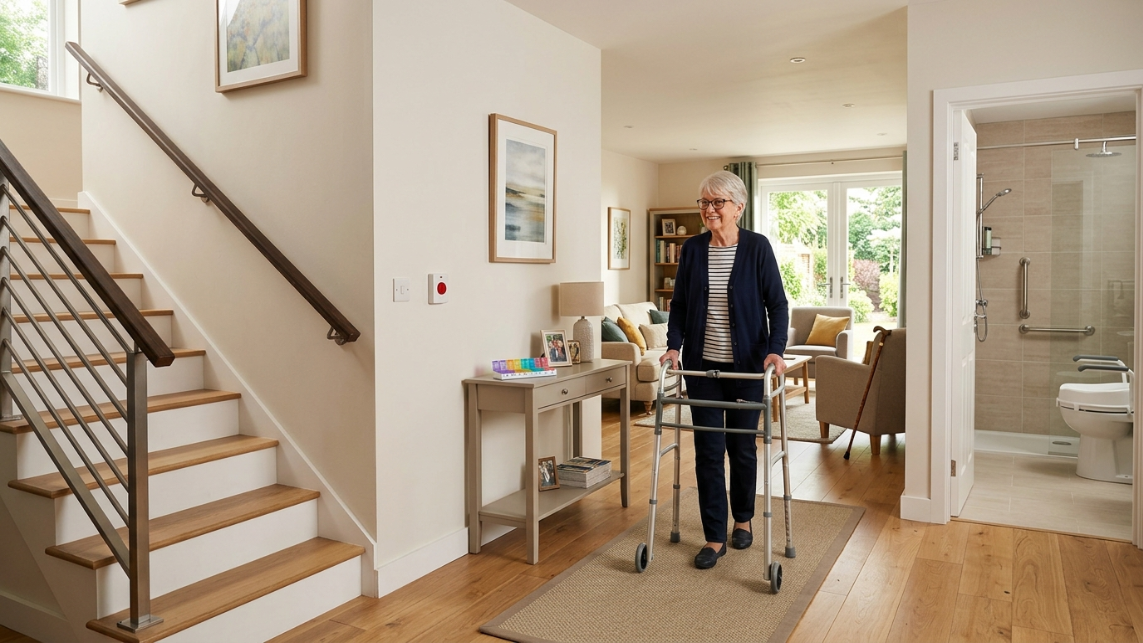
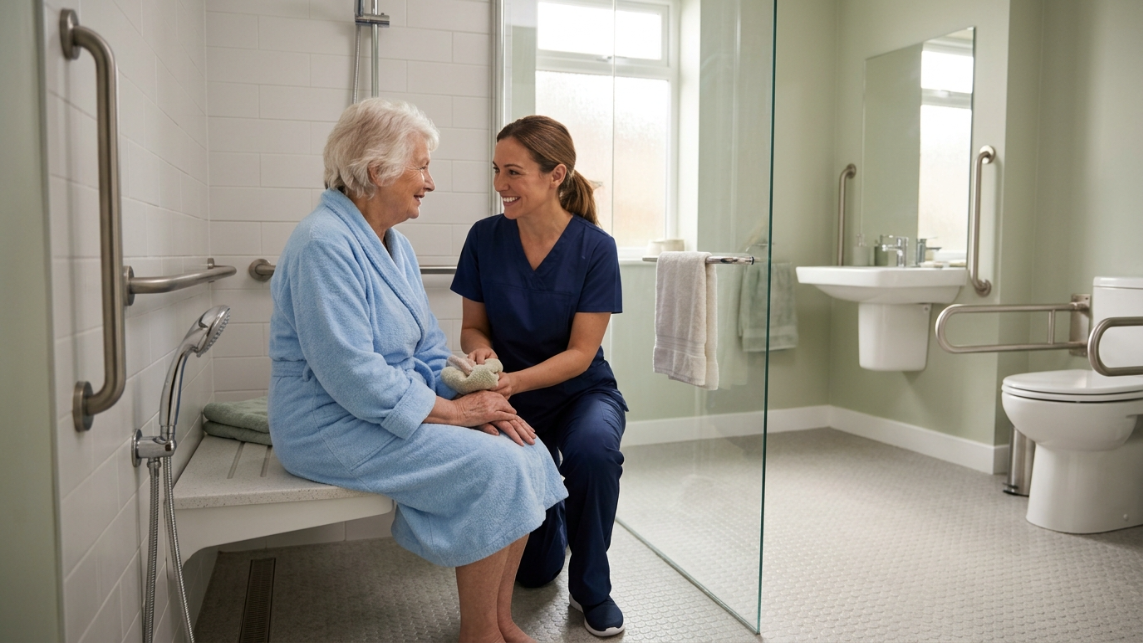
Another key sign of recovery is the return of mobility. When a senior starts moving from the bed to the chair more easily or asks to walk to the bathroom, it suggests their strength is returning. Keep in mind that pneumonia is exhausting. Just walking across a room can feel like a marathon in the early days. So, any increase in mobility is worth celebrating.
Physical therapy may be recommended in some cases to help older adults rebuild their stamina. Make sure to support your loved one in staying active without pushing too hard. Gentle encouragement goes a long way in elderly care.
Time Matters: Understanding the Typical Recovery Timeline in Senior Care
So, how long does it take to see the signs that pneumonia is improving? While every case is different, most seniors start feeling a bit better after 5–7 days on antibiotics—if the pneumonia is bacterial. For viral pneumonia, recovery might take longer, and treatment focuses more on managing symptoms.
By weeks two and three, many seniors will begin returning to their normal routines, though fatigue may linger. It’s also normal for a mild cough to persist for several weeks. Just keep an eye out for any backsliding symptoms, such as a returning fever or worsening cough.
When to Worry Again: Setbacks That Shouldn’t Be Ignored In Elderly Pneumonia
Even if things seem to be improving, it’s important to stay cautious. Some signs that recovery may be stalling—or worse, that complications are developing—include
- Fever returning after it had gone away
- Increased difficulty breathing
- Bluish lips or fingertips
- Chest pain that gets worse
- Confusion or unresponsiveness
In senior care, it’s always better to act early. Call your loved one’s doctor or return to the hospital if any of these warning signs appear. Remember, complications like sepsis or pleural effusion can set in quickly.
FAQs: Answering Common Concerns about Pneumonia Recovery in the Elderly
Why do old people take longer to recover from pneumonia?
Because aging weakens the immune system and lungs, it takes more time and energy for an old person to fight off infection. Recovery can be slow but steady.
How do I know if my elderly parent is really getting better?
Look for key signs that pneumonia is improving—lower fever, easier breathing, improved appetite, and mental clarity. Small wins matter.
Can pneumonia come back after improvement?
Yes. That’s why it’s crucial to monitor closely even after discharge. Follow-up care and senior care support reduce the chances of relapse.
signs-that-pneumonia-is-moving-in-order-adultsHealing Takes Time: Recognizing the Journey as Signs That Pneumonia Is Improving In Seniors Appear
Watching a loved one recover from pneumonia isn’t easy, but knowing what to look for can provide hope and direction. From physical strength to mental clarity, each positive step matters in the journey back to wellness. These signs that pneumonia is improving are not just medical milestones—they’re emotional moments of relief for families deeply invested in their loved one’s well-being.
If you’re navigating recovery with your parent or grandparent, consider whether in-home elderly care can offer that extra layer of support. Personalized, compassionate assistance—from medication reminders to help with mobility—can make all the difference. At the end of the day, it’s about giving our seniors the dignity, comfort, and care they deserve.
For more guidance, explore our related post on how to manage respiratory conditions in elderly care or contact our team in Connecticut for customized senior care services tailored to your loved one’s recovery.