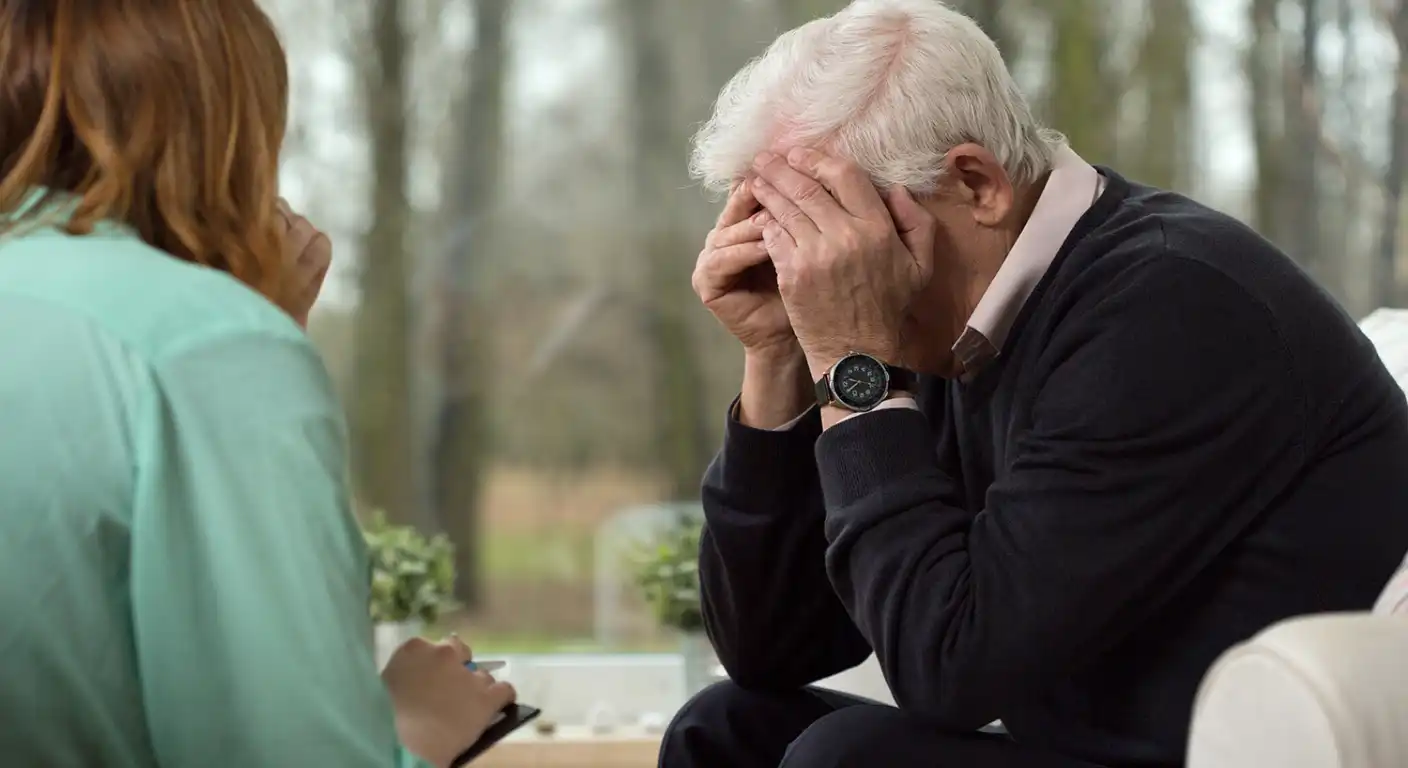
We all forget things sometimes—a misplaced set of keys, a forgotten name, or a missed appointment. But when those memory lapses start to happen more frequently or come with confusion and disorientation, it may be time to look closer. Dementia doesn’t happen overnight. It often begins subtly, with small signs that are easy to dismiss as normal aging.
Yet recognizing those early indicators can make an incredible difference in managing the condition and improving quality of life. Families often struggle to know when to worry or how to respond. It’s not just about memory loss—it’s about changes in thinking, emotions, and daily function.
We understand how emotional and overwhelming this stage can be. That’s why awareness and compassion go hand in hand. Let’s explore the early signs of dementia in elderly loved ones—and how timely attention can make all the difference.
Understanding The Difference Between Memory Loss Vs Dementia
As people age, forgetfulness is common. But memory loss vs dementia is an important distinction. Occasional forgetfulness—like forgetting where you left your glasses—can be part of normal aging. Dementia, however, affects reasoning, communication, and the ability to handle everyday tasks. It’s not just about losing memories; it’s about the brain struggling to process new information or recall familiar routines.
Early stages often involve mild confusion, difficulty completing familiar tasks, or losing track of time and place. Some may show changes in mood, judgment, or language. Families might notice loved ones asking the same question repeatedly or mixing up words. These patterns signal potential cognitive decline indicators that shouldn’t be ignored.
In some cases, sleep disturbances as early sign can also indicate neurological changes. When paired with increased irritability or anxiety, these signs point toward more than simple forgetfulness—they suggest the brain is signaling deeper distress.
Recognizing Common Dementia Symptoms and Behavioral Changes in Seniors
Spotting dementia symptoms early is crucial because they develop gradually. It starts with small moments that seem harmless—getting lost in familiar places, mismanaging bills, or struggling to follow conversations. Over time, these patterns grow more noticeable and disruptive.
Mood changes are also significant. Seniors who once enjoyed socializing may withdraw or show frustration over simple mistakes. Emotional sensitivity, paranoia, or confusion about daily routines can all point to mild cognitive impairment. It’s important not to overlook these as “just aging.”
Families should pay attention to any decline in problem-solving or self-care. For instance, wearing the same clothes repeatedly, neglecting hygiene, or forgetting meals. These changes suggest it’s time for comprehensive health monitoring. With timely intervention, doctors can assess the situation, rule out reversible causes like vitamin deficiencies, and recommend support strategies before symptoms worsen.
Alzheimer’s Warning Signs: What To Look for and When to Act
While dementia is an umbrella term, Alzheimer’s disease is the most common type. Understanding Alzheimer’s warning signs helps families act before the condition progresses too far. The most telling signs often involve language difficulties, repetitive speech, and confusion about familiar relationships or locations.
Caregivers might notice personality shifts—someone gentle becoming irritable, or someone confident becoming unusually withdrawn. In other cases, sleep disturbances as early sign appear before cognitive decline becomes obvious. Restlessness, wandering at night, or reversed sleep cycles often point to changes in brain chemistry linked to Alzheimer’s.
This is also when dementia screening becomes essential. A healthcare provider may perform memory tests, review medications, and assess mental function to confirm whether these symptoms fall within normal aging or early dementia. The goal isn’t just diagnosis—it’s planning. The earlier families seek guidance, the more options they have for care, safety, and emotional support.
Normal Aging Vs Dementia: Knowing When to Seek Professional Help
It’s easy to dismiss forgetfulness as a natural part of getting older, but understanding normal aging vs dementia is vital. Occasional forgetfulness is one thing, but consistent confusion or disorientation is another. When a loved one forgets familiar names, gets lost in known places, or struggles with language comprehension, it’s time to take note.
At this stage, families should look for patterns. Are these behaviors becoming more frequent? Are they interfering with independence or social life?
If so, it may be time for specialized dementia care services. These services combine professional expertise with compassion, ensuring that seniors get the help they need without feeling judged or isolated.
Many caregivers also pursue dementia care training, which teaches them how to handle behavioral changes and communication challenges with empathy. Knowledge is power—and in dementia care, it’s also the foundation of patience and respect.
Supporting Loved Ones Through Early Stages of Dementia with Compassion and Care
Early-stage dementia doesn’t have to mean losing independence immediately. With understanding, structure, and gentle support, many seniors can continue to live meaningfully. This begins with creating routines, simplifying daily tasks, and maintaining engagement in familiar activities.
Loved ones should encourage brain-stimulating habits—like puzzles, conversations, or listening to favorite music. These activities help preserve neural pathways and promote emotional stability. At home, keeping surroundings consistent and free of clutter can prevent confusion and accidents.
Professional caregivers play a huge role in this transition. They offer structure, companionship, and reliable supervision—all while respecting dignity. From medication reminders to cognitive engagement exercises, their goal is to keep seniors safe and confident. That’s why services like specialized dementia care services exist—to provide both families and seniors with peace of mind knowing their care is thoughtful, personal, and attentive.
When Memory Changes Signal Something More: Seeking Early Help Matters
So how do you know when to see doctor memory concerns? The answer lies in persistence and pattern. If memory lapses or confusion grow consistent or cause distress, it’s time for medical evaluation. Early detection allows for better management and lifestyle adjustments that can slow progression.
Healthcare providers may perform cognitive tests, brain imaging, or medication reviews. They’ll also assess whether physical factors like medication side effects or depression are contributing. Identifying the cause early ensures seniors receive care that fits their exact needs.
In this process, family support makes all the difference. Staying calm, patient, and observant helps loved ones navigate uncertainty without fear. It’s also important to remember that a diagnosis doesn’t define a person—it simply offers clarity. With comprehensive health monitoring and empathetic guidance, families can focus on quality of life rather than fear of decline.
Early Detection Is the First Step Toward Hope and Healing
Recognizing the early signs of dementia in elderly loved ones can be emotionally difficult, but it’s also empowering. The sooner you act, the more opportunities there are to create comfort, safety, and stability. Early awareness leads to better care planning, medication management, and emotional support for both seniors and their families.
No one should face dementia alone. Whether you’re seeking answers, reassurance, or hands-on care, compassionate professionals can make all the difference. Families can rely on specialized dementia care services and caregivers who bring patience, empathy, and respect to every moment.
Early detection matters. One Stop Home Care Services provides specialized dementia care with caregivers trained in cognitive support techniques. Schedule a compassionate consultation today.