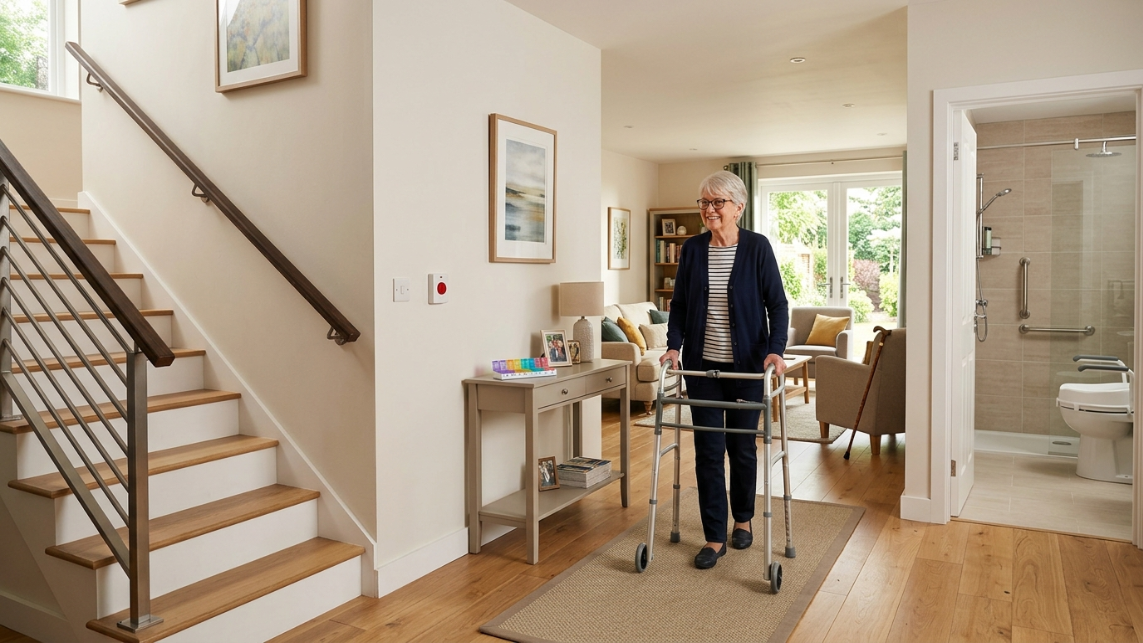
Caring for a loved one is a beautiful act of love—but it can also be deeply exhausting. Whether you’re supporting an aging parent with daily needs or providing round-the-clock attention to a spouse, being a caregiver often means putting your own needs last.
That’s where respite care steps in—a lifeline for family caregivers who need time to rest, recharge, or simply take a breather without feeling guilty. But one question we often hear is: How many respite hours are actually available to families, and how does it all work?
This blog is your go-to guide for understanding respite care, breaking down the benefits, how many respite hours you can use, and how it supports both caregivers and loved ones. We’ll explore senior care, personalized options for care at home, and why planning ahead makes all the difference in maintaining emotional and physical well-being. Let’s dive in.
Understanding What Respite Care Is and Why Families Desperately Need Their Allotted Respite Hours
Respite care is temporary care provided to an elderly or disabled individual, giving their primary caregiver a much-needed break. Whether it’s for a few hours during the day or several days in a row, respite care ensures continuity in elderly care without sacrificing safety, dignity, or comfort.
Many families who provide care at home feel reluctant to ask for help. They worry about disrupting routines or fear their loved one won’t adjust well. But truthfully, burnout is real. According to the National Alliance for Caregiving, over 60% of family caregivers report moderate to high levels of stress. That’s why respite care is not a luxury—it’s a necessity.
Professional caregivers are trained to provide compassionate support while you rest, attend a family event, run errands, or simply take a walk in peace. Everyone wins—your loved one gets exceptional care, and you get to return refreshed.
How many respite hours are typically offered and who determines the limit?
Now, let’s answer the big question: how many respite hours can families actually access? The answer isn’t always one-size-fits-all. The number of available hours depends on several factors—like the state you live in, your financial situation, and the organization or agency you’re working with.
For example, Medicaid waiver programs and veterans’ benefits may cover anywhere from 40 to 240 respite hours per year, while private pay arrangements give families the freedom to schedule as many hours as needed. In some states, nonprofit agencies provide free or low-cost senior care relief services, especially for families in crisis.
It’s best to work with a respite care provider who can guide you through your options, assess your unique needs, and help you apply for available benefits. Many reputable providers offer a free consultation to get you started.
Why Using Your Respite Hours Is Not Selfish—it’s smart and essential for Long-Term Caregiving
One of the most common misconceptions among family caregivers is that using respite hours means you’re “slacking” or “giving up.” Nothing could be further from the truth. Caring for a loved one is a marathon, not a sprint—and just like any athlete, you need rest in between.
Ignoring your own needs can result in physical fatigue, depression, anxiety, and even resentment. Respite care helps prevent those outcomes by ensuring care at home continues smoothly while you recharge.
Here’s a simple analogy: if your phone is always on 1%, it eventually shuts down. The same goes for caregivers. Taking regular breaks helps you show up fully present, more compassionate, and more patient. That’s not selfish—that’s responsible caregiving.
Exploring the Many Ways Respite Care Supports Independent Living For Seniors
Respite care isn’t just about the caregiver—it also supports independence and dignity for your loved one. The beauty of respite care is that it can be fully customized to your family’s routine. Services can include
- Personal care (bathing, grooming, dressing)
- Meal preparation and feeding
- Mobility assistance
- Medication reminders
- Companionship and engagement
- Transportation and errands
Whether you need support once a week or a full weekend away, qualified professionals can step in and provide reliable elderly care that allows your loved one to age gracefully and safely at home.
At Always Best Care, we specialize in creating flexible care plans that fit your schedule and your loved one’s needs. That’s the heart of quality care at home—tailored support, compassionate caregivers, and peace of mind for everyone involved.
How to Find and Choose the Right Provider for Your Respite Hours
Choosing the right respite care provider is just as important as deciding to use it in the first place. Start by identifying your loved one’s needs—do they need help with mobility? Are they living with dementia or Alzheimer’s? Do they require overnight assistance?
Look for a provider with
- Certified and trained staff
- Background checks and references
- Flexible scheduling options
- Transparent pricing and billing
- Excellent client testimonials
Always Best Care locations across the East Coast, including Always Best Care Milford CT, Always Best Care Raleigh NC, and Always Best Care Belmont MA, have earned praise for compassionate, professional, and trustworthy care. Their teams work closely with families to create meaningful, reliable caregiving partnerships.
You can also explore services offered by Always Best Care Marlton NJ, Always Best Care Delaware, and Always Best Care Worcester MA, all known for delivering outstanding senior care that respects the unique needs of each family.
Frequently Asked Questions about Respite Care and Respite Hours
How often can I use respite hours through Medicaid or VA benefits?
Medicaid waivers typically offer 120 to 240 respite hours per year, depending on your state and eligibility. Veterans can access respite care through the VA’s Aid and Attendance Benefit, which often covers up to 30 days annually.
Can respite care be provided overnight or just during the day?
Absolutely. Respite care can be scheduled during the day, evening, or even for multiple overnights. It all depends on your needs and the provider’s availability.
Is respite care only for the elderly, or can younger individuals with disabilities use it too?
While commonly used in elderly care, respite care is also available for younger adults with disabilities or chronic conditions. It’s about giving the primary caregiver a break—regardless of age.
Making the Most of Your Respite Hours: A Lifeline for Families and Caregivers
At the heart of caregiving is love—but love alone isn’t always enough to sustain the physical and emotional demands of round-the-clock support. Respite care offers a bridge between your commitment and your capacity, providing a safe and compassionate way to take care of yourself while still caring for your loved one. Whether you’re just starting out or already knee-deep in daily responsibilities, understanding your respite hours can be a game-changer.
From Always Best Care Milford CT to Always Best Care Belmont MA, families across the East Coast are discovering the peace of mind that comes with flexible, professional, and reliable care at home. Don’t wait for burnout to knock on your door—reach out to a qualified respite care provider today, and take the first step toward balance, well-being, and quality time with your loved ones that isn’t clouded by exhaustion.
Because even superheroes need rest. And you, dear caregiver, are one of them.