Navigating care options for a loved one is a deeply personal journey—one filled with love, worry, and hope. When the time comes, families want more than just services; they want peace of mind, dignity, and personalized attention. That’s why understanding private care options matters.
Whether you’re exploring care at home, home health care, or traditional nursing, choosing what fits your needs best is vital. For private care clients, this decision goes beyond scheduling caregivers—it’s about matching services to real-life preferences.
Some seniors thrive with a compassionate companion to share daily conversations, while others need skilled medical support or help around the house. This guide offers clarity, practical tips, and emotional insight to help families choose in-home care that truly honors their loved one’s needs.
Let’s embark on this journey together, ensuring your loved one’s golden years are safe, supported, and filled with respect.
What “Private Care Clients” Really Means—and Why It Matters For Your Family
When you hear “private care clients,” think of individuals receiving personalized care services tailored to their unique lifestyles in the comfort of their home. This isn’t a one-size-fits-all package—it’s custom support.
- In-home caregivers can assist with daily tasks like bathing, dressing, meal prep, and light housekeeping.
- Home health care adds a layer of medical oversight—think medication management, wound care, or therapy sessions.
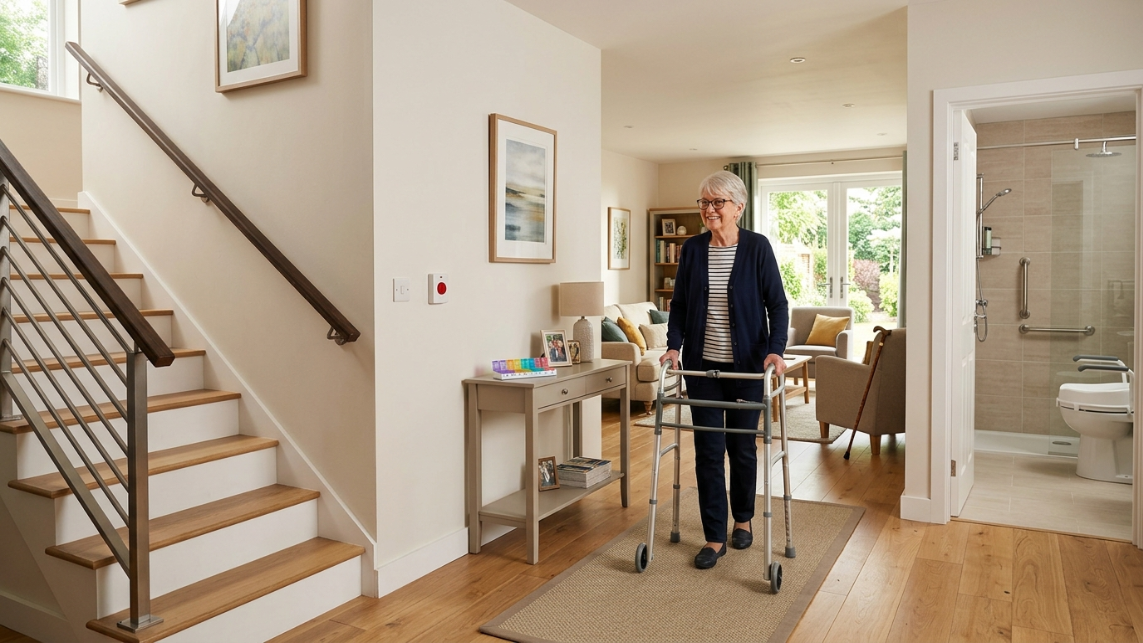
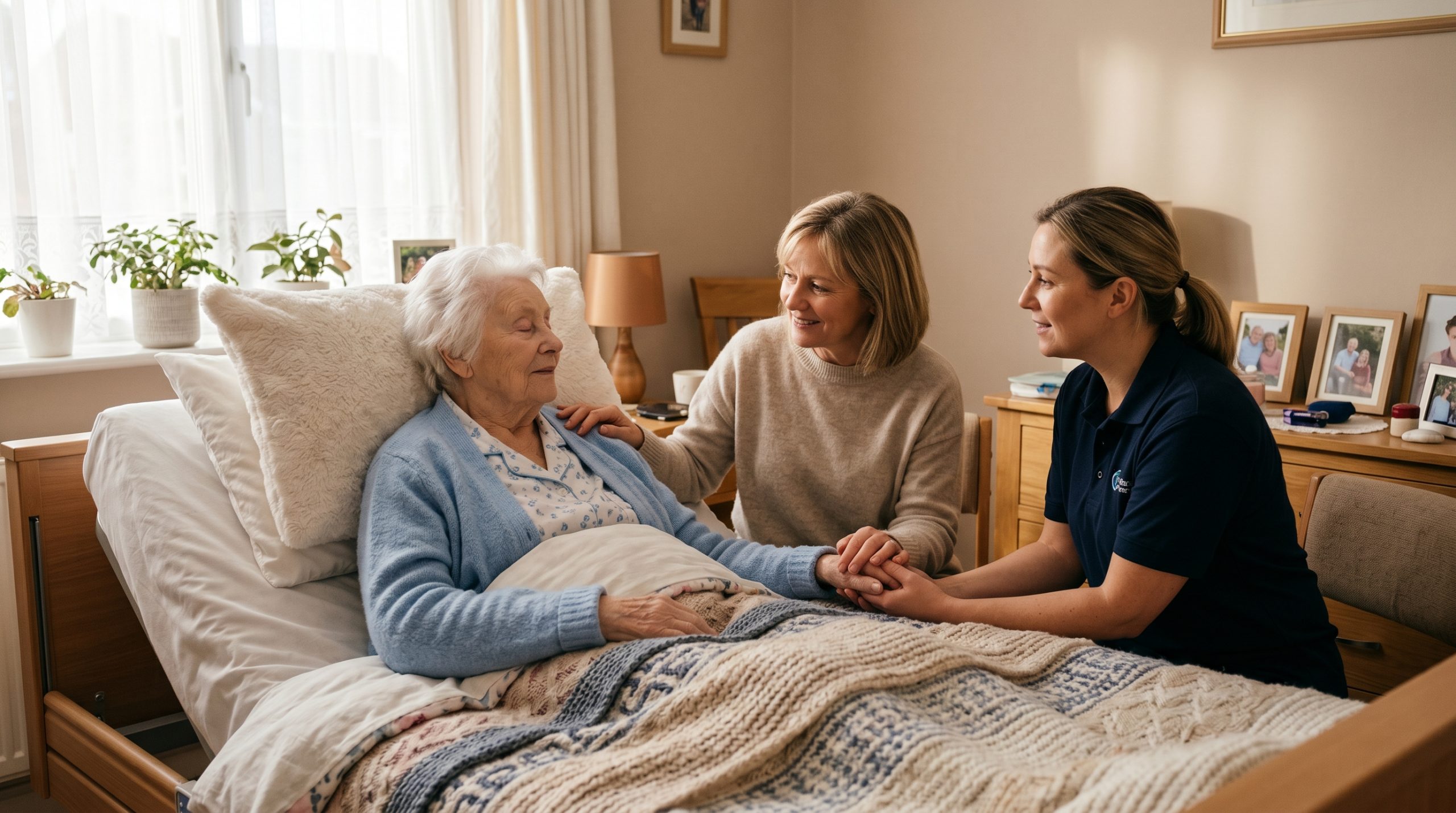
- Care at home can also focus on companionship, mobility help, or end-of-life comfort.
For families, understanding this distinction helps set clear expectations. If your loved one only needs basic assistance, a companion or homemaker service may suffice. But if medical support is required, a certified home health care provider is the right choice.
Knowing exactly what type of private care your loved one needs ensures safety and saves time and money.
How to evaluate caregivers and agencies for private care clients?
Choosing the right agency is equally important as choosing the level of care. Keep these considerations in mind.
Certification and Licensing
Ensure your caregiver has up-to-date certifications—CPR, medication handling, or nursing license if required.
Background Checks
For home environments, trust is paramount. Agencies should perform criminal and reference checks regularly.
Care Plans and Assessments
A reputable provider creates customized care plans based on initial assessments and updates. A welcome difference from a rigid schedule.
Consistency and Compatibility
Especially for private care clients, consistency in caregivers helps build trust and understanding.
Availability of Emergency Support
Does the agency offer 24/7 on-call support? Can caregivers respond to late-night issues?
Insurance and Liability
Confirm the agency has proper insurance and does not leave you at risk.
Balancing Independence and Care: The Emotional Side of Private Care At Home
Many seniors fear losing independence when accepting help—especially familiar individuals dropping in daily. As you navigate private care, keep emotional well-being at the core:
- Involve Your Loved One
Include them in decisions about routines, caregivers, and tasks. Autonomy matters. - Gradual Transition
Start with a few hours a week rather than full-time. It gives seniors space to adjust. - Respectful Routines
Caregivers should follow the senior’s preferred schedules—waking, mealtime, hobbies—to honor their life rhythm. - Companionship and Conversation
Non-medical in-home care providers can become friends, offering social connection, laughter, and purpose.
Navigating Costs and Coverage for Private Care Clients
Cost is often a sticking point. Understanding options can ease the process:
- Private Pay vs. Insurance
Non-medical in-home care is typically private pay, while skilled home health care may be covered partially or fully by Medicare/insurance. - Veteran Benefits & Long-Term Care Policies
Some families may be eligible for VA aid or LTC insurance. - Tax Deductions
Under certain conditions, a portion of home care expenses may be tax-deductible as medical costs. - Sliding Scale Options
Some agencies offer flexible payment plans, especially for companion care hours.
By comparing quotes and exploring benefits, you can maximize support while managing costs.
FAQs for Families Considering Private Care At Home
How do private care clients find reliable in-home support?
Look for licensed agencies with personalized care plans, consistent caregivers, and full background checks.
What’s the difference between care at home and home health care?
Care at home focuses on daily tasks and companionship, while home health care includes medical services by licensed professionals.
Can my loved one still live alone with private care?
Yes—home care allows seniors to stay in their homes while receiving regular support based on their needs.
Making the Right Choice for Private Care: Support, Comfort, and Confidence for Your Loved Ones
Exploring private care options is more than finding help—it’s about choosing a partner in your loved one’s journey. Whether you’re considering care at home, home health care, or a mix of both, understanding the full landscape helps you find the right path. For private care clients, this means personalized plans, trusted caregivers, and support systems rooted in dignity and respect.
At One Stop Home Care, we see every senior in their home—not just their needs. Our compassionate team focuses on more than just tasks; we aim to build trust, spark joy, and ensure safety. When families take the time to assess services, evaluate providers, monitor changes, and adjust care plans, outcomes often exceed expectations: independence is preserved, burdens are eased, and connections strengthen.
Because at the heart of every care plan is a person with a story, memories, and meaning. Your thoughtful guidance today can make all the difference in your loved one’s tomorrow.