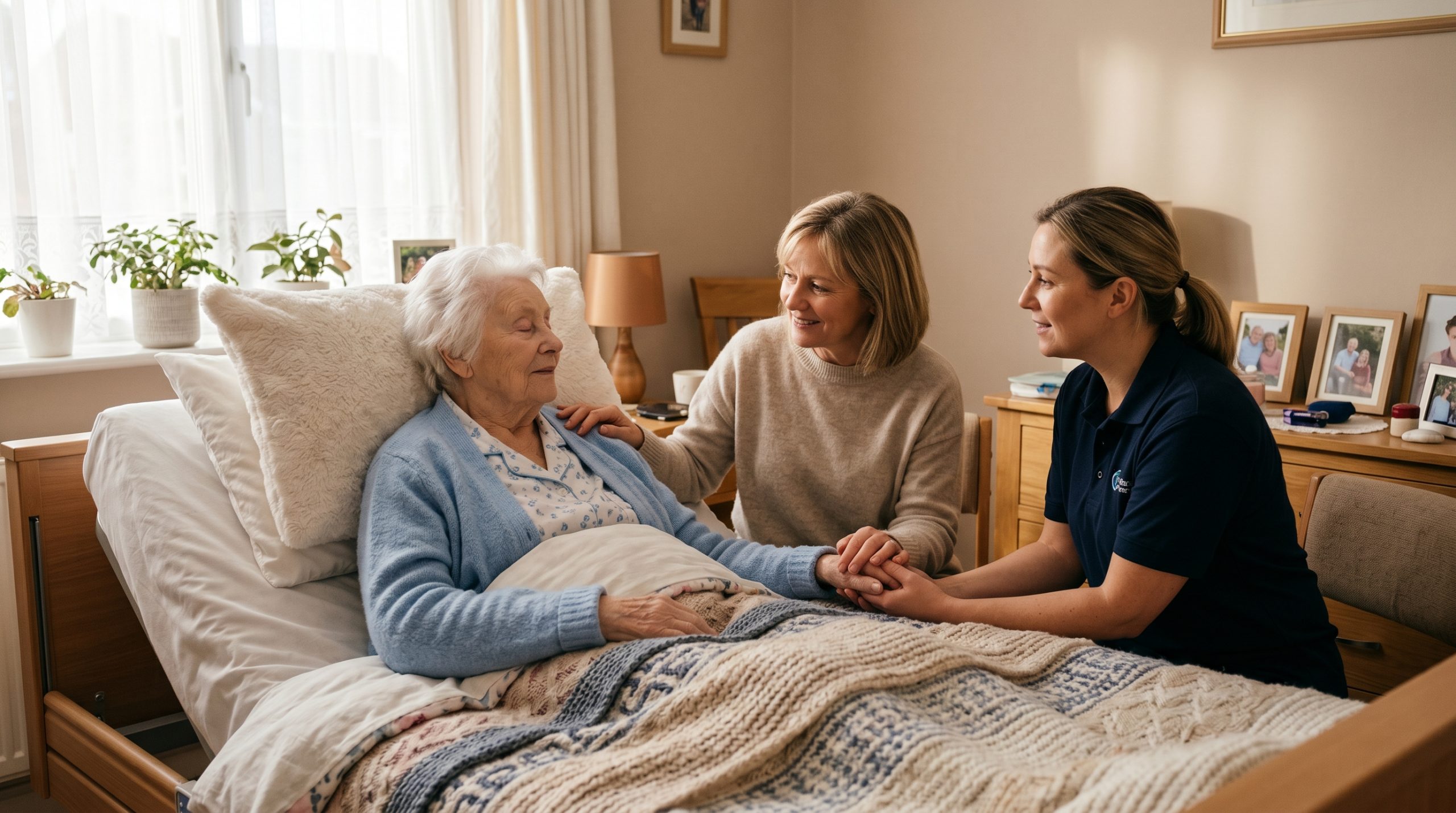
Caring for an old person you love is a heartwarming but often overwhelming journey. Whether it’s your parent, spouse, or grandparent, watching them age brings up countless questions: Are they safe? Are they lonely? What kind of help do they need? And most importantly—how can you, as a family member, provide that help without burning out?
That’s where understanding elderly care essentials becomes your superpower. This guide isn’t just about services or medical terms—it’s about peace of mind, compassion, and equipping yourself with the right knowledge to make thoughtful decisions.
With customized options like home care, professional support, and even simple companionship, your loved one can age with dignity and independence. And you can breathe easier, knowing they’re in caring hands. Let’s explore everything you need to know—emotionally, practically, and with a little heart.
Understanding Elderly Care Services: From Daily Support to Professional In-Home Assistance
So, what exactly is elderly care? In today’s world, it’s far more than a nursing home or hospital bed. It includes a wide range of support—from emotional companionship and light housekeeping to personal care and medical supervision.
Families in Connecticut and across the country are increasingly choosing care at home over institutional settings. Why? Because aging in a familiar environment promotes emotional well-being, safety, and confidence.
Whether your loved one needs a few hours of help each week or around-the-clock care, services can include
- Help with daily tasks (bathing, dressing, grooming)
- Companionship to reduce loneliness
- Medication reminders and prescription pickup
- Light housekeeping and meal preparation
- Escorting to appointments or community events
How to Know When It’s Time to Consider Elderly Care Support for Your Loved One
One of the most difficult moments for any family is realizing a loved one needs more support. Maybe your dad is skipping meals. Or your grandmother keeps forgetting appointments. It can be subtle—or it can hit you all at once.
Here are a few signs it may be time to explore home care services
- Your loved one struggles with cooking, cleaning, or personal hygiene
- You’ve noticed mood swings, withdrawal, or forgetfulness
- There’s been a fall, injury, or hospital visit
- You (the caregiver) feel burned out or overwhelmed
Types of Elderly Care You Can Choose—From Part-Time Help to Full-Time Home Health Services
There’s a wide spectrum of elderly care options available, and the right one depends on the level of support your loved one needs.
Non-Medical Home Care
This includes basic assistance like meal prep, grooming, companionship, and errands. It’s ideal for seniors who want to stay independent but need a little help. Think of it as a friendly hand that makes daily life safer and easier.
Home Health Care
When medical supervision is needed—such as wound care, physical therapy, or chronic illness management—licensed nurses or therapists can visit the home. Many Connecticut families choose home care agencies that offer both personal and clinical services under one plan.
Live-In or 24/7 Care
For seniors who need round-the-clock support, live-in caregivers provide peace of mind. They assist with everything from mobility to medication management—while offering a constant source of emotional reassurance.
If you’re unsure where to begin, a senior care advisor can walk you through options and help you understand what’s covered by Medicaid, long-term insurance, or veteran benefits.
Emotional Support in Elderly Care: Why Companionship Is Just As Important As Medical Help
Let’s talk about something often overlooked in discussions about elderly care—emotional well-being. Isolation is one of the biggest risks older adults face, especially after retirement or the loss of a spouse.
Having someone to talk to, laugh with, and share daily routines isn’t just nice—it’s essential.
According to the CDC, loneliness in seniors increases the risk of heart disease, stroke, and cognitive decline. That’s why companion care is a vital part of senior care strategies. Whether it’s reading together, going for walks, or just sharing a cup of tea, emotional connection is healing.
Practical Steps for Families: How to Choose the Right Elderly Care Provider near You
Choosing an elderly care provider isn’t just a service—it’s a relationship. You’re trusting someone to enter your loved one’s home, share their space, and help with deeply personal tasks.
Here’s what to look for in a quality home care agency
- Certification & Licensing: Are the caregivers background-checked and trained?
- Personalization: Does the provider create custom care plans?
- Flexibility: Can you adjust services based on changing needs?
- Reviews & References: What do other families say?
- Communication: Are care notes, scheduling, and updates easily accessible?
FAQs: Common Questions Families Ask About Elderly Care and Home Support Services
How is elderly care different from home health care?
Elderly care covers personal and emotional support. Home health care includes medical services provided by licensed professionals.
Can we start with part-time help and expand services later?
Absolutely. Many families start with a few hours a week and increase care as needs evolve.
Is elderly care covered by insurance or Medicare?
Some home care services may be covered under Medicaid or long-term care insurance. Home health services under a doctor’s prescription may be covered by Medicare.
When It Comes To Elderly Care, Knowledge, Kindness, and Action Go Hand-In-Hand
Caring for an aging loved one brings up deep emotions—love, guilt, worry, hope. But you don’t have to walk this road alone. With today’s flexible elderly care options, you can provide the support your loved one deserves—right in the comfort of their home.
Whether it’s a few hours of weekly companionship, daily assistance with tasks, or full-time home care, the goal is always the same: to help your loved one age with dignity, safety, and joy.
And for you? Peace of mind. Because knowing they’re cared for means you can exhale, too.
Let’s help you get started. Reach out today to learn how our personalized senior care plans in Connecticut are changing lives, one family at a time.