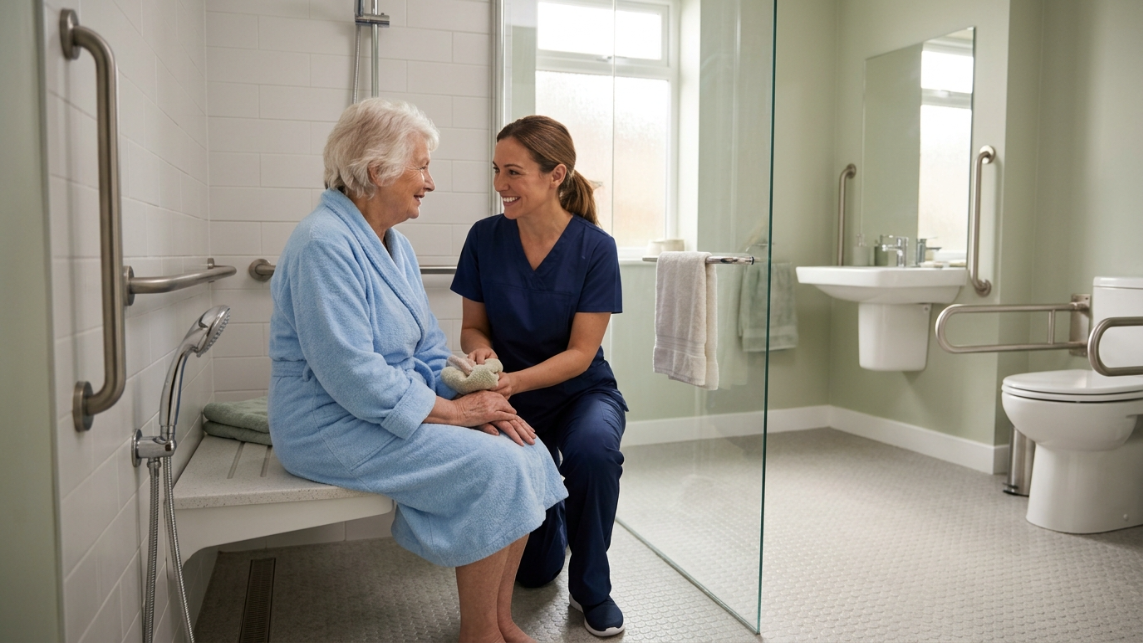
Let’s be honest — incontinence isn’t an easy topic to talk about. For many seniors, it’s more than a physical condition; it’s something that can quietly chip away at confidence and independence. Families often feel unsure how to help without causing embarrassment or frustration.
But here’s the truth: incontinence care for elderly loved ones doesn’t have to be uncomfortable or awkward. With the right knowledge, planning, and compassion, you can make life more manageable — and dignified — for everyone involved.
Understanding how to manage incontinence properly not only protects health but also emotional well-being. It’s about building a routine that balances comfort, privacy, and self-respect. Whether you’re caring for an aging parent or planning for your own long-term care, knowing how to approach this sensitive issue with empathy makes all the difference.
Let’s explore some practical strategies that empower seniors to live confidently and comfortably.
Understanding The Basics of Incontinence Care for Elderly Loved Ones
The first step to effective care is understanding what incontinence really means. It’s not just “a part of aging.” Incontinence can stem from a range of causes — weakened pelvic muscles, certain medications, chronic conditions like diabetes, or even limited mobility. When you recognize the cause, you can better customize incontinence care for elderly family members to their specific needs.
There’s also a deep emotional layer to consider. Many seniors struggle with related dignity concerns, feeling embarrassed or even ashamed. That’s why caregivers should approach each situation with patience and sensitivity. Encouraging open communication helps older adults feel heard rather than judged.
Remember: incontinence management is about maintaining a person’s comfort, self-worth, and daily independence — not just about hygiene or routine changes.
Effective Ways of Managing Elderly Incontinence with Compassion and Consistency
When it comes to managing elderly incontinence, consistency is key. Establishing a schedule for bathroom visits can help prevent accidents and promote confidence. This approach, often called “bladder training,” can be especially effective when combined with positive reinforcement and patience.
Practical strategies also matter. Choose easy-to-remove clothing, keep accessibility for urgent needs in mind, and ensure night lighting is soft but adequate. For mobility-impaired seniors, having grab bars or portable commodes nearby can make a world of difference.
Hydration is another overlooked aspect. Many seniors drink less to avoid accidents, which can backfire and lead to dehydration or urinary tract infections. Encourage regular water intake and monitor bathroom habits to maintain balance.
In short, managing incontinence isn’t about control — it’s about empowerment through routine, awareness, and comfort.
Supportive Approaches to Senior Bladder Control and Personal Confidence
Supporting senior bladder control goes beyond medical management — it’s about restoring confidence. Pelvic floor exercises, like Kegels, can strengthen muscles and improve bladder stability over time. Your role, whether as a caregiver or family member, is to encourage and celebrate progress without judgment.
Technology can also help. Discreet wearable sensors, absorbent yet breathable pads, and odor-controlling fabrics allow seniors to go about their day comfortably. Combined with trained assistance with personal care, these tools ensure both health and dignity remain intact.
Finally, make discussions about bladder health normal. Many seniors hide symptoms until complications arise. Regularly check in with a healthcare professional to adjust care plans as needed. It’s small steps like these that help seniors maintain control — and self-esteem.
Creating A Comfortable Routine with Adult Incontinence Solutions That Work
There’s no one-size-fits-all fix, but there are several adult incontinence solutions that make everyday life easier. Disposable briefs, reusable underwear, absorbent bed pads, and barrier creams all play their role in comfort and protection. The key is to find what works best for each individual — based on mobility, sensitivity, and personal preference.
Incorporating incontinence products seniors into a well-planned routine takes thought and empathy. Caregivers should ensure supplies are discreetly stored, readily available, and replaced regularly to prevent discomfort or infections. For those who need extra help, trained assistance with personal care can make all the difference, ensuring hygiene is maintained with dignity.
Above all, focus on maintaining dignity at home. This means providing privacy during changes, speaking respectfully, and never rushing through care tasks. Compassion and patience transform a difficult experience into one that preserves self-worth.
Balancing Practical Care with Emotional Support and Open Conversation
Addressing incontinence requires a dual approach — practical strategies for daily management and emotional support to build confidence. Many seniors feel isolated or embarrassed, so open dialogue can change everything. Encourage them to share how they feel, what’s working, and where they need extra help.
Education helps too. Understanding bladder health, UTI prevention seniors, and lifestyle habits (like limiting caffeine or alcohol) can minimize symptoms. Proper skin care incontinence routines also reduce irritation and infection risks.
Sometimes, professional caregivers can provide reassurance and consistency that family alone can’t. They’re trained to handle sensitive needs without judgment, and they often notice patterns that help prevent accidents before they happen. It’s about giving your loved one comfort, routine, and emotional stability in one seamless care plan.
Dignity First: Why Compassionate Incontinence Care for Elderly Matters
At the heart of everything lies dignity. When families prioritize respect, compassion, and open communication, incontinence care for elderly loved ones becomes a shared journey rather than a struggle.
Caregivers who understand this know how to balance related dignity concerns with effective, personalized routines. They know when to encourage independence and when to step in with trained assistance with personal care. And they make sure that every detail — from comfort to accessibility for urgent needs — supports well-being at every level.
True dignity is found in the small acts: helping someone clean up without embarrassment, adjusting routines with empathy, and listening without judgment. That’s what compassionate care looks like in practice.
Preserving Comfort, Confidence, And Dignity Through Compassionate Care
Incontinence can be challenging, but it doesn’t have to define a senior’s daily life. With thoughtful planning, patience, and emotional understanding, families can create routines that balance practicality with kindness. The right caregiver knows that maintaining cleanliness isn’t enough — it’s about supporting self-worth and independence.
When families and caregivers work together, seniors experience more than physical relief. They gain confidence, comfort, and the reassurance that they’re not alone in this. And when maintaining dignity at home is the priority, the results are truly life-changing.
Incontinence care requires compassion and skill. One Stop Home Care Services caregivers provide dignified, professional assistance that preserves self-esteem. Contact us for sensitive support.