Living with arthritis can turn simple daily tasks into constant challenges. Opening jars, walking up stairs, or even getting dressed can bring discomfort or frustration. For many older adults, joint pain doesn’t just affect the body — it impacts mood, confidence, and independence.
That’s why compassionate and consistent arthritis care for elderly individuals is so important.
Here’s the thing, managing arthritis isn’t about eliminating pain completely, but learning how to live well with it. The right care plan, combined with thoughtful home adaptations and gentle routines, can make a world of difference. Whether it’s assistance from a caregiver, tailored exercise support, or smart adaptive equipment for arthritis, each step toward comfort helps seniors regain control of their day-to-day life.
Let’s talk about how the right environment, techniques, and compassionate care can make living with arthritis not just manageable, but empowering.
Understanding Arthritis Care for Elderly Loved Ones and Their Daily Challenges
Arthritis is one of the most common chronic conditions among older adults, yet its impact varies widely. Some experience mild stiffness; others deal with persistent pain that affects movement and emotional health. Effective arthritis care for elderly family members begins with understanding that every case is different, and so should the care.
The most common types, osteoarthritis and rheumatoid arthritis, cause inflammation, stiffness, and reduced flexibility in joints. Over time, even routine activities like cooking or walking can feel difficult. Many seniors withdraw from social or physical activities, leading to isolation or anxiety.
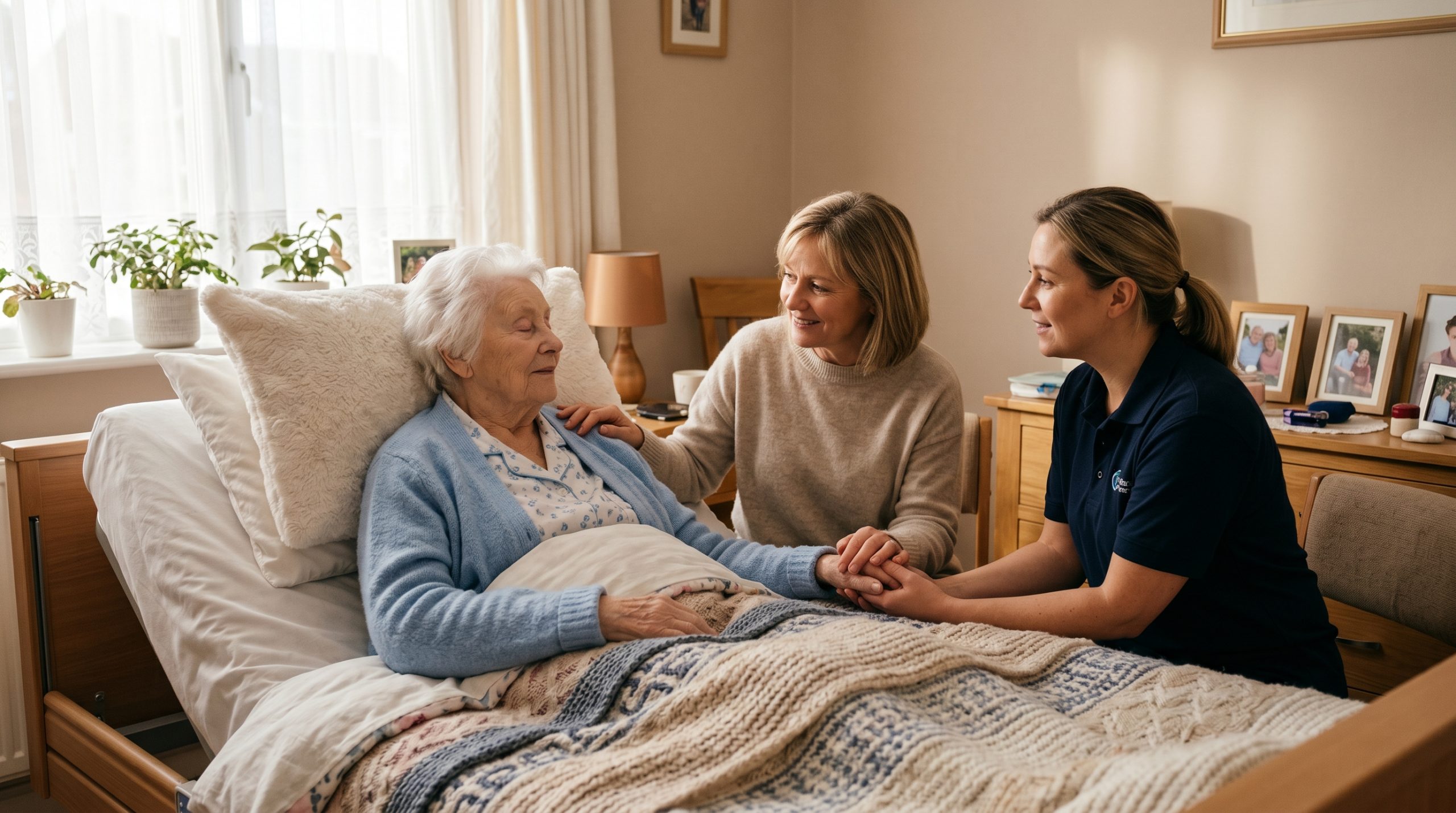
That’s why care at home matters. In familiar surroundings, seniors feel more at ease and motivated to stay active within their comfort levels. Trained caregivers can help manage daily routines, assist with movement, and remind seniors about medications. Consistent attention helps prevent injuries, especially since arthritis as fall risk is a growing concern among aging adults.
Personalized care not only relieves physical discomfort but also restores dignity and confidence, vital elements in maintaining overall well-being.
Practical Senior Arthritis Management Tips: Creating A Comfortable Home Environment
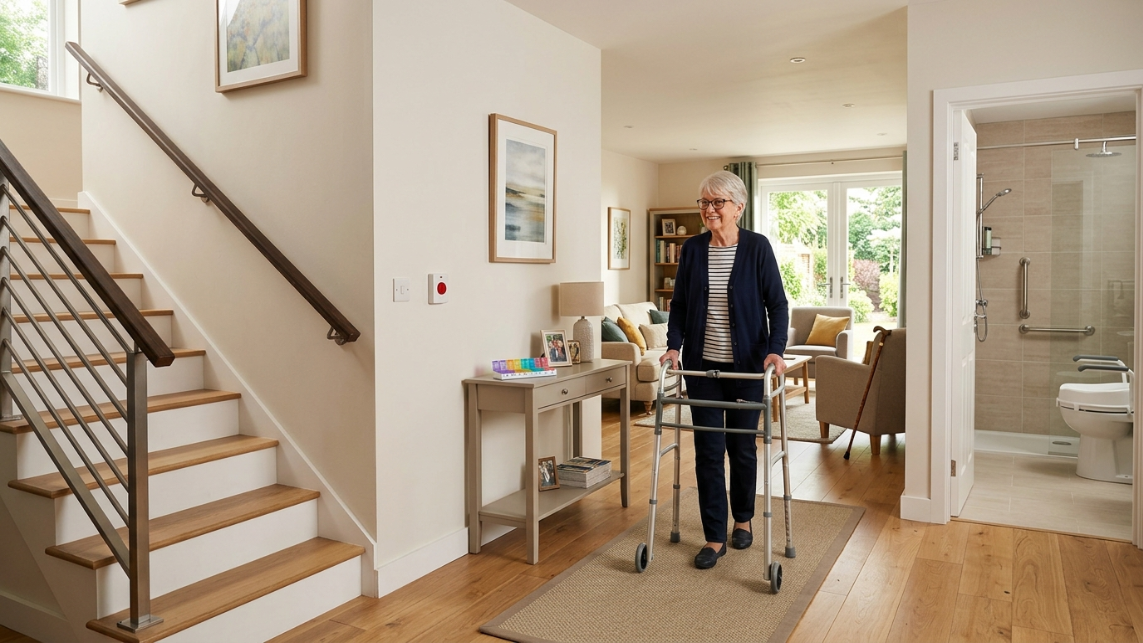
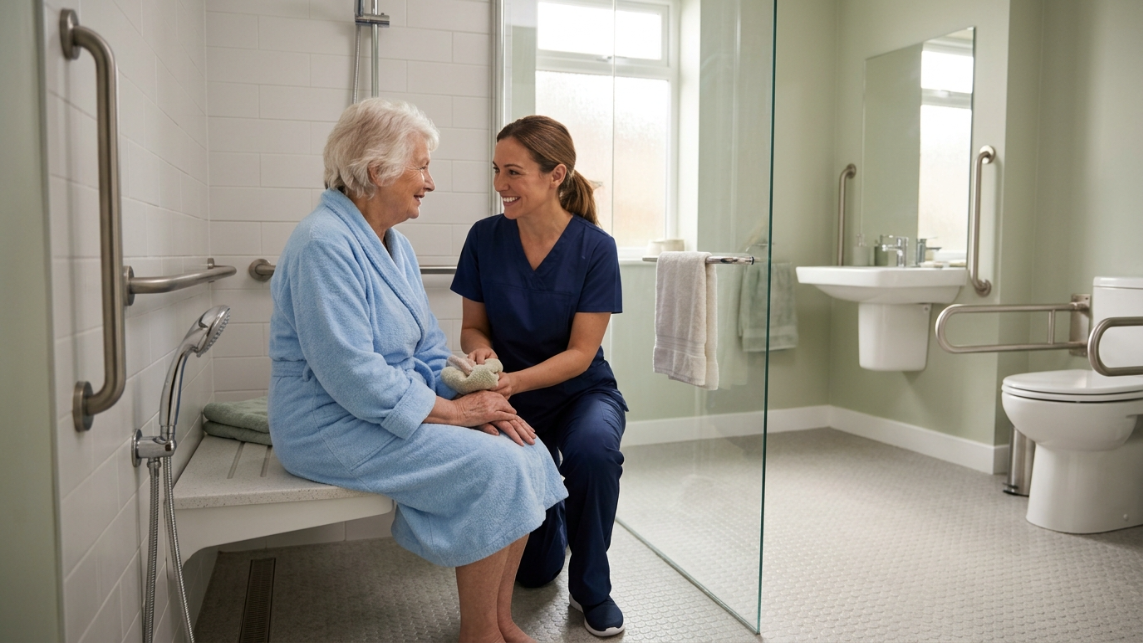
A supportive environment is the cornerstone of senior arthritis management. Small changes at home can lead to big improvements in safety and comfort. For instance, installing grab bars in bathrooms, using lever-style door handles, or choosing cushioned flooring can help reduce strain on joints.
Seniors often feel discouraged when movement becomes painful, but creating an arthritis-friendly space can reignite independence. Proper lighting prevents missteps, and rearranging furniture allows easier navigation for those using mobility aids arthritis tools like canes or walkers.
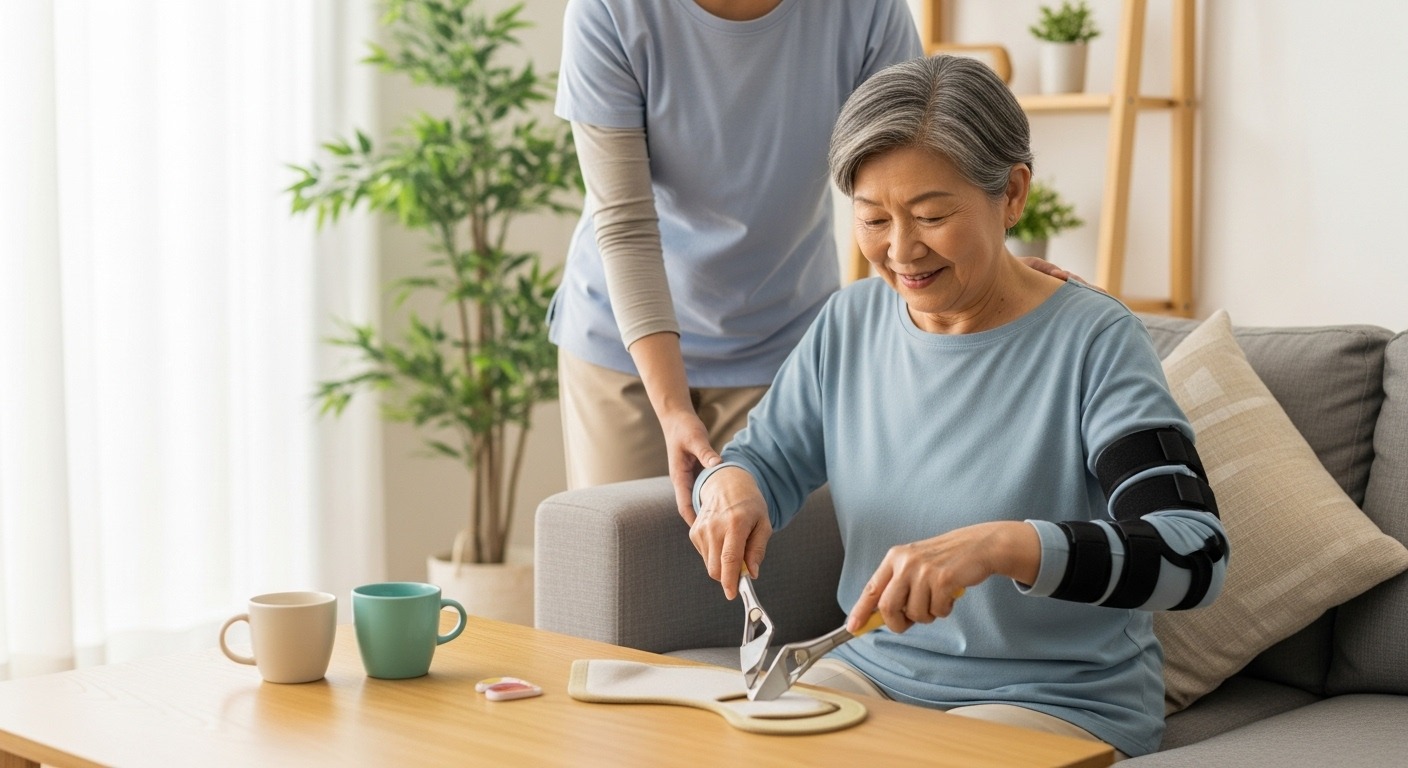
Caregivers can also introduce helpful adaptive equipment for arthritis such as jar openers, reacher tools, and ergonomic kitchen utensils to minimize stress on hands and wrists. Even something as simple as using an electric kettle instead of a heavy pot can make a big difference in day-to-day ease.
At One Stop Home Care Services, our caregivers help identify these needs and implement home modifications that support independence while minimizing pain and fall risks. When a home feels safe and functional, seniors feel empowered to keep moving forward confidently.
Easing Discomfort with Arthritis Pain Relief Elderly Strategies and Daily Movement
There’s no one-size-fits-all solution for arthritis pain relief elderly care, but consistent pain management routines are key. Medication prescribed by physicians, warm compresses, gentle stretching, and rest all work together to ease inflammation and stiffness.
Trained caregivers can help implement these pain management options safely and consistently. For example, ensuring medications are taken on time, applying heating pads, or assisting with light massage can reduce pain and improve mobility. Hydration and balanced nutrition also play a subtle yet powerful role in managing inflammation.
Movement is just as important. While resting sore joints may seem helpful, inactivity can actually make stiffness worse. Caregivers encourage gentle arthritis-friendly exercises like slow stretches, chair yoga, or short walks to maintain flexibility and strength. Physical activity, when guided properly, enhances circulation and reduces long-term discomfort.
In short, pain management isn’t about doing less, it’s about doing things smarter, with the right rhythm, rest, and support.
Maintaining Mobility and Confidence with Living with Arthritis Seniors Adaptations
Living well with arthritis requires balance, literally and figuratively. Seniors often struggle with uneven flooring, steps, or tight spaces that make moving around stressful. The right arthritis home modifications can transform daily life from difficult to doable.
A grab bar near the shower, a stair lift, or even rearranging high-shelf items to reachable spaces can make a world of difference. Caregivers focus on promoting joint pain relief by supporting correct posture, safe movement, and exercises that strengthen muscles around affected joints.
In many cases, personalized care plans include mobility training to reduce the risk of falls and build confidence. Using lightweight mobility aids arthritis tools, such as foldable walkers or ergonomic canes helps seniors move safely without overexertion.
Even daily routines like cooking or cleaning can become opportunities for movement when done with care and assistance. It’s not about giving up independence; it’s about learning new ways to maintain it comfortably.
Building Strength Through Arthritis Exercises Seniors and Mindful Movement
Regular movement is essential in slowing down the effects of arthritis, but it has to be done gently and intentionally. Arthritis exercises senior’s routines should focus on flexibility, balance, and low-impact strength building. Swimming, light stretching, or simple hand and finger exercises can relieve stiffness and improve joint function.
When supervised, exercises become not only safe but empowering. Caregivers can help set up consistent routines that fit a senior’s comfort level. For example, simple leg lifts while seated or shoulder rolls can help maintain mobility without straining joints.
Movement also boosts mental health. Exercise releases endorphins the body’s natural painkillers which ease both pain and stress. By integrating gentle arthritis-friendly exercises into the day, seniors experience improved energy, mood, and resilience.
It’s less about how much you move and more about staying consistent. Even a few minutes a day can significantly enhance quality of life for seniors living with arthritis.
Medication And Lifestyle Balance: Staying on Track with Arthritis Medications Elderly
Managing arthritis effectively often means finding the right balance between medication and lifestyle habits. Doctors may prescribe anti-inflammatory drugs or topical creams for relief. However, consistency and monitoring are key, especially when managing multiple prescriptions.
Caregivers help ensure medications are taken properly and on schedule, reducing risks of missed doses or side effects. They can also encourage simple wellness routines like stretching, hydration, and proper rest to enhance overall effectiveness.
Lifestyle choices matter too, maintaining a balanced diet rich in omega-3s, fruits, and vegetables can naturally reduce inflammation and improve joint health. Combined with gentle physical activity, these steps work together to create lasting arthritis pain relief elderly benefits.
The goal isn’t to rely solely on medication, but to create a balanced, sustainable rhythm that supports both physical and emotional well-being.
Supporting Seniors Every Step of The Way: Compassionate Arthritis Care for Elderly at Home
Arthritis can change how seniors move, feel, and interact with the world — but it doesn’t have to take away their independence or joy. With attentive arthritis care for elderly loved ones, daily life can be adapted in ways that bring comfort, confidence, and control back into their hands.
From customized pain management options to adaptive equipment for arthritis and home modifications that enhance safety, every thoughtful adjustment adds to their freedom and peace of mind. Encouraging movement through gentle arthritis-friendly exercises helps maintain strength and spirit.
Arthritis shouldn’t limit daily life. One Stop Home Care Services caregivers help with mobility, adaptive techniques, and pain management strategies. Contact us for compassionate arthritis support. With understanding, patience, and a little help, seniors can live comfortably at home, thriving each day with less pain and more independence.