Recovering from a stroke is one of the most challenging journeys a senior can face. It’s not just a medical recovery, it’s an emotional, physical, and mental transformation that requires time, patience, and the right support. Families often find themselves searching for ways to help their loved one regain strength, independence, and confidence, all while maintaining comfort at home.
That’s where compassionate, in-home care becomes essential.
With the right plan for stroke recovery elderly at home, seniors can heal in familiar surroundings, surrounded by people who truly care. From therapy and mobility assistance to emotional encouragement, home-based recovery empowers seniors to move at their own pace, without the stress of hospital environments.
We believe recovery should be a partnership built on trust, empathy, and expert guidance. Let’s explore how at-home rehabilitation can make all the difference in rebuilding life after a stroke.
The Importance of Personalized Stroke Recovery Elderly at Home for Long-Term Healing
Every stroke survivor’s recovery story is different. Some regain strength quickly, while others face a slower path with lingering challenges. That’s why stroke recovery elderly at home must be personalized. It’s not just about following a routine; it’s about understanding what the person truly needs day to day.
At home, seniors feel more relaxed and motivated. They’re surrounded by familiar faces and comforting environments that reduce stress and anxiety, two factors that can delay recovery. A professional caregiver can coordinate with doctors and therapists to design coordinated rehabilitation services that address physical limitations, speech challenges, and daily living needs.
This one-on-one attention builds consistency and confidence. Caregivers can help seniors safely perform exercises, practice speech, or regain the ability to perform daily tasks like dressing, eating, or walking. In essence, home care transforms recovery from a clinical process into a compassionate partnership focused on restoring independence and dignity.
Building Strength Through Home Stroke Rehabilitation and Gentle Physical Therapy
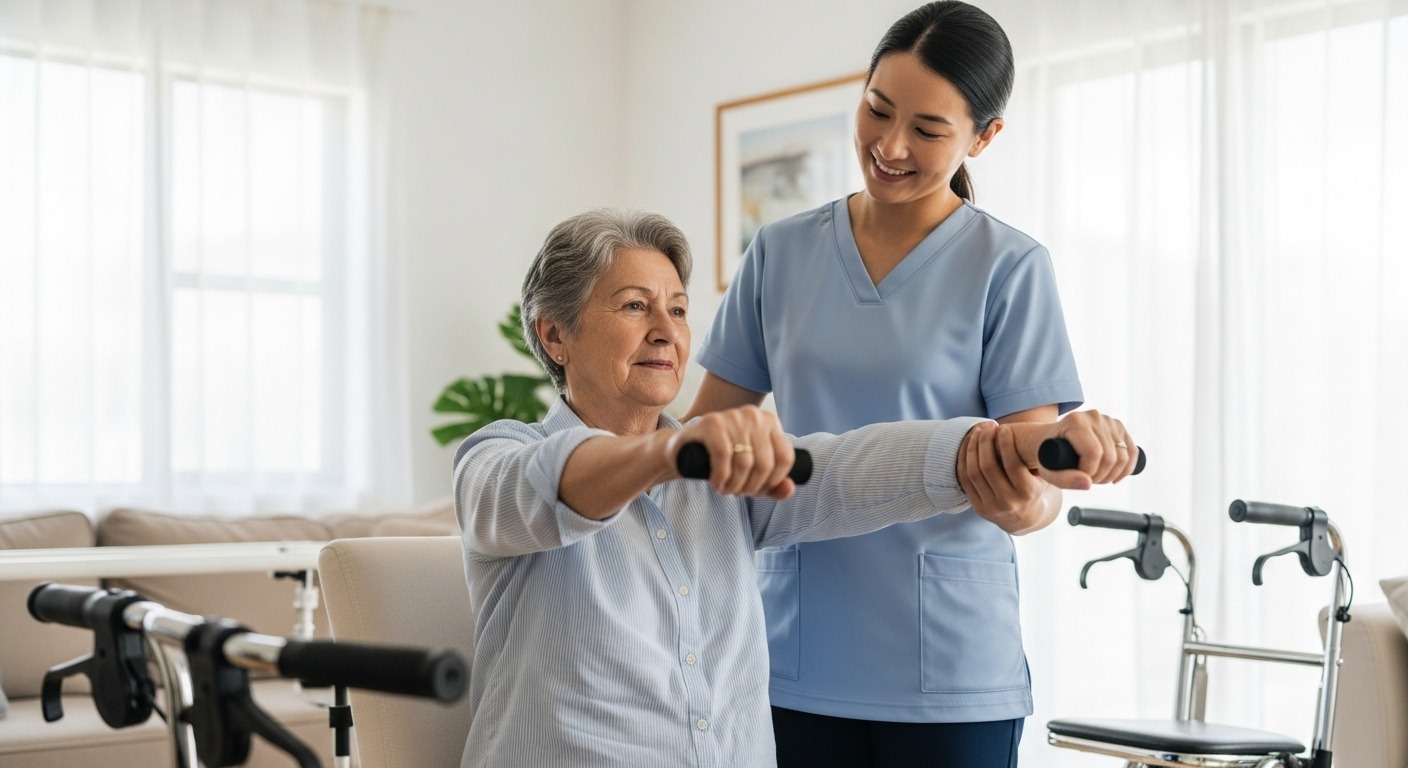
Rehabilitation at home plays a vital role in helping seniors regain mobility and coordination. Home stroke rehabilitation allows caregivers and physical therapists to adapt exercises to the client’s unique needs and environment, ensuring safety and comfort throughout the process.
For example, stroke physical therapy home may include light exercises to rebuild muscle strength, balance training to prevent falls, and stretching to improve flexibility. These sessions can be customized to fit the individual’s current mobility level and recovery timeline. Even small, consistent movements can dramatically improve circulation, confidence, and daily function.
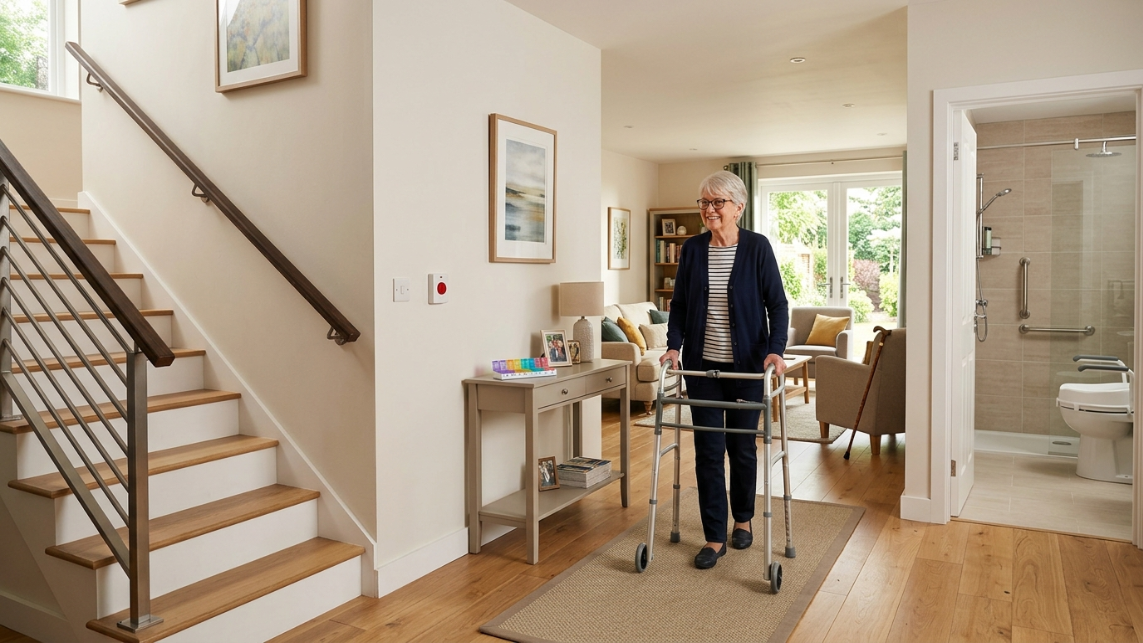
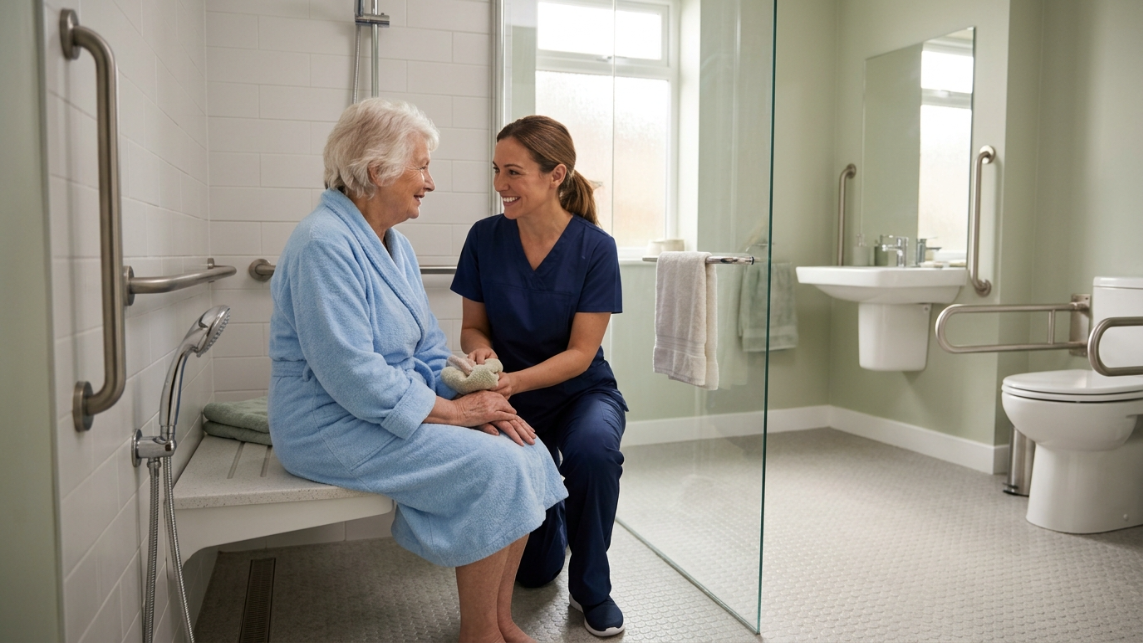
The use of stroke mobility aids, like walkers, grab bars, or adaptive equipment, can help seniors feel steady and independent during their rehabilitation. Caregivers play a crucial role in guiding safe use of these tools and adjusting the home for maximum accessibility post-stroke.
The goal isn’t just physical improvement, it’s helping seniors reclaim their sense of control, one step at a time, in an environment that feels safe and familiar.
Supporting Communication and Confidence: Speech Therapy After Stroke and Emotional Recovery
A stroke doesn’t just affect the body; it often impacts speech and emotional health too. Many seniors struggle to express themselves or find the right words, leading to frustration or isolation. That’s why integrating speech therapy after stroke into the recovery plan is so important.
At home, speech therapy can feel more personal and less intimidating. Caregivers and therapists work patiently, using repetition, memory exercises, and conversation-based techniques to help seniors regain communication skills. Encouraging loved ones to engage in daily conversations, whether it’s reading aloud, talking about memories, or playing word games, can make a big difference.
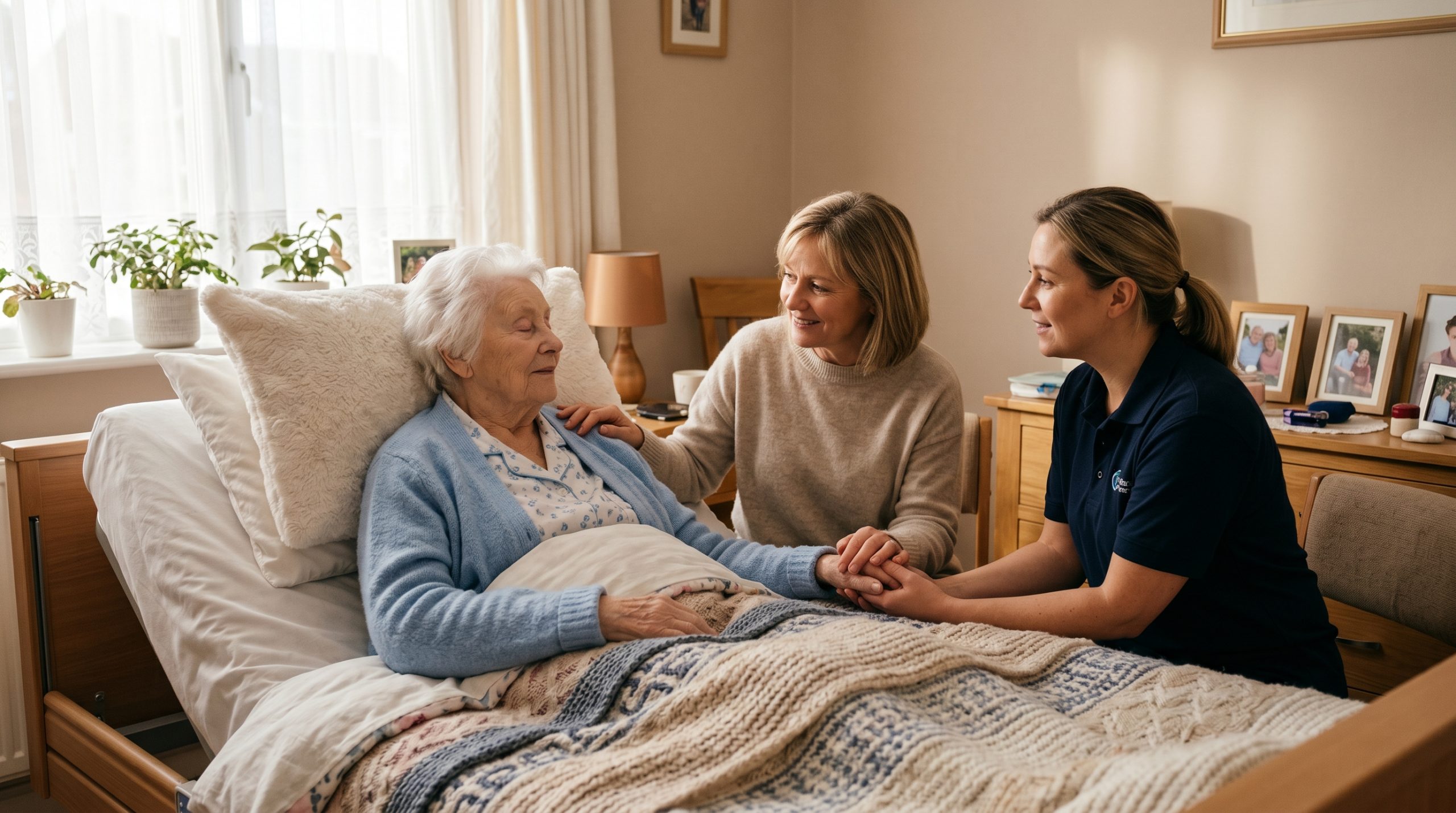
Beyond therapy, emotional recovery is equally vital. Stroke survivors often experience mood swings, sadness, or anxiety about their future. Having compassionate support through senior stroke care at home ensures they’re not going through it alone.
A listening ear, gentle reassurance, and consistent encouragement can reignite confidence and optimism as seniors rebuild their abilities and self-esteem.
Creating A Safe Space: Home Adaptations for Recovery and Everyday Living
A safe environment can make or break a successful recovery. Simple home adaptations for recovery not only promote safety but also boost independence. For seniors managing post-stroke recovery, this could mean installing grab bars in bathrooms, non-slip mats in hallways, or rearranging furniture for easier movement.
Caregivers can evaluate the space to ensure it supports the senior’s mobility goals while preventing falls and accidents. Stroke mobility aids such as canes, braces, or adjustable beds can also improve daily comfort and stability.
The focus should be on creating accessibility without disrupting the warmth of home. Each adjustment, whether large or small, adds another layer of confidence, making it easier for seniors to move freely and regain a sense of normalcy.
Equally important is medication management. Following a stroke, doctors may prescribe stroke prevention medications to reduce the risk of recurrence. Caregivers ensure these are taken on time and tracked properly, minimizing confusion or missed doses.
Staying Ahead: Preventing Second Stroke and Maintaining Long-Term Health
Here’s the thing—recovery doesn’t stop once physical healing begins. Preventing another stroke is just as critical as recovering from the first one. For seniors, this means lifestyle adjustments, ongoing medical checkups, and proper medication routines.
A good caregiver understands that preventing second stroke involves more than just reminders; it’s about fostering healthier daily habits. That might include preparing nutritious meals low in sodium and saturated fat, encouraging gentle exercise, or managing stress through calming activities like music or light walks.
Caregivers can also track blood pressure, monitor for warning signs like sudden weakness or speech changes, and help maintain doctor appointments. These steps, combined with the right coordinated rehabilitation services, create a strong safety net that supports long-term wellness.
When families and caregivers work together with dedication and communication, the result isn’t just recovery—it’s resilience. Seniors gain confidence knowing they’re supported every step of the way, both physically and emotionally.
Empowering Families Through Compassionate Senior Stroke Care and Support
Caring for a loved one after a stroke is emotional and often overwhelming. Families need reassurance, guidance, and reliable help they can trust. That’s where professional senior stroke care becomes invaluable. Trained caregivers understand the challenges seniors face, from physical therapy routines to emotional ups and downs.
Through consistent post-stroke recovery support, they help seniors regain balance, speech, and strength—all while keeping families informed and involved. Whether it’s helping with exercises, managing meals, or ensuring home safety, caregivers bridge the gap between medical needs and personal comfort.
Home care isn’t about doing everything for the senior—it’s about empowering them to do as much as they can on their own. That’s the essence of true rehabilitation: restoring both ability and confidence in everyday life.
Supporting Seniors Every Step of The Way: Compassionate Care That Transforms Recovery
Recovering from a stroke is never easy, but with the right care, it becomes a journey of rediscovery and hope. At home, surrounded by familiarity and compassion, seniors can regain strength, independence, and a renewed sense of purpose. From home stroke rehabilitation to speech therapy after stroke and personalized exercises, every small milestone brings them closer to full recovery.
At One Stop Home Care Services, we believe that recovery is not just about healing the body—it’s about restoring the spirit. Stroke recovery is a journey. One Stop Home Care Services provides compassionate support during rehabilitation with caregivers trained in mobility assistance and therapeutic exercises. Call us today.
With understanding, patience, and dedicated care, seniors can move forward confidently, one hopeful day at a time.