You are not alone if you are beginning to consider whether your elderly parent or loved one would benefit from a little extra help around the house. When safety, comfort, and independence are at stake, many families reach this stage and start to ask crucial questions about available care options.
Elderly home care can help with that. However, what precisely is home care for the elderly? Establishing a customized, caring support network within the house is more important than having someone stop by to say hello.
In-home care can be the link that makes aging in place both feasible and pleasurable, regardless of whether your loved one needs assistance with everyday tasks, company, or just someone to support them while honoring their independence.
This blog will explain what in-home support services actually entail, look at the many kinds of care that are available, and assist you in determining if this is the best course of action for your family.
Why Families Are Turning to Elderly Home Care as a Trusted Solution
For many elders, aging in place is becoming the preferred way of life, not simply a pipe dream. Families can allow their loved ones to stay in their homes without sacrificing their safety, dignity, or general well-being by providing them with senior home care.
Why are more families selecting this over assisted living or facilities? It provides flexibility, to start. From basic housekeeping to meal preparation and even mobility assistance, care plans can be tailored to meet changing needs. More significantly, it promotes emotional well-being by allowing elders to remain in familiar environments where they are most comfortable.
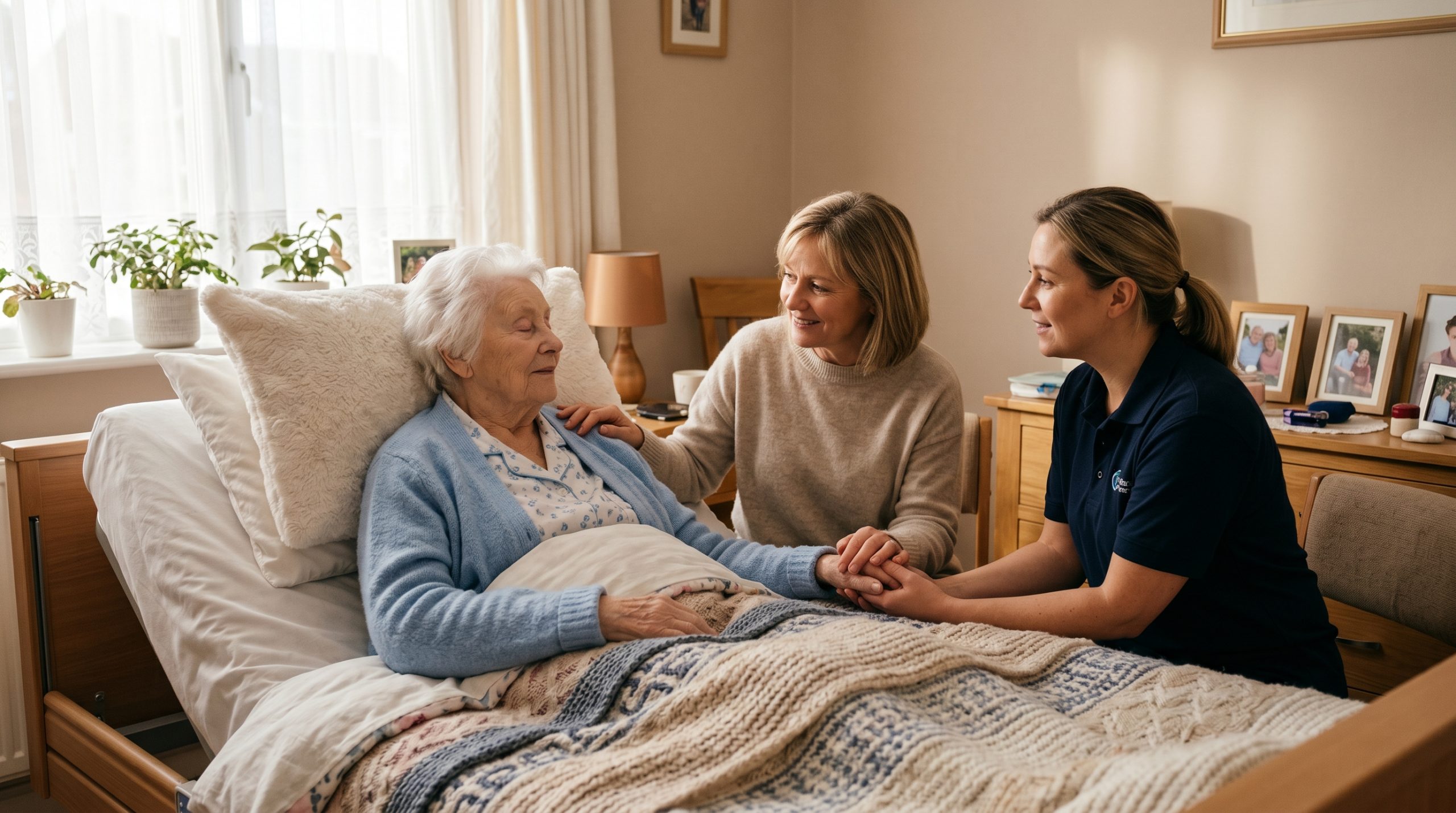
More people are becoming aware of the ways in which individualized home care services can offer both meaningful companionship and physical support. Many elderly people experience loneliness and isolation, particularly if they have limited mobility or have lost a spouse. A professional caregiver provides connection in addition to help.
Types of In-Home Support Services Available for Your Loved One’s Unique Needs
Families can make better selections if they are aware of the various types of in-home support services available. Medical and non-medical home care are the two main categories into which these services usually fall.
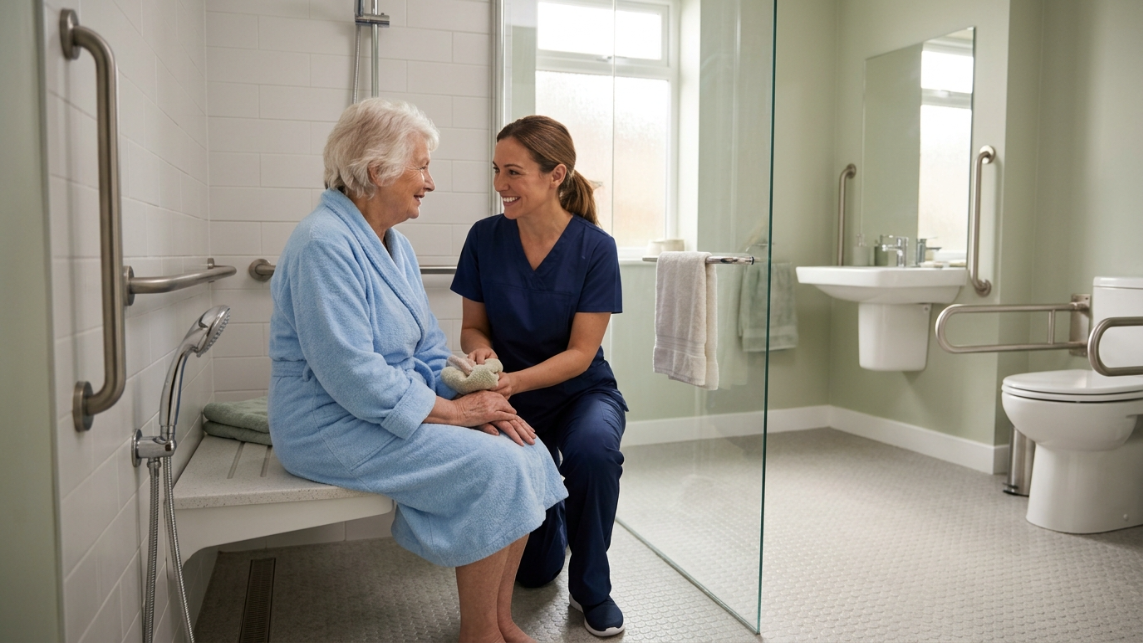
Non-medical home care focuses on helping with everyday life activities, the kind of assistance that is so necessary yet frequently goes unrecognized, whereas medical services involve licensed experts like nurses or therapists. Consider mobility assistance, companionship, light housekeeping, dressing, bathing, food planning, and medicine reminders.
Some elderly people might only require a few hours of help every week. Some people gain from 24-hour care. The great thing about in-home care services is that they are completely personalized. You are not constrained by a strict framework or a single level of care. In-home care may adjust to your loved one’s needs, whether they are for short-term recuperation assistance following a hospital visit or long-term support.
Families can get really individualized care in locations like Norwalk, Connecticut. For example, our program for elderly care assistance in Norwalk, CT, is compassionately and flexibly intended to ensure that elders in the area receive the best possible individualized care.
How In-Home Care Services Support Daily Living While Respecting Dignity
“Will my loved one feel like they are losing their independence?” is one of the most frequent questions families have when looking into in-home care services. The reverse is actually true. The purpose of home care is to empower, not to replace.
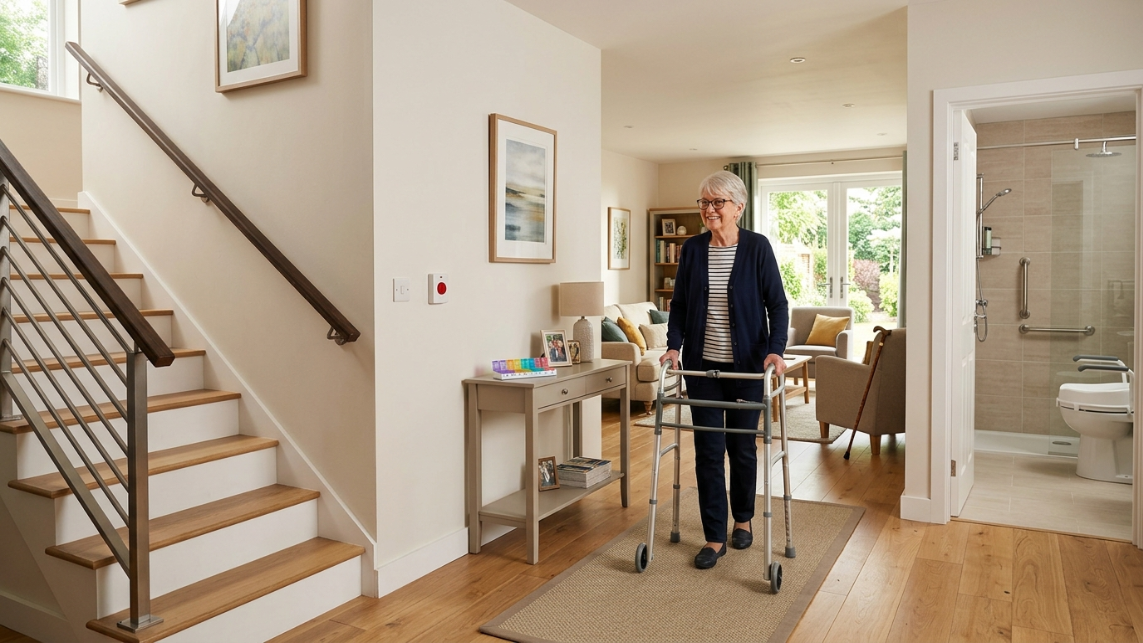
Professional caregivers have received training on how to balance being helpful and being intrusive. They take a backseat when necessary and offer assistance when required. It could be assisting with grocery shopping, taking care of housework, cooking, or making sure your loved one is able to move around the house safely.
A lot of caretakers offer transportation for errands, social events, and appointments. That flexibility to continue interacting with the outside world is priceless. Seniors feel engaged, connected, and most importantly, capable because to it.
Home Care Services vs. Assisted Living: Which Is Right for Your Family?
It is not always simple to decide between assisted living and home care services. Although they serve diverse requirements and tastes, both have special advantages.
Assisted living facilities provide group support around-the-clock, frequently with meals, entertainment, and on-site medical personnel. For elderly people who want community living and require frequent care, this may be the best option.
Nonetheless, a lot of senior citizens cherish the comforts of their everyday routine and home. Moving to a new setting might be distressing for them. This is where senior home care truly excels; it enables seniors to continue receiving the assistance they require while staying in their most familiar surroundings.
Why Non-Medical Home Care Is a Valuable Alternative to Traditional Support
You may ask if non-medical home care is actually that beneficial if there are no medical procedures involved. The answer is definitely yes.
Seniors frequently do not require round-the-clock medical attention. They require assistance to ensure their safety, sustenance, social interaction, and freedom to live their lives as they see fit. That is the core of home care for the elderly.
Non-medical care helps elders keep their routines, lessens the strain on family caregivers, and prevents accidents (such as falls) by providing assistance with daily tasks. Also, it serves as a vigilant eye; caretakers frequently pick up on minute behavioral or physical changes that family members would overlook.
How to Get Started with Elderly Home Care: A Simple Roadmap for Families
It can be intimidating to begin the process of providing home care for the elderly, but it does not have to be. Realizing that your loved one needs help is frequently the most difficult first step.
Next, make an appointment for a consultation with a reliable provider. This discussion will assist in determining the requirements, preferences, and way of life of your loved one. Together, you will create a strategy that takes into account practical habits, emotional health, and physical assistance.
Investigate home care providers before a crisis arises. Many families discover that elders are more receptive to the concept of outside assistance when they begin earlier, even if it is only for a few hours. Enhancing quality of life is more important than “needing aid.”
A New Chapter of Comfort and Connection with Senior Home Care
In the end, providing physical assistance is only one aspect of elderly home care; other goals include maintaining dignity, encouraging relationships, and improving daily living. It is about being certain that your loved one is not just safe but is actually doing well.
The path to better living begins at home, where elders feel most secure, with individualized in-home support services and adaptable non-medical home care options. In-home care services are made to change and grow with your loved one’s requirements, regardless of whether your family is just starting to look into choices or is prepared to go forward.
Our caring staff is here to assist you if you are in Norwalk or the surrounding areas. See the difference for yourself and learn why families rely on our senior care services in Norwalk, CT.