Winter can be beautiful, the sparkle of fresh snow, cozy blankets, and hot tea by the window. But for older adults, that same beauty can quietly bring risks that make daily life more challenging.
The drop in temperature affects balance, comfort, and even mood. For seniors living alone or managing health conditions, staying safe and warm becomes a top priority when the weather turns harsh.
That’s where winter safety tips for elderly come in. It’s not just about dressing warmly, it’s about planning, awareness, and simple actions that can prevent serious issues.
Slippery sidewalks, freezing pipes, power outages, and isolation can turn winter from peaceful to dangerous in a moment.
With the right steps and a bit of support, seniors can continue enjoying their independence and peace of mind, even through the coldest Connecticut days. Let’s break down how to make that possible.
Why Awareness of Cold Weather for Safety Seniors Matters More Than Ever
The cold doesn’t just bring discomfort; it changes how our bodies function.
As we age, it becomes harder to regulate temperature, and reactions to cold can be slower. That’s why awareness of cold weather for safety seniors are more than just advice; it’s protection.
Frostbite and preventing hypothermia elderly are major concerns during the winter months. A few hours in low temperatures can cause dangerous drops in body heat, even indoors if the thermostat dips too low. Seniors should aim to keep their homes heated at a steady temperature and wear layers that trap warmth without restricting movement.
Even something as simple as drinking warm fluids or using heated blankets can make a big difference. The goal isn’t just comfort — it’s preventing silent risks that come from underestimating how quickly cold can take a toll on aging bodies.
Navigating Preventing Hypothermia in Elderly: What Every Caregiver Should Know
Here’s the thing — hypothermia doesn’t always happen outside in the snow. It can develop slowly indoors if a home isn’t well-heated or if a senior wears light clothing. That’s why preventing hypothermia in elderly peopple is a topic every family and caregiver should take seriously.
Early signs often go unnoticed: mild confusion, shivering, or pale skin. These are the moments to act quickly adding blankets, offering warm drinks, and checking the room temperature.
A well-maintained heating system plays a huge role here, so it’s wise to schedule heating system for safety checks before the cold sets in.
Caregivers can also make simple adjustments like covering windows to block drafts, using space heaters safely, and encouraging movement throughout the day. Small habits, practiced consistently, make the biggest difference in keeping seniors warm and healthy during deep winter.
Preventing Slips and Falls: Protecting Against Ice and Winter Fall Risks
Snow looks pretty until it turns to ice — then it becomes a real hazard. Every year, hospitals report thousands of fall injuries linked to ice and winter fall risks, and seniors are especially vulnerable. Even a small patch of black ice can cause fractures or serious bruising that take months to heal.
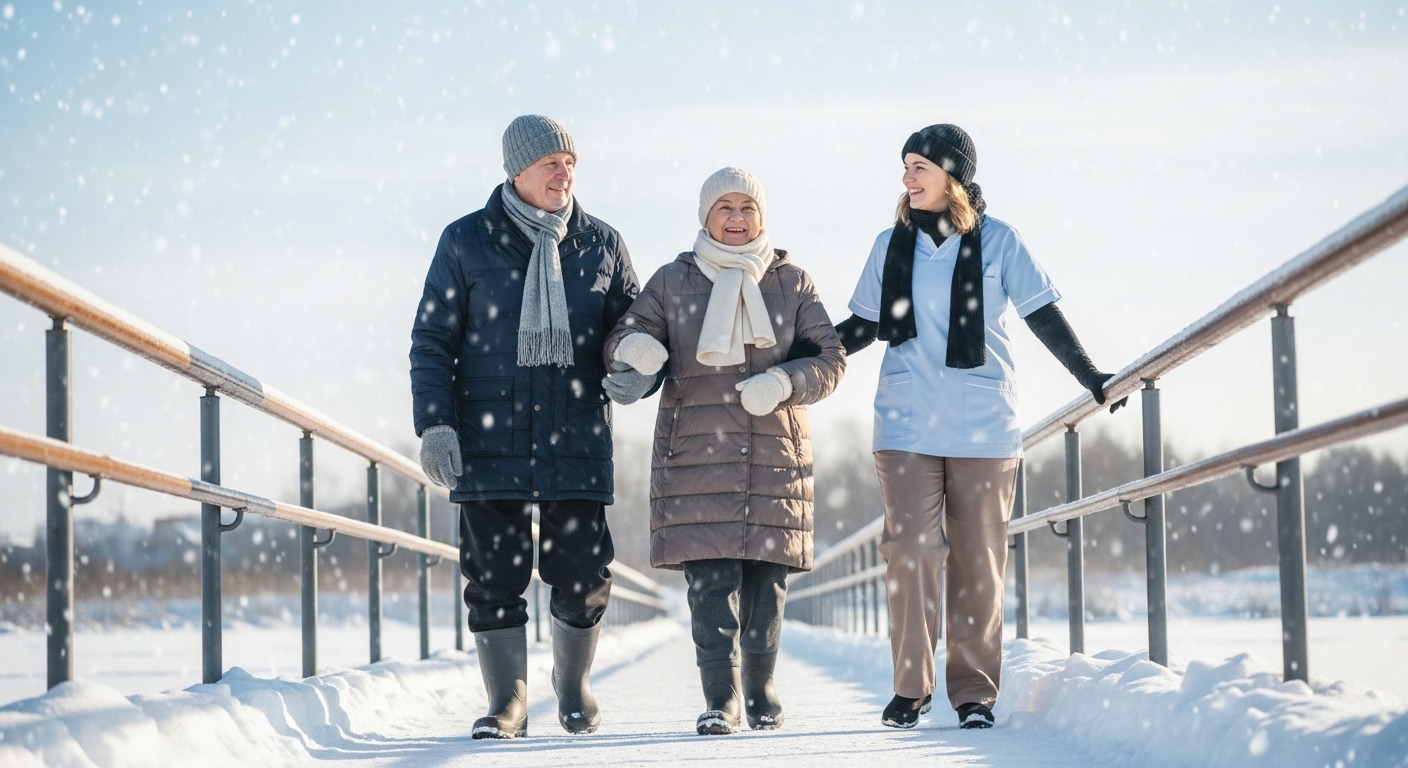
The best prevention is preparation. Make sure walkways, driveways, and entry steps are always salted or sanded. Shoes with non-slip soles and good traction should be part of every senior’s winter wardrobe.
Inside the home, wet floors from melted snow can be just as tricky, so having absorbent mats and a good lighting setup helps prevent missteps.
If going outdoors feels unsafe, it’s better to wait for help or have someone else handle errands. Staying upright is worth the patience a fall-free winter means peace of mind and continued independence.
Preparing For Storms and Outages: The Importance of Winter Outage Planning
When the wind howls and snow pile up, power lines don’t always hold. Losing electricity can mean losing heat, light, and communication a real danger for older adults who live alone. That’s why winter power outage planning isn’t optional; it’s essential.
Start with a checklist: flashlights with fresh batteries, a charged cell phone, extra blankets, and easy-to-open canned foods. Portable power banks can keep medical devices or phones running until help arrives.
It’s also smart to know where the nearest warming center or community shelter is located.
For those on medication or requiring medical equipment, backup arrangements should be discussed ahead of time with caregivers or family.
Planning ahead can transform a stressful outage into a manageable situation. When seniors are prepared, they don’t just survive the storm — they stay safe and in control through it.
Fighting Loneliness and Winter Isolation Concerns
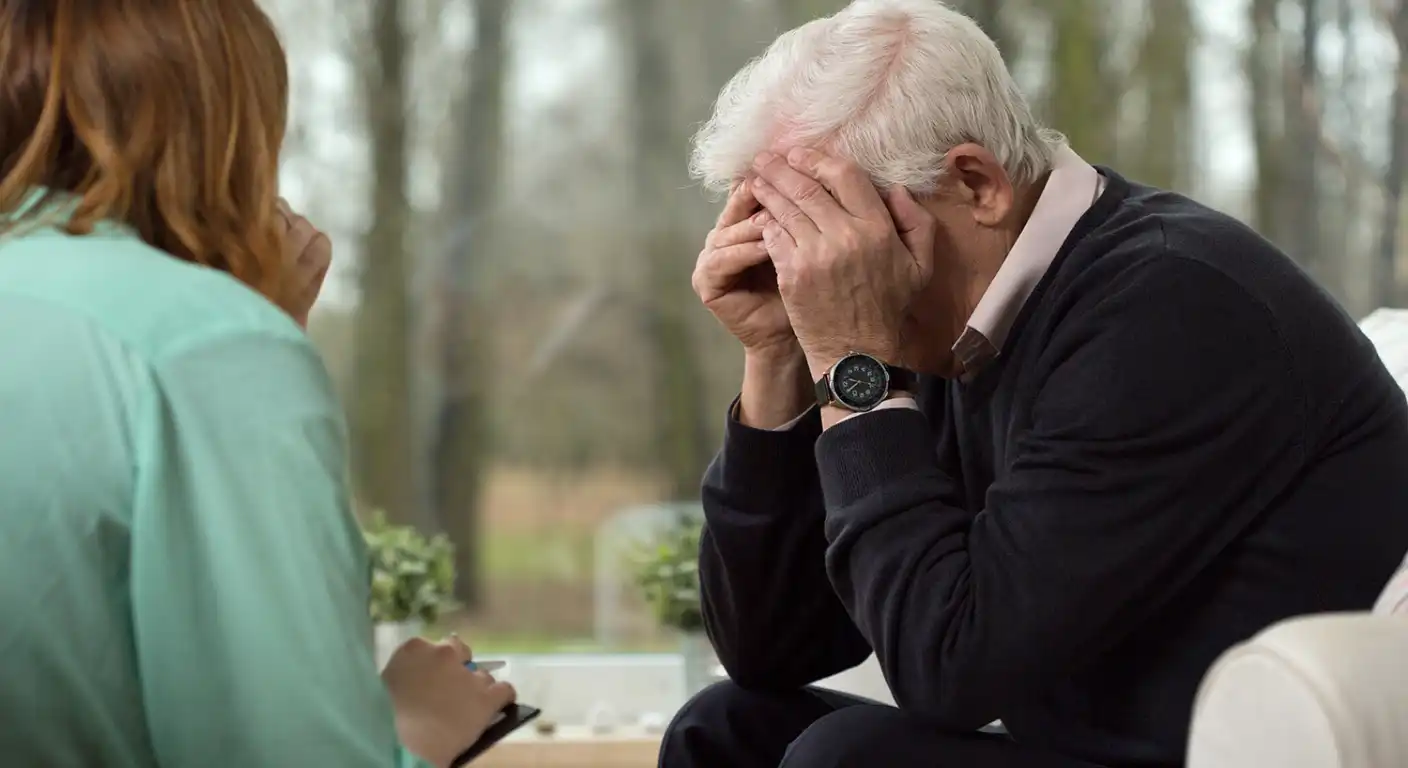
The cold months can make people withdraw indoors, and while that sounds cozy, it can also deepen loneliness. Winter isolation concerns are very real for seniors, especially when snow and ice limit mobility. Lack of interaction can impact emotional health, increase anxiety, and even affect appetite or sleep.
Staying socially connected takes intention during winter. Regular phone calls, video chats, or neighborly check-ins make a world of difference. Companionship, whether through friends, family, or professional caregivers, brings warmth that no blanket can match.
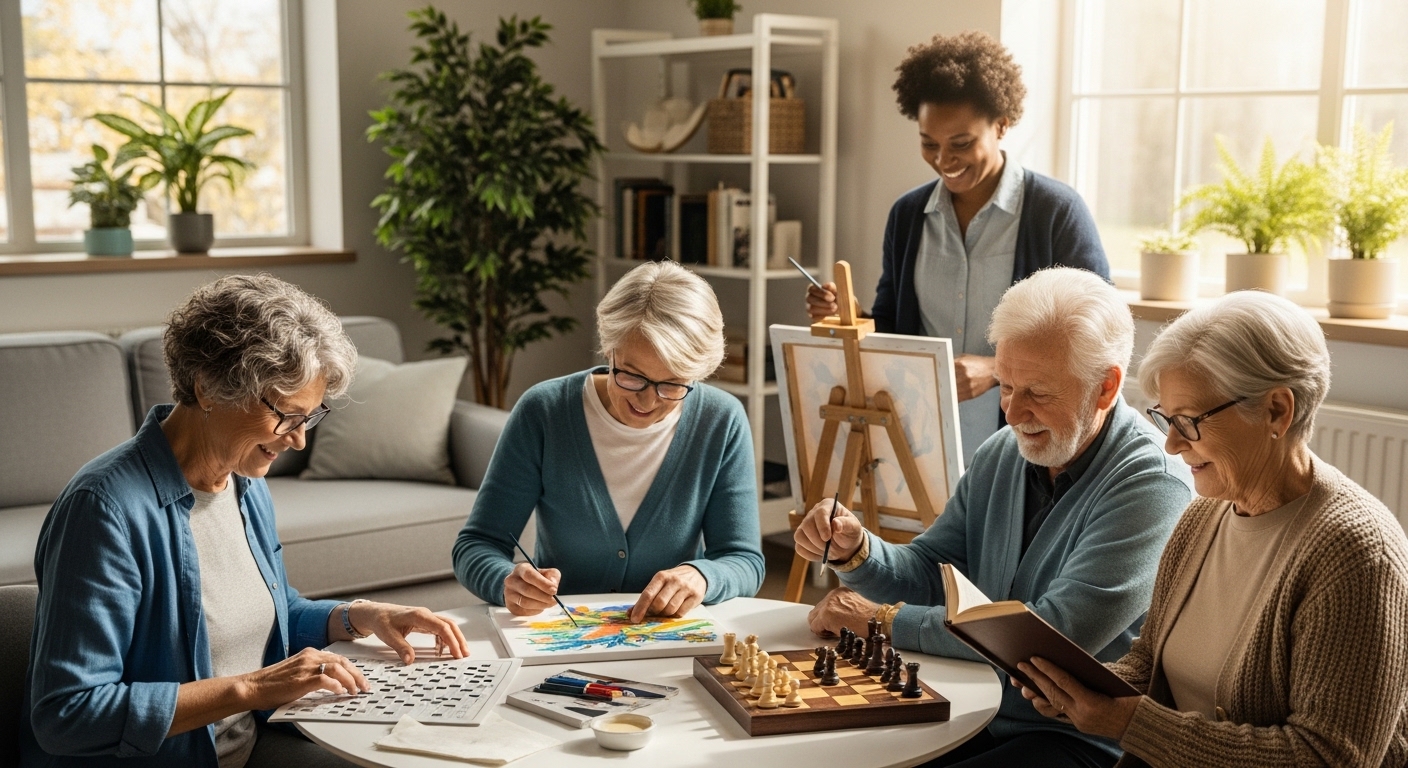
Simple routines like shared meals, reading together, or watching favorite shows can restore a sense of connection.
Emotional well-being is as vital as physical safety in the cold months. Remember, it’s not just about staying alive, it’s about staying connected and emotionally healthy, too.
Avoiding Hidden Dangers Indoors: How to Make Home Safer and Cozier This Winter
When we think of winter danger, we often look outside, but sometimes the home itself hides the bigger risks. Poor ventilation, blocked chimneys, and malfunctioning heaters are among the top winter hazards seniors face.
That’s why home safety checks before and during the cold months are crucial.
Carbon monoxide poisoning, for example, is a silent threat that can result from using fuel-burning heaters or fireplaces without proper airflow.
Seniors should have alarms installed in every room and batteries replaced regularly. Electrical cords for heating pads or blankets should also be inspected for damage.
Keeping walkways clear of clutter and ensuring rugs don’t slide will prevent falls indoors as well. Think of it this way: a well-prepared home is like a warm, safe cocoon.
It protects, comforts, and allows seniors to enjoy winter without constant worry.
Because Every Senior Deserves a Safe and Peaceful Winter
Winter should bring comfort, not concern. But for many older adults, the season brings real challenges that demand attention and care.
With thoughtful planning, awareness, and the right support, seniors can enjoy winter safely and confidently.
Here’s the truth; winter safety tips for elderly aren’t just a checklist. They’re a promise that aging doesn’t have to mean vulnerability. It’s about preserving independence, dignity, and peace of mind even when the snow falls hardest.
If you or someone you love needs help navigating the season, remember this: Winter brings unique challenges for seniors. One Stop Home Care Services provides winter weather assistance including safe transportation and indoor companionship. Keep your loved one safe this winter.
With care, compassion, and preparation, every senior can enjoy the quiet beauty of winter while staying warm, connected, and protected.