As we grow older, the familiar spaces in our homes can quietly transform into places filled with hidden challenges. Simple daily movements, walking to the kitchen for a glass of water, stepping into the shower, or navigating stairs at night, carry new risks that many of us never anticipated.
The emotional weight of this realization often hits families hard: the desire to protect independence clashes with the fear of injury or loss of dignity. Yet, creating a secure living space does not mean sacrificing comfort or familiarity. With thoughtful attention, homes can become havens that support strength, confidence, and peace of mind for years to come.
Home safety for seniors involves more than quick fixes. It calls for understanding how vision changes, reduced balance, and slower reflexes interact with everyday surroundings. Families who address these factors early often discover renewed freedom for their loved ones and reduced worry for themselves.
This guide explores practical steps drawn from real experiences and proven strategies, helping you build an environment where seniors feel empowered rather than restricted.
Understanding The Importance of Fall Prevention for Seniors Living Independently
Falls represent one of the most significant threats to senior well-being, yet many remain preventable through awareness and practical fall prevention strategies for elderly loved ones. Each year, millions of older adults experience falls that lead to serious injuries, hospital stays, or lasting declines in mobility.
Start by recognizing common patterns. Poor lighting, uneven surfaces, and cluttered pathways often contribute more than people realize. When families review their living spaces with fresh eyes, they frequently identify overlooked details that make a meaningful difference.
For instance, ensuring clear walkways allows confident movement without constant hesitation. This section lays the foundation for proactive fall prevention by connecting daily habits with long-term safety.
Senior Home Modifications That Enhance Daily Comfort and Security
Thoughtful changes to the physical structure and layout of a home can dramatically improve quality of life. These senior home modifications do not require complete renovations in most cases. Many involve affordable updates that blend seamlessly into existing décor while delivering substantial protection.
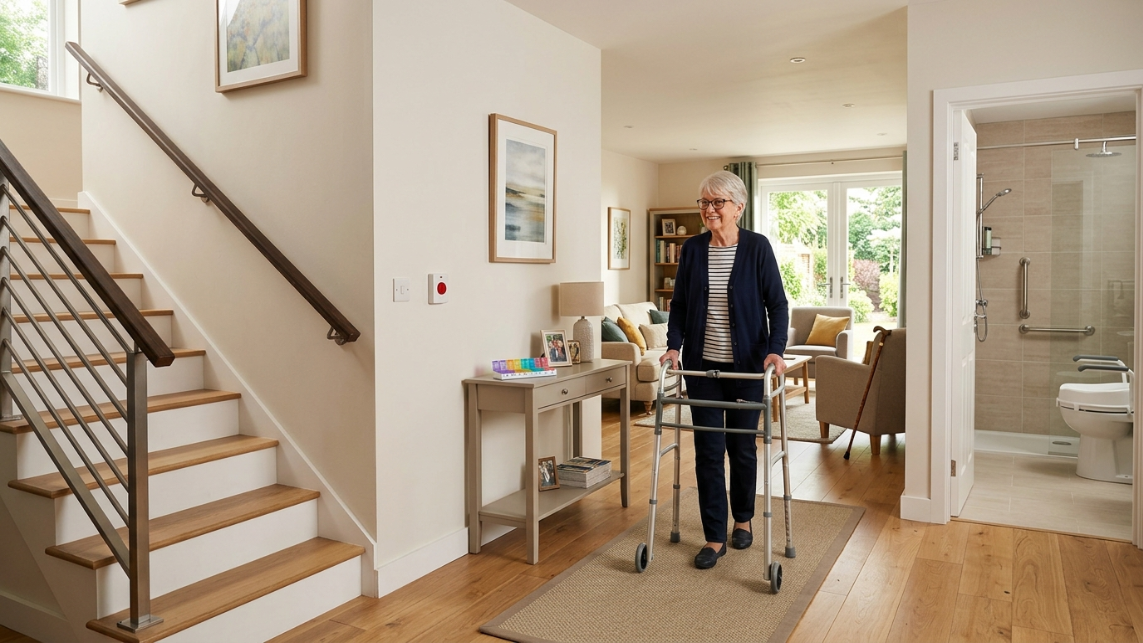
Consider widening doorways slightly or installing lever-style door handles that operate easily with limited grip strength. Adding ramps at entry points removes barriers for those using walkers or wheelchairs.
In living areas, rearranging furniture to create wider paths supports natural flow and reduces the need to maneuver around obstacles. Such adjustments honor the desire to remain in familiar surroundings while adapting to evolving needs.
Lighting deserves special attention throughout these modifications. Motion-sensor lights in hallways and bedrooms eliminate the need to fumble for switches in darkness. Brighter bulbs without glare help compensate for age-related vision changes. These seemingly minor details accumulate into a space that feels welcoming and reliable at every hour.
Essential Elderly Safety Tips for Every Room in The House
Practical elderly safety tips focus on consistency across different areas of the home. In the kitchen, store frequently used items at waist height to avoid dangerous reaching or bending. Stable step stools with handrails offer secure access when needed, but keeping essentials within easy reach proves wiser for daily routines.
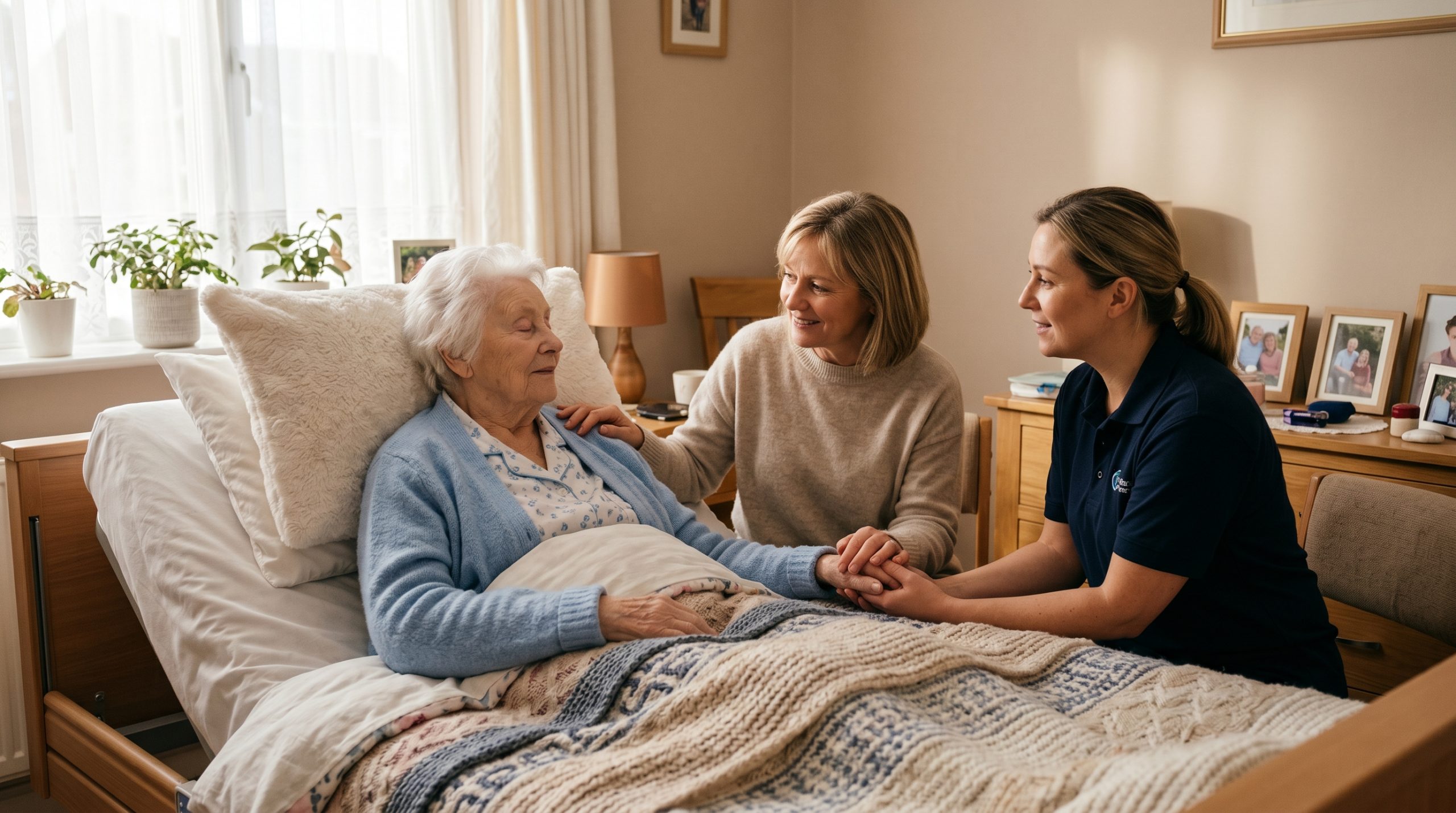
Bedrooms benefit from nightlights and bedside tables that keep phones, glasses, and medications close at hand. Beds at an appropriate height make getting in and out simpler without straining balance. In living rooms, secure rugs with non-slip backing or remove them entirely to create smooth surfaces underfoot.
Outdoor spaces matter equally. Well-maintained walkways, sturdy railings on porches, and adequate exterior lighting prevent accidents when stepping outside for fresh air or mail. Regular maintenance of these areas shows care and prevents small issues from becoming major hazards.
Addressing Bathroom Safety and Mobility Support Needs
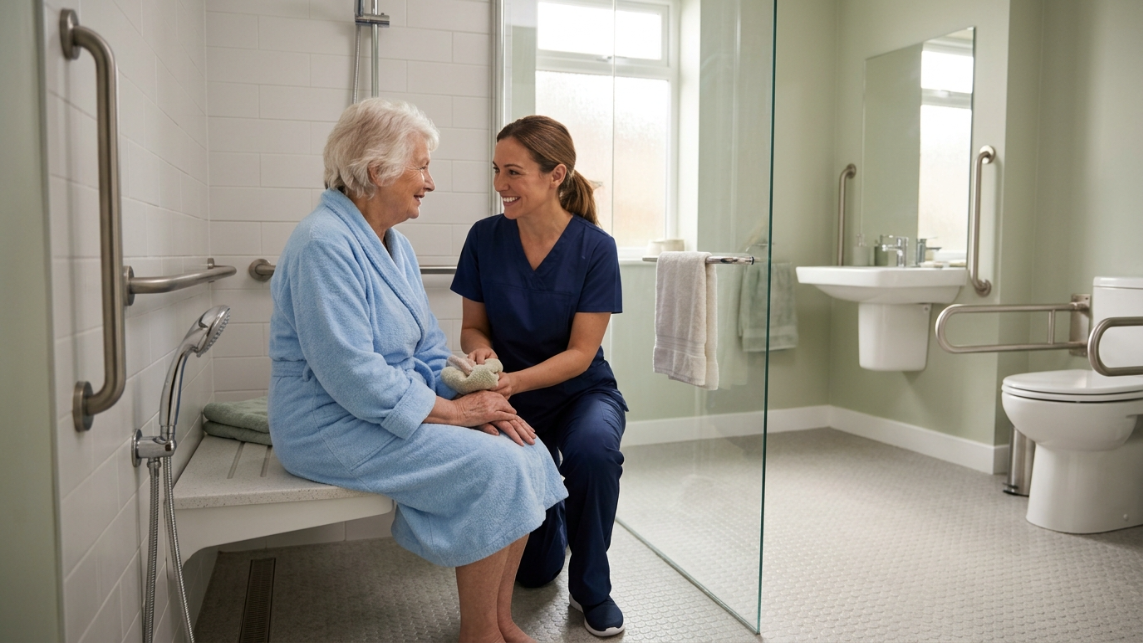
One critical area requires focused attention for reliable daily function, especially when implementing bathroom safety modifications for high-risk areas within the home. Installing grab bars near the toilet and in shower areas provides essential stability during transfers.
Non-slip mats or adhesive strips in wet zones add traction where it matters most. A handheld showerhead combined with a sturdy seat allows comfortable bathing while seated, reducing the risk of slips.
Mobility aids such as raised toilet seats or transfer benches further ease movement for those with joint limitations or reduced strength. These additions preserve privacy and independence while offering necessary support.
Families often report that once these features are in place, loved ones regain confidence in handling personal care routines without assistance.
Identifying And Removing Common Home Hazards
Many accidents stem from subtle environmental factors that develop gradually over time. Loose cords, worn carpeting, and unstable furniture create unnecessary risks. Taking time to systematically check each room helps eliminate these home hazards before they cause problems.
Electrical cords should run along walls rather than across pathways. Furniture that wobbles needs repair or replacement. Temperature settings on water heaters should stay at safe levels to prevent burns. Smoke and carbon monoxide detectors require regular testing and battery changes.
These steps reflect a commitment to vigilance that brings genuine reassurance.
Supporting Aging in Place Safety for Long-Term Independence
The goal for many seniors’ centers on remaining in their own homes as long as possible, and this becomes far more achievable with the right planning and assistive devices every senior home should have to support changing mobility and daily safety needs.
Rather than waiting for an incident to occur, regular assessments, ideally every six months, allow families to make timely adjustments and address emerging needs before they become serious problems.
Professional evaluations from occupational therapists often uncover subtle risks and practical solutions that even the most attentive family members might overlook. Simple yet effective additions, such as contrasting tape on stair edges to improve visibility, along with lever-style faucets and rocker light switches, significantly reduce physical effort and daily strain.
Each thoughtful improvement builds a stronger sense of security and autonomy, helping seniors maintain their independence, dignity, and connection to cherished memories within their familiar home.
Maintaining A Safe Home Environment Through Ongoing Care
Safety requires sustained effort rather than one-time projects. Seasonal reviews help catch new issues that emerge with weather changes or shifting family dynamics. Encouraging open conversations about comfort levels allows seniors to express concerns without feeling burdensome.
Community resources, exercise programs focused on balance, and regular vision and hearing checkups complement physical home adjustments. When combined, these elements create a comprehensive approach that addresses both the environment and personal well-being.
Creating home safety for seniors represents an act of profound love and respect. It acknowledges the wisdom and history held within these walls while ensuring they continue to shelter and nurture those who have given so much. Through careful planning and consistent attention, families build spaces where independence flourishes and cherished moments multiply.
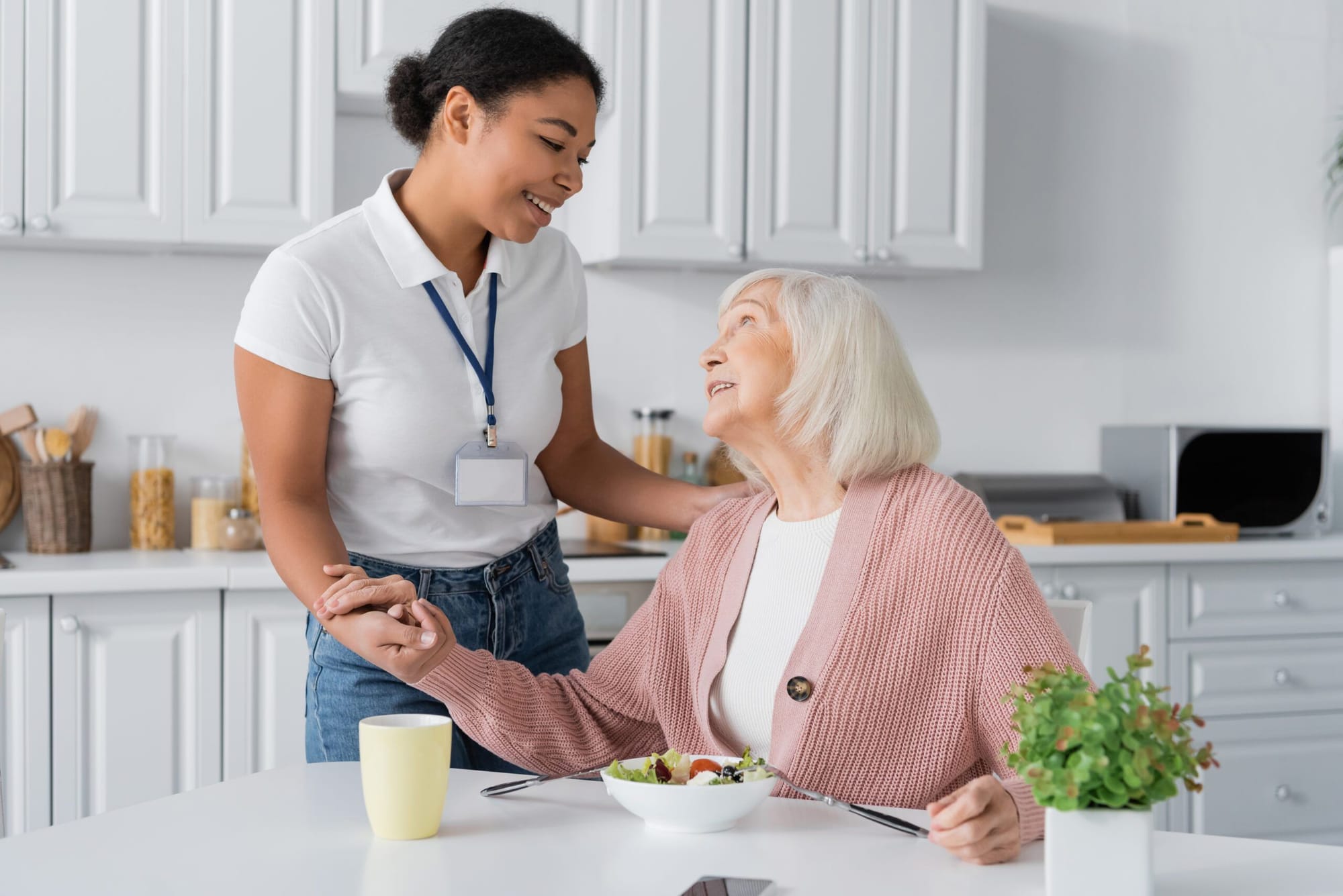
With One Stop Home Care Services, you gain a trusted partner dedicated to supporting these efforts and enhancing quality of life in Connecticut homes. Contact our team to learn how thoughtful in-home support can help your loved one stay safe, comfortable, and independent.