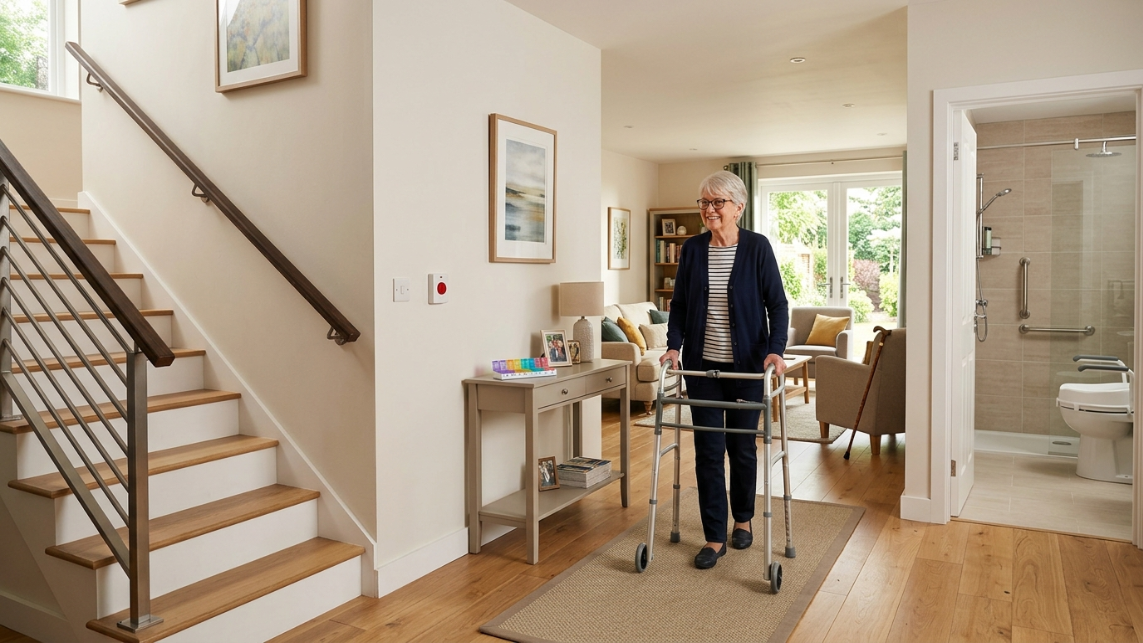
Watching a parent grow older brings a mix of gratitude for the years shared and quiet concern for the changes you begin to notice. The person who once managed everything with quiet strength now moves more slowly, forgets small details, or seems less like themselves.
These moments stir deep love mixed with worry, wondering if they are truly okay living as independently as they always have. Many adult children face this crossroads, balancing respect for their parent’s dignity with the responsibility to ensure their safety and well-being. It is a deeply personal journey; one filled with emotion and practical questions about what comes next.
As families navigate these shifts, recognizing the signs parent needs home care becomes essential for making informed, compassionate decisions. Early awareness prevents small issues from escalating and helps preserve the independence your loved one values so much.
This blog explores the key indicators with care and clarity, offering guidance drawn from real experiences many families encounter.
Understanding Elderly Care Warning Signs That Appear in Everyday Routines
One of the first places changes show up involves routine activities that once felt automatic, often becoming the starting point for families learning how to talk to your parents about needing home care. You might notice your parent struggling with tasks they handled effortlessly for decades. These elderly care warning signs often start subtly but grow more noticeable over time.
Physical mobility frequently provides early clues. Difficulty rising from a chair, navigating stairs, or walking steadily across a room can signal weakening muscles or balance problems. A parent who once took daily walks might now hesitate to leave the house, or you may spot unexplained bruises from minor falls.
Such incidents deserve attention because falls remain a leading cause of injury among older adults, often leading to fractures that complicate recovery and independence.
Beyond movement, household management offers important insights. Piles of unopened mail, missed appointments, or forgotten bills point to challenges with organization and memory. These are not mere signs of normal aging but practical indicators that additional support could prevent bigger problems, such as financial oversights or missed medical care.
Families often describe a quiet realization during visits: the home that always felt warm and orderly now shows small signs of neglect. A refrigerator containing expired food or laundry left undone speaks volumes. Observing these patterns with empathy allows families to respond thoughtfully rather than react in crisis.
When To Get Home Care: Physical and Health-Related Aging Parent Red Flags
Physical health changes rank among the clearest moments for considering outside help. Persistent fatigue, unintended weight loss, or trouble preparing meals often indicate that daily demands have become overwhelming. A parent who skips meals or relies on convenience foods may lack the energy or confidence to maintain proper nutrition.
Medication management presents another critical area. Forgetting doses, doubling up on pills, or becoming confused about prescriptions poses serious risks, especially with multiple chronic conditions common in later years.
When you notice pill organizers left untouched or hear repeated questions about when to take medicine, these serve as practical aging parent red flags that professional assistance can address safely.
Chronic conditions like arthritis, heart disease, or diabetes require consistent monitoring. Frequent doctor visits, emergency room trips, or slow recovery from minor illnesses suggest the current level of support may no longer suffice. Professional caregivers bring expertise in helping manage these conditions while encouraging daily movement and proper rest.
Transportation challenges also arise naturally. Reluctance to drive, especially at night or in bad weather, or dents on the car that go unexplained, highlight safety concerns. Arranging rides for appointments or errands can ease this burden while reducing isolation.
Cognitive Changes and Memory Concerns That Warrant Attention
Memory lapses that interfere with daily life differ from occasional forgetfulness. Repeating the same stories, struggling to find words, or becoming disoriented in familiar places represent more significant shifts. These senior decline indicators can create anxiety for both the parent and family members who worry about safety when alone.
Confusion about time or place, such as mixing up days for appointments or calling family at odd hours, adds emotional strain. While not every instance signals a serious condition, patterns that affect decision-making deserve gentle exploration with healthcare professionals.
In these situations, compassionate support helps maintain dignity. A trained companion can provide reminders, engage in meaningful conversation, and offer reassurance without making the individual feel incapable.
Personal Hygiene and Self-Care Challenges as Important Indicators
Declines in personal care often emerge gradually. Clothing worn multiple days, infrequent bathing, or neglected grooming can stem from physical difficulty, memory lapses, or even mild depression.
These changes affect health and self-esteem, making them significant elderly care warning signs.
Noticing strong body odor, unkempt hair, or dental issues during visits calls for sensitive conversation.
Many parents feel embarrassed to ask for help, viewing it as a loss of independence. This is why talking to aging parents about accepting home care requires patience, empathy, and reassurance that support is meant to preserve dignity rather than take it away.
Nutritional Decline, Weight Changes, And Eating Habits
Sudden weight loss or gain often signals underlying issues with shopping, cooking, or appetite. pantries with little fresh food or reliance on the same simple meals week after week may indicate fatigue or forgetfulness around meal preparation.
Poor nutrition weakens immunity and slows healing, creating a cycle that further limits independence. Gentle encouragement through shared meals or prepared nutritious options can restore balance while preserving enjoyment of food.
Social Withdrawal, Emotional Shifts, And Signs of Loneliness
Many older adults gradually reduce social activities as mobility or confidence decreases. Canceling plans with friends, stopping hobbies, or seeming less engaged during family gatherings can reflect isolation that impacts mental health.
Mood changes, increased irritability, or expressions of hopelessness deserve compassionate attention. These emotional signals sometimes connect to physical discomfort or fear of burdening loved ones. Regular, warm interaction from a caring companion often lifts spirits and provides much-needed connection.
Caregiver burnout signs appear when family members feel constantly exhausted, anxious, or resentful while trying to manage work, their own families, and parental care. Recognizing this strain early prevents health issues for everyone involved.
Addressing Home Safety Concerns and Environmental Risks
Cluttered pathways, poor lighting, loose rugs, or forgotten appliances left on can quickly turn into serious hazards for aging parents. As balance and awareness naturally decline, these home safety concerns become far more pressing and increase the risk of falls or accidents. Many seniors fail to notice these dangers until an incident occurs.
A professional home safety assessment can identify hidden risks and recommend simple, practical modifications, such as installing brighter lighting, removing trip hazards, adding grab bars, or using automatic shut-off devices.
These thoughtful changes significantly enhance security while allowing your loved one to remain safely and comfortably in their own home.
Making The Thoughtful Decision to Seek Home Care Support
Deciding to bring in help marks an act of love, not defeat. It allows your parent to remain in the familiar comfort of home while receiving personalized assistance with daily needs. Professional caregivers offer companionship, help with light housekeeping, meal preparation, medication reminders, and transportation, all while honoring dignity and independence.
Families who decide to seek support often spend time researching how to choose the right home care provider so their loved one receives compassionate assistance that truly fits their personality, routines, and daily needs.
Staying attentive to the signs parent needs home care empowers families to provide the best possible support during life’s later chapters.
With One Stop Home Care Services, you gain a trusted partner dedicated to compassionate, reliable in-home support in Connecticut that respects your loved one’s individuality and enhances daily comfort.
Taking this step preserves independence while ensuring peace of mind for the entire family. Contact One Stop Home Care Services to learn how compassionate in-home support can help your loved one live safely and comfortably at home.