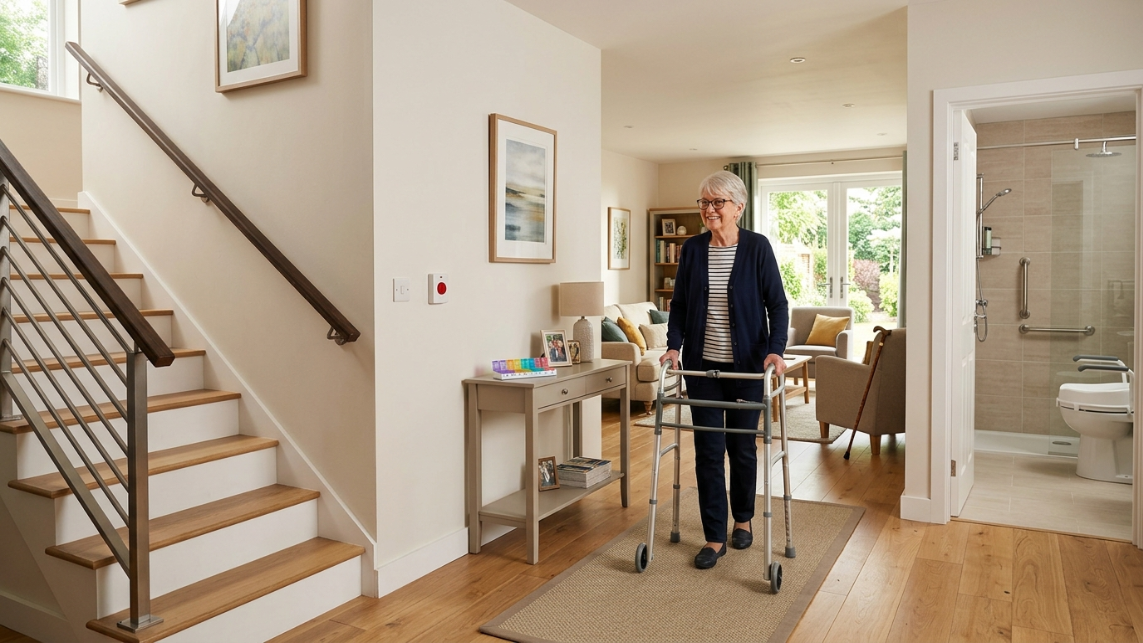
Imagine watching a parent or spouse struggle with everyday tasks that once came so easily, preparing a simple meal, getting dressed safely, or even remembering to take daily medications.
The worry settles in deeply, mixing love with concern for their safety and well-being. You want them to stay in the home they cherish, surrounded by familiar memories and the independence that defines their dignity.
Yet questions about practicality linger, especially around finances. Many families in Connecticut face this exact crossroads, seeking reliable support that honors their loved one’s life while fitting within a realistic senior care budget.
Home care services cost in Connecticut families an average of $30 to $33 per hour for non-medical assistance, depending on the provider, location, and specific needs. This investment often proves more manageable and emotionally rewarding than alternatives like facility-based care.
Understanding these costs helps families plan thoughtfully, avoid surprises, and focus on what truly matters: quality time and peace of mind. In this guide, we explore the real numbers, influencing factors, and smart strategies so you can make informed decisions that support independence at home.
Why Families in Connecticut Choose In-Home Support for Seniors and Loved Ones
Staying at home offers a profound sense of comfort that no other setting can match and plays a key role in financial planning for senior care costs beyond just immediate medical or household expenses.
Familiar routines, favorite chairs, and neighborhood connections preserve emotional health and reduce stress for everyone involved.
Families often notice improved moods, better sleep, and stronger family bonds when care comes to the door rather than relocating a loved one.
This choice also promotes greater independence. A companion can assist only where needed, perhaps with light housekeeping or meal preparation, while the individual handles personal decisions.
Many seniors report feeling empowered rather than dependent. Health outcomes frequently improve too, as consistent one-on-one attention catches small issues early and encourages daily movement in a safe environment.
Compared to nursing homes, in-home care frequently delivers these advantages at a lower overall expense for part-time or moderate needs. It allows families to scale support gradually, paying only for hours required instead of fixed daily facility rates that can exceed $300. For Connecticut residents who value roots and community, this path aligns with cultural priorities of family-centered aging.
Breaking Down Home Care Rates Across Different Service Types in Connecticut
Non-medical home care typically includes companionship, meal preparation, errands, bathing assistance, and light housekeeping. Many families comparing service levels also explore medicare and private pay options for senior care to better understand how different funding sources may affect long-term affordability.
Companion or homemaker services often start lower, near $25–$32, while personal care aides providing hands-on help with daily living activities may reach $34 or more.
Skilled services, such as nursing visits or therapy, cost significantly more but Medicare may cover them under certain conditions for short-term recovery.
Live-in care, where a caregiver stays overnight, shifts to daily rates, often $250–$350 per 24-hour period. Families evaluating more extensive support needs should carefully review 24-hour home care costs and considerations before deciding on the best long-term arrangement.
Elderly care pricing reflects these differences clearly. A few hours several times a week for companionship might total $400–$800 monthly. Full-time daily support (40+ hours) can approach $5,000–$6,000 monthly, though many families blend paid care with family help to manage senior care budget realities.
How Location Within Connecticut Influences Elderly Care Pricing
Costs differ notably across regions due to local economies and demand. Urban areas like Fairfield County or near Stamford often see higher rates, sometimes $35+ per hour, because of elevated living expenses and caregiver wages. New Haven and Hartford areas may average closer to $22–$28 per hour for similar services.
Rural or smaller towns can offer slightly lower figures, though availability might require more planning. Families in Norwalk or surrounding areas frequently balance these variations by comparing local providers and considering travel time for caregivers, which some agencies factor into quotes.
Understanding your specific community helps set accurate expectations. A consultation with providers serving your zip code reveals precise local home care rates and options.
Key Factors That Shape Home Care Services Cost Connecticut Families Pay
Several practical elements determine final expenses. The level of care needed stands as the primary driver, minimal companionship costs less than extensive personal assistance for mobility or memory support. Frequency and duration matter too: occasional visits differ greatly from round-the-clock coverage.
Caregiver experience and agency standards also play roles. Licensed agencies with background checks, training, and insurance may charge more than independent arrangements, yet they provide reliability and accountability that many families prioritize for peace of mind.
Additional considerations include:
- Time of day or weekend needs, which sometimes carry premiums.
- Specialized expertise for conditions like dementia.
- Transportation or shopping assistance.
Inflation and workforce availability in Connecticut have pushed rates upward in recent years, similar to national trends. Planning ahead and reviewing needs regularly keeps costs aligned with actual requirements.
Creating A Realistic Senior Care Budget That Works for Your Family
Start by assessing current and anticipated needs honestly. Track a typical week to identify genuine support hours required. Many families begin with 10–20 hours weekly and adjust as circumstances change.
Consider mixing options: family members handle some tasks while professionals manage medical or personal care elements. This hybrid approach stretches resources effectively while keeping loved ones engaged with relatives.
Longer-term planning proves essential. Reviewing assets, exploring insurance, and consulting financial advisors early prevents last-minute stress. Some families set aside dedicated savings or explore reverse mortgages thoughtfully, always weighing impacts on overall security.
Affordable home care becomes more achievable when viewed as an investment in health and happiness rather than mere expense. Preventing falls, hospitalizations, or premature facility moves often saves thousands in the long run.
Exploring Payment Options and Resources Available In Connecticut
Private pay covers many situations, yet multiple avenues exist to ease the burden. Long-term care insurance, purchased earlier in life, can offset significant portions when needs arise. Review policy details carefully for home care coverage.
Government programs offer vital support. The Connecticut Home Care Program for Elders (CHCPE) assists qualifying seniors 65+ who face nursing home risk, providing case management and services on a sliding scale. Medicaid through HUSKY Health serves lower-income individuals, covering substantial home-based care for eligible applicants.
Medicare covers limited skilled home health for short periods following hospitalization or doctor orders. Veterans and their spouses may access VA benefits for home assistance. Community organizations and local Area Agencies on Aging also connect families to grants or respite programs that give caregivers breaks.
Combining these resources thoughtfully can make quality support sustainable.
Comparing In-Home Care Expenses to Other Senior Living Choices
Nursing home care in Connecticut often exceeds $10,000–$12,000 per month for semi-private rooms, with private accommodations costing even more. Assisted living facilities typically fall in between but require seniors to leave their beloved homes and adjust to new routines with less personal freedom.
In contrast, in-home care gives families greater control over spending while allowing loved ones to remain in their familiar environment. For moderate needs, this option frequently delivers lower overall costs and superior emotional benefits, as families consistently report higher satisfaction when their loved one stays at home with personalized attention.
Practical Steps to Manage Care Service Expenses Effectively
Open communication with providers about your budget constraints is essential. Many agencies work creatively to design suitable solutions that meet both care needs and financial limits. Request detailed quotes that clearly break down all services and hourly rates.
Don’t hesitate to ask about package discounts for consistent weekly schedules, which can lead to meaningful savings.
Regular care plan reviews ensure the support provided continues to match your loved one’s evolving needs, avoiding payment for unnecessary hours. Building a strong network of family members, neighbors, and community volunteers can also supplement professional care, lowering overall costs while keeping your loved one socially connected.
Senior care investment delivers lasting value through preserved dignity, fewer health issues, and stronger family well-being.
Moving Forward with Confidence in Your Care Decisions
Understanding the true home care services cost in Connecticut families face is the first step toward making thoughtful, confident choices for your loved ones. While the numbers may initially feel overwhelming, they represent far more than an expense, they reflect an investment in safety, dignity, independence, and peace of mind.
With the right information, families can create sustainable plans that balance quality care with financial responsibility, avoiding unnecessary stress during an already emotional time.
Every senior deserves to age gracefully in the comfort of their own home, surrounded by familiar memories and the freedom they value.
By planning ahead, exploring available resources, and choosing compassionate support, you can protect both your loved one’s well-being and your family’s future. Quality in-home care often proves to be the most heartfelt and cost-effective solution in the long run.
At One Stop Home Care Services, we are committed to guiding Connecticut families through these important decisions with clarity, care, and genuine support. Contact our team to explore care options that fit your loved one’s needs and your family’s budget with confidence.