Aging doesn’t have to mean slowing down mentally or emotionally. In fact, staying active—both physically and mentally—is one of the best ways for older adults to enjoy a fulfilling, independent life. The right activities for elderly at home not only bring joy and purpose but also keep the mind alert, memory sharp, and spirits high.
Whether it’s painting, gardening, puzzles, or reminiscing through music, these moments of engagement are far more than just “pastimes.” They can help prevent cognitive decline, improve emotional well-being, and even strengthen relationships with loved ones and caregivers.
What’s important to understand is that hobbies and structured activities can become a powerful tool for healthy aging—something that nurtures both body and mind. Let’s explore how staying mentally active can transform daily life for seniors, and why the smallest activity can make the biggest difference.
Why Engaging in Daily Activities for Elderly at Home Boosts Well-Being
Keeping the mind and body busy is essential for seniors, especially those who spend most of their time at home. Regular activities for elderly at home serve as an activity as prevention strategy—helping reduce the risk of depression, anxiety, and even dementia.
When seniors engage in meaningful routines—like journaling, reading, or tending to plants—it gives them a sense of structure and accomplishment. Simple, purposeful activities help stimulate memory, coordination, and emotional satisfaction. It’s not about “keeping busy.” It’s about doing something that feels rewarding and purposeful.
And here’s the thing: regular engagement isn’t just a mental boost. Studies show that seniors who remain active also experience better sleep, improved appetite, and stronger immune systems. It’s a whole-body benefit that starts with something as simple as a morning crossword or a walk with a caregiver.
The Power of Senior Hobbies: Building Joy and Purpose in Everyday Life
Many older adults underestimate how powerful senior hobbies can be for their emotional health. Whether it’s crafting, sewing, cooking, or painting, hobbies promote a sense of individuality and pride. For those coping with limited mobility or the loss of independence, hobbies become an important emotional anchor—a way to reconnect with personal identity and find joy in daily life.
Engaging in a favorite activity can spark memories, bring laughter, and encourage creativity. These hobbies often lead to activities improving mood, reducing loneliness and giving seniors a reason to look forward to each day. For example, a senior who once loved cooking might enjoy assisting in meal prep with the help of a caregiver, while another may find peace in sketching or organizing old photographs.
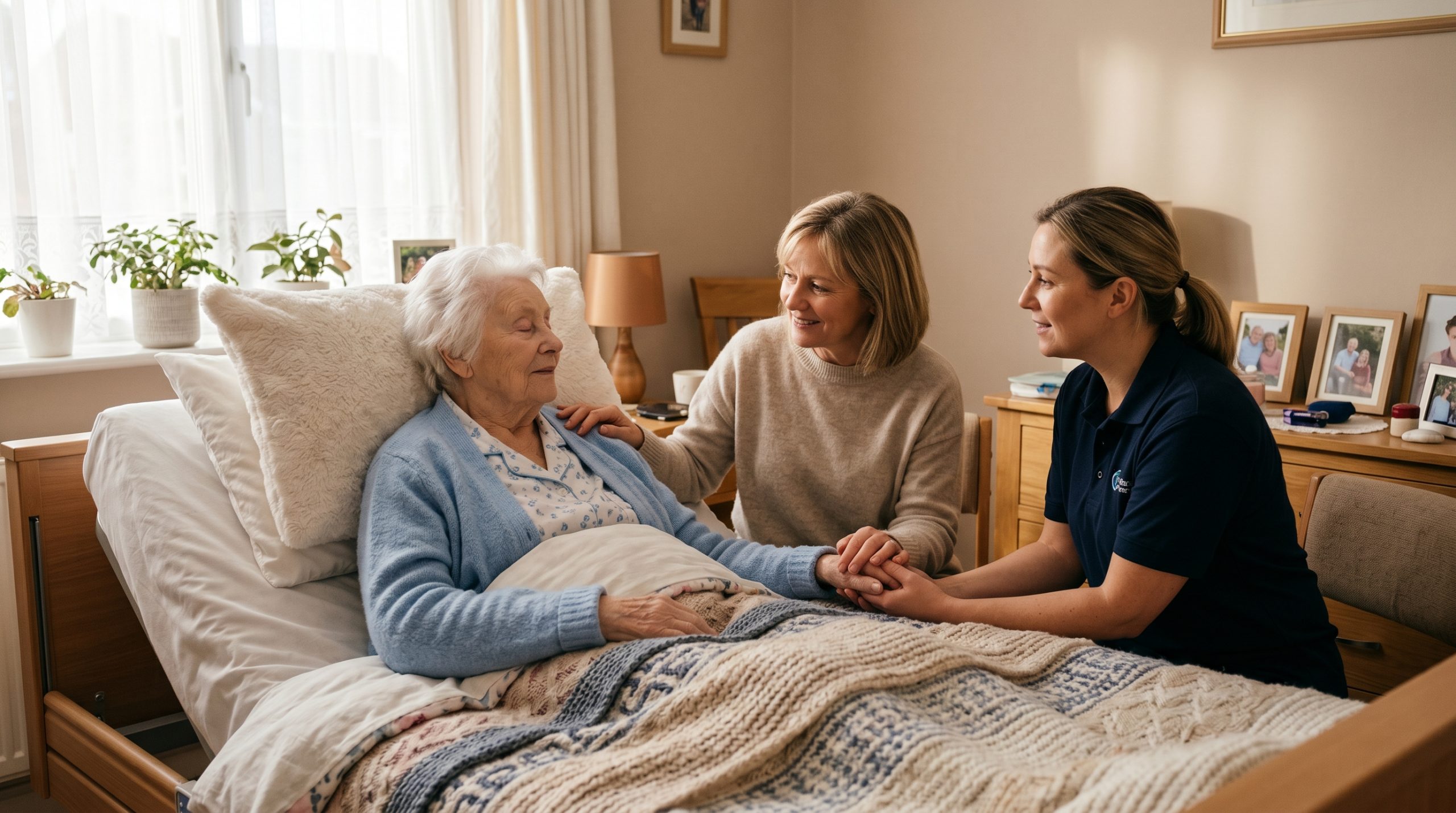
Caregivers can play a big role here, too. Through engaging activities with caregiver, seniors can rediscover confidence and joy while maintaining a sense of companionship and connection.
Cognitive Activities for Seniors: Stimulating Memory and Mental Sharpness
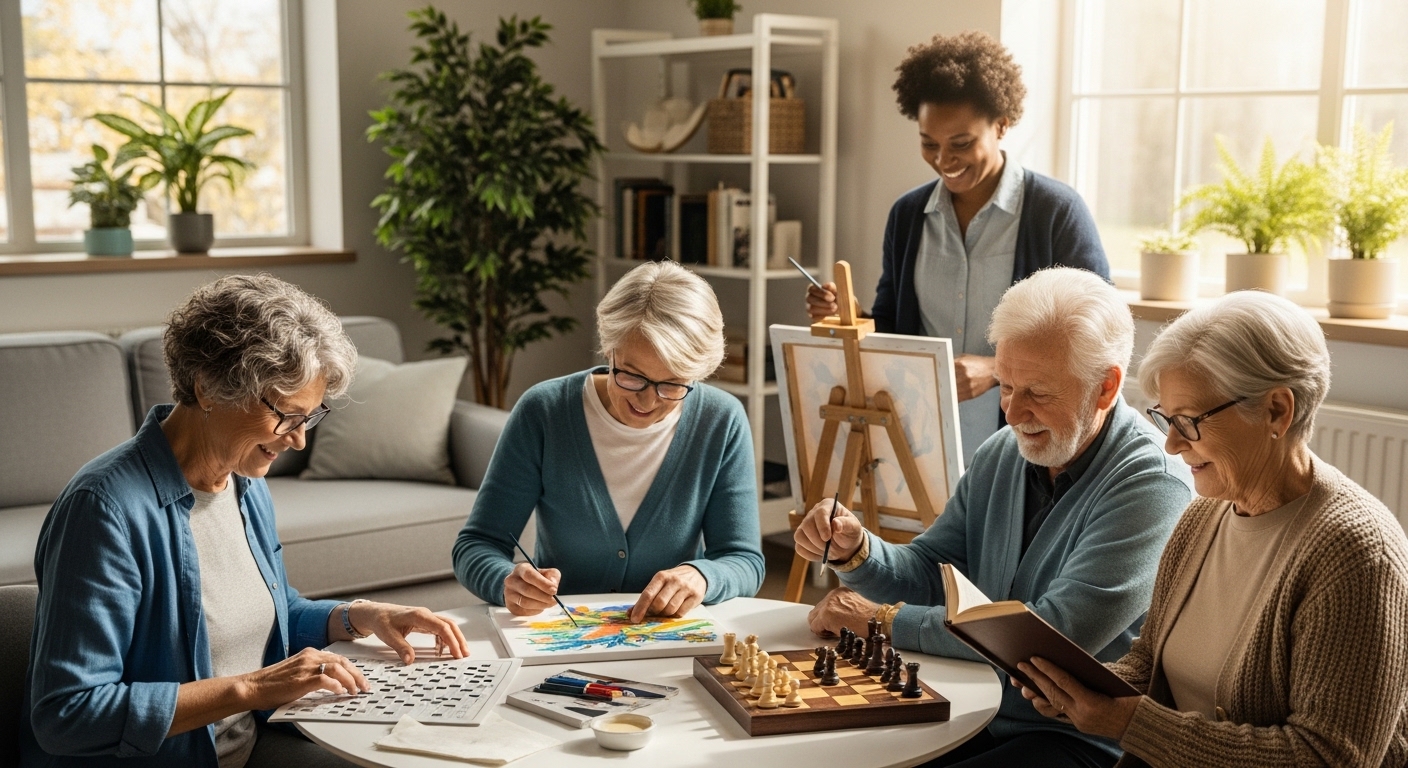
The mind needs exercise just like the body. That’s where cognitive activities for seniors come in. These are tasks that challenge thinking, problem-solving, and memory—like word searches, trivia games, or simple puzzles. Regular cognitive stimulation keeps the brain active and may slow down age-related decline.
This is where cognitive stimulation importance really shows. Games like Sudoku, matching cards, or learning a new language stimulate multiple areas of the brain. Even reminiscing—talking about old memories and past experiences—helps strengthen memory recall and emotional resilience.
Caregivers often use brain games for seniors or memory activities elderly to make mental engagement fun rather than clinical. The goal isn’t perfection—it’s participation. Every time a senior engages in a stimulating conversation, solves a riddle, or learns a new skill, they’re actively promoting cognitive health and mental flexibility.
Creative Activities and Hobbies That Nurture the Mind and Spirit
Creativity is ageless. Many seniors find new joy in creative activities aging—from painting and knitting to writing poetry or playing music. These forms of self-expression encourage emotional release and help relieve stress.
Art-based hobbies, for example, don’t just entertain; they improve fine motor skills, hand-eye coordination, and confidence. Music, in particular, has been shown to enhance memory and lift mood among older adults with dementia or mild cognitive impairment.
For those who prefer something more hands-on, senior crafts such as flower arranging, scrapbooking, or clay work provide both sensory and emotional satisfaction. These creative sessions can easily be adapted with engaging activities with caregiver support, ensuring safety while maintaining independence.
Every creative outlet reminds seniors that aging doesn’t mean limitation—it means rediscovery. The goal is not perfection, but participation and connection.
Purposeful And Physical Activities That Support Long-Term Health
Purpose-driven activities are powerful for emotional stability and cognitive resilience. Volunteering, mentoring, or teaching a skill can restore a sense of belonging and meaning. These purposeful activities aging not only encourage movement but also inspire interaction and contribution.
Pairing mental and physical engagement—such as light gardening, chair yoga, or dance—creates the ultimate balance for well-being. These routines stimulate blood flow to the brain, improve flexibility, and help regulate mood. In addition, physical exercise paired with cognitive activities seniors strengthens both body and mind, making it a holistic approach to healthy aging.
Regular movement, combined with stimulating conversation or problem-solving tasks, can serve as some activities as prevention strategy—reducing risks of memory loss, heart disease, and depression. Every small step counts.
How Caregivers Encourage Participation Through Companionship and Routine
Seniors thrive when there’s emotional support and encouragement from those around them. Caregivers play a vital role in keeping older adults mentally active through personalized routines and compassionate companionship.
Building trust and consistency through relationship building with caregiver makes it easier to introduce new activities and maintain engagement. This partnership fosters motivation and emotional stability. Whether it’s cooking together, listening to music, or sharing stories, these shared experiences strengthen the connection between senior and caregiver.
For those struggling with memory decline, caregivers also focus on cognitive stimulation importance—adapting activities based on energy levels and mental capacity. Their presence ensures safety, while their encouragement keeps seniors active, connected, and confident.
Turning Everyday Moments into Meaningful Connections
What this really means is that staying active doesn’t always require a strict plan or schedule. Sometimes the most beneficial activities for elderly at home are the simplest—chatting over coffee, folding laundry together, or reminiscing about family memories. These daily interactions may seem small but have a big emotional impact.
They reduce isolation, stimulate the mind, and create feelings of comfort and familiarity. And when paired with dedicated companionship care, they ensure that every moment feels purposeful, safe, and emotionally enriching.
Even ten minutes of meaningful activity can turn an ordinary afternoon into something memorable and fulfilling for a senior.
A Compassionate Approach to Encouraging Activities for Elderly at Home
Staying active—mentally, emotionally, and socially—isn’t just a hobby; it’s a lifeline for older adults. The right activities for elderly at home can spark joy, sharpen the mind, and strengthen emotional well-being. With the help of compassionate caregivers, these moments of engagement become more accessible, enjoyable, and consistent.
Whether it’s through senior hobbies, gentle exercise, or shared laughter, keeping the mind active creates a deeper sense of purpose and connection. Remember, every activity—no matter how small—can make a big difference in maintaining mental sharpness and emotional balance.
Keep minds sharp and spirits bright! One Stop Home Care Services caregivers engage seniors in meaningful activities tailored to their interests. Call us to create a personalized engagement plan.