A healthy smile isn’t just about appearance—it’s about comfort, confidence, and overall well-being. Yet for many older adults, oral care becomes more challenging with time. Daily routines that once felt simple, like brushing or flossing, can become harder due to mobility issues, sensitive gums, or dental wear.
The truth is, neglecting oral health in the later years can lead to complications that affect more than just the mouth—it can impact nutrition, self-esteem, and even social engagement. We understand that dental care for elderly individuals requires patience, empathy, and consistent attention. Seniors deserve care that preserves their dignity while keeping their smiles strong and healthy.
Whether it’s assistance with brushing, denture maintenance, or scheduling dental checkups, having the right support makes all the difference. Let’s break down what senior oral health really involves—and how small steps can lead to lasting comfort and confidence.
Understanding Common Challenges in Senior Oral Health and Their Solutions
As we age, our mouths change—sometimes subtly, sometimes dramatically. Senior oral health is about managing these changes before they turn into major problems. Many elderly individuals deal with gum recession, weakened enamel, or tooth sensitivity.
Add to that years of wear and tear, and maintaining dental strength becomes a challenge. One major concern is the impact of dental health on eating. When chewing becomes painful or teeth are missing, nutrition can decline. Seniors may avoid crunchy fruits or lean meats, leading to nutrient gaps.
Another common issue is medications causing dry mouth, which can increase the risk of cavities and infections since saliva plays a crucial role in protecting the teeth and gums. Caregivers can help by monitoring symptoms, encouraging hydration, and ensuring dental visits are regular.
Preventive attention keeps small issues—like mild bleeding or discomfort—from turning into serious oral health complications.
Tackling Elderly Dental Problems: From Gum Disease to Tooth Loss Prevention
When we talk about elderly dental problems, we’re not just referring to toothaches. It’s often about conditions like gum disease in seniors, which can silently progress for years without obvious pain. Swollen gums, persistent bad breath, or loosening teeth are warning signs that shouldn’t be ignored.
Tooth loss prevention starts with consistent cleaning routines. Seniors who struggle with mobility or coordination might skip brushing, which leads to plaque buildup. This is where caregivers can step in to offer assistance with daily oral hygiene, ensuring proper brushing and flossing even when physical limitations exist.
Another key point is using the right products. Soft-bristled brushes, fluoride toothpaste, and mouth rinses designed for sensitive gums can make a noticeable difference. Combining these habits with a comprehensive hygiene approach—regular cleanings, balanced nutrition, and monitoring dental changes—helps seniors retain natural teeth longer and enjoy better quality of life.
Denture Care for Seniors: Ensuring Comfort, Cleanliness, And Confidence
For those who wear dentures, maintaining them isn’t just about looks—it’s about daily comfort. Denture care for seniors plays a major role in preventing sores, infections, and discomfort that can make eating or speaking difficult. Properly fitted dentures help restore function and confidence, while poor maintenance can cause irritation or bacterial growth.
Here’s the thing—dentures need more attention than many realize. They should be removed and cleaned daily, stored in water or a special solution overnight, and brushed gently with a soft brush. Over time, they may need refitting as gums and bone structures shift.
It’s also important to be aware of dry mouth in elderly individuals, which can make dentures uncomfortable and increase friction. Regular dental checkups help ensure dentures fit properly and that any signs of soreness or fungal infection are addressed early. Consistent care leads to more comfortable smiles and better oral hygiene overall.
Promoting Good Dental Hygiene in Aging Adults with Caregiver Support
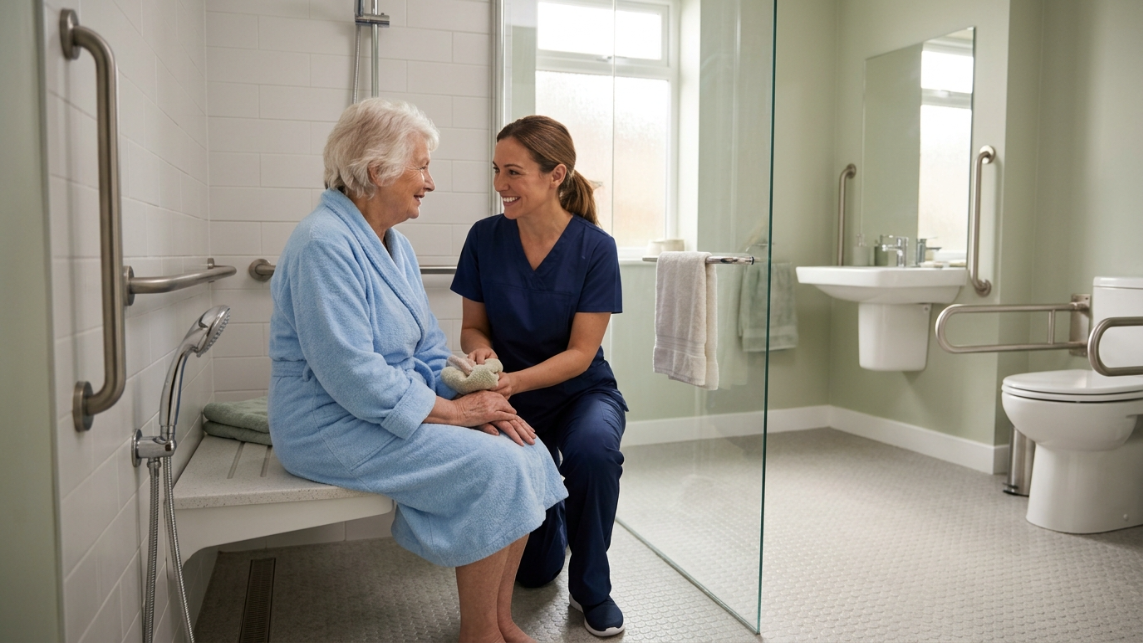
Maintaining dental hygiene in aging adults often requires teamwork. A supportive caregiver can make the entire process smoother, safer, and more dignified. Brushing twice a day might sound simple, but for someone with arthritis, tremors, or dementia, it can be physically or mentally overwhelming.
That’s where trained assistance with personal care makes a real difference. Professional caregivers are experienced in helping seniors maintain their oral hygiene routines without discomfort or embarrassment. They also keep an eye out for early warning signs like bleeding gums or white patches that may indicate infection.
The goal is always maintaining dignity at home. Oral health is personal, and no one should feel ashamed of needing help. By using adaptive tools, like electric toothbrushes with larger handles, and ensuring accessibility for urgent needs, caregivers can turn what might be a stressful task into a comfortable, empowering daily habit.
Preventing Future Complications Through Routine Checkups and Awareness
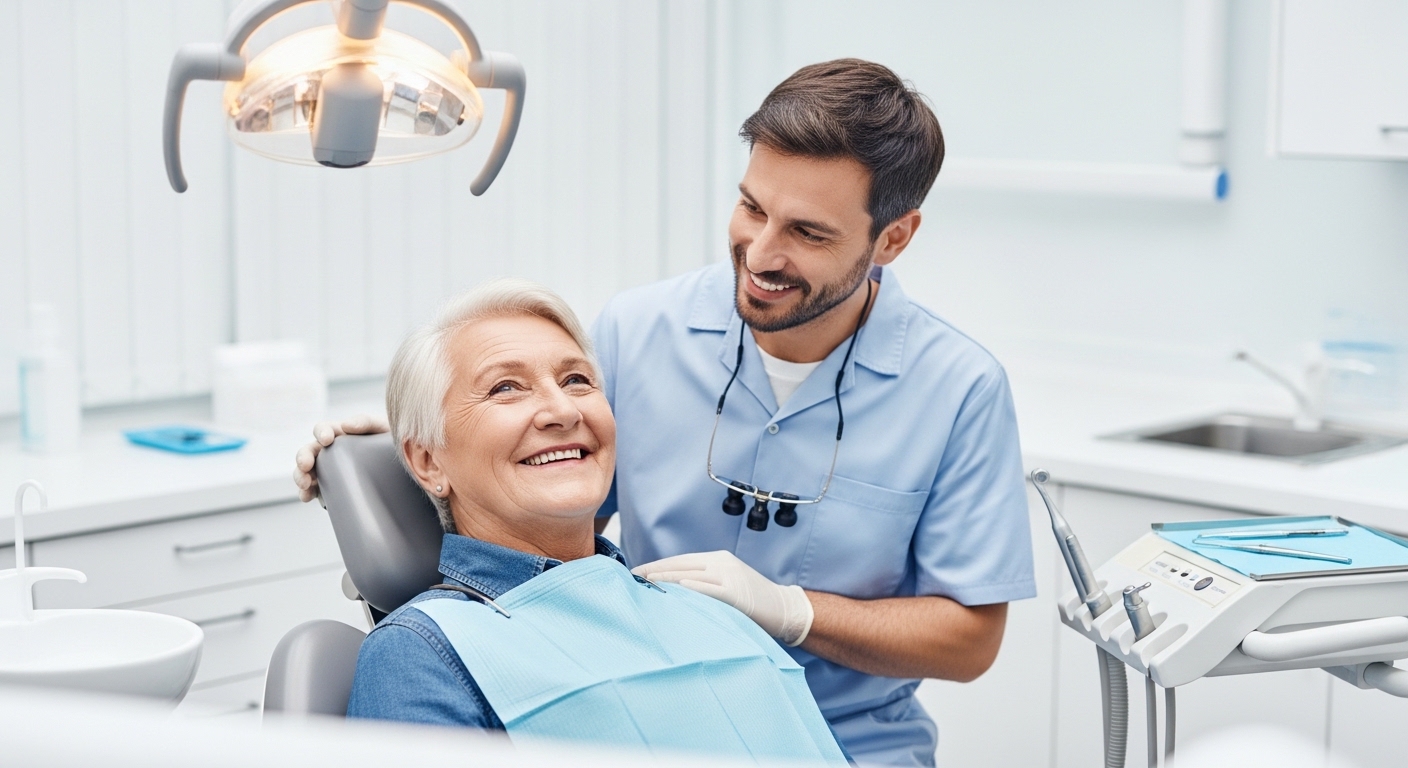
Consistent care and awareness can prevent many common issues faced by seniors. Beyond daily brushing, seniors should have dental checkups every six months—or more often if they use dentures or experience gum issues. These visits allow early detection of decay, oral cancer, or gum disease before they worsen.
UTIs and oral health might seem unrelated, but bacteria from the mouth can enter the bloodstream, increasing the risk of infections. This makes regular dental cleaning even more crucial for seniors with underlying health conditions.
Encouraging open communication with dental professionals also matters. Seniors should discuss any pain, discomfort, or swallowing difficulties promptly. Many clinics now specialize in dignified in-home oral health care, providing comfortable, accessible options for those with mobility challenges. The key is staying proactive and making oral health a natural part of everyday wellness.
Caring For Your Smile Is Caring for Yourself
Good oral care isn’t just about teeth—it’s about confidence, comfort, and quality of life. For seniors, maintaining a clean, healthy mouth can improve how they eat, speak, and even socialize. It directly influences physical health, emotional well-being, and the joy of daily living.
Caregivers play a vital role in making this possible. From gentle reminders to hands-on help with cleaning, their support helps seniors feel comfortable and respected. If your loved one struggles with oral hygiene or denture maintenance, compassionate help can make all the difference.
Oral health matters at every age. One Stop Home Care Services caregivers assist with dental hygiene routines that keep seniors healthy and comfortable. Get started with a free assessment.