Heart disease is one of the most common health concerns among older adults, and it’s not just about the heart itself. It’s about how it impacts daily life, energy levels, independence, and overall wellbeing. For seniors and their families, managing heart health requires a mix of medical attention, healthy lifestyle habits, and consistent daily support.
Here’s the thing: heart disease elderly care doesn’t have to feel overwhelming when the right help and information are in place. Whether it’s keeping up with medications, eating heart-friendly meals, or staying safely active, each step matters. Seniors living with heart conditions benefit from compassionate, coordinated care that focuses not only on treatment but also on prevention and emotional comfort.
Let’s break down how personalized cardiac care and lifestyle adjustments can make a lasting difference in improving heart health and maintaining a better quality of life for seniors.
Understanding Heart Disease in Seniors: Why Specialized Care Matters in Heart Disease Elderly Care
Heart disease among seniors can take many forms, coronary artery disease, heart failure, irregular rhythms, or high blood pressure. Each condition brings its own set of challenges, especially as the body ages. The heart becomes less efficient at pumping blood, arteries may stiffen, and everyday activities can start feeling more exhausting.
That’s why heart disease elderly care goes beyond doctor visits. It involves monitoring symptoms, creating a safe home environment, and ensuring cardiac medication compliance. Missing or mismanaging medications can easily trigger complications, so having someone double-check schedules or refill reminders can make all the difference.
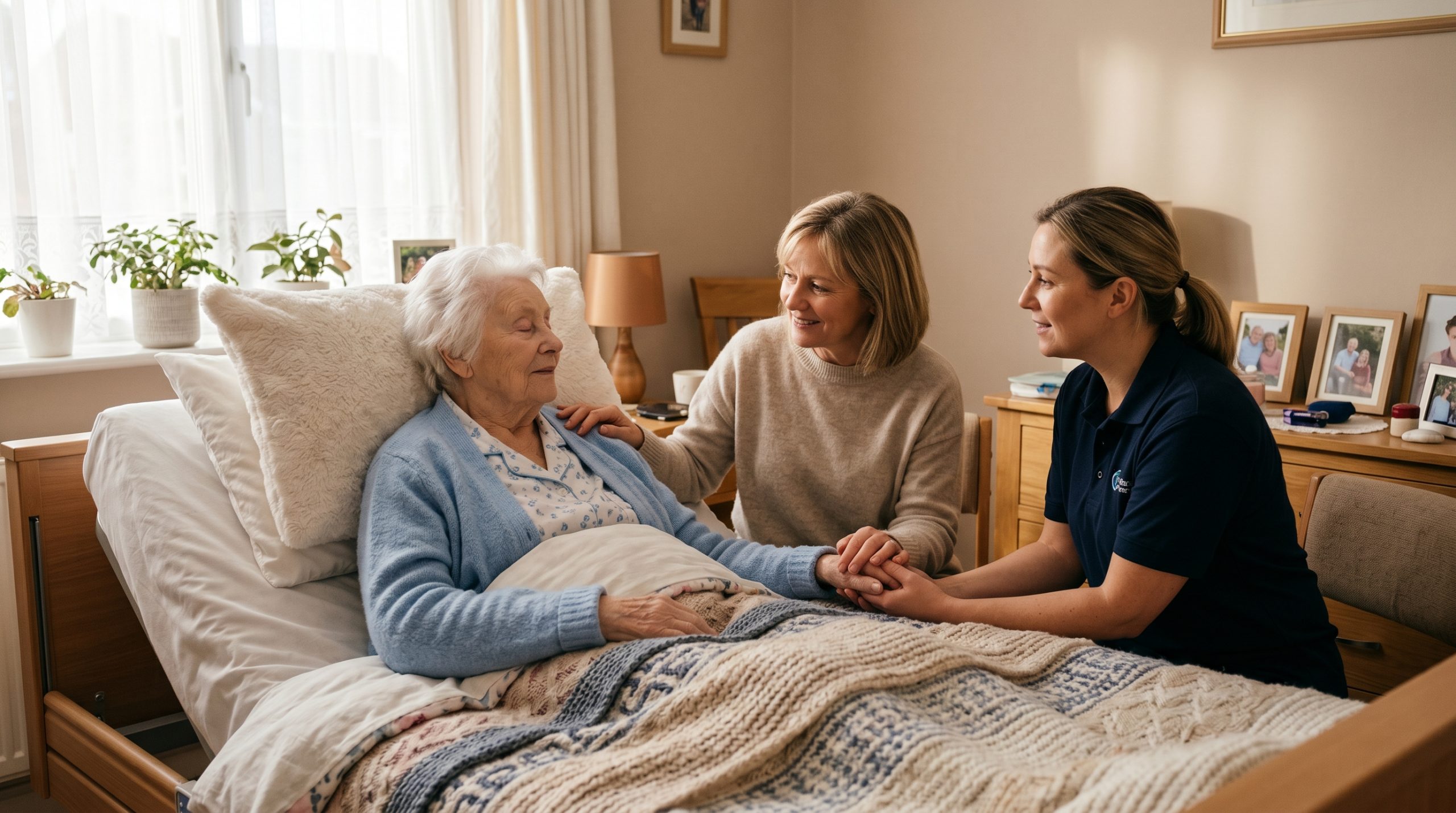
Another critical part of senior cardiac care is emotional support. Many seniors with heart disease experience anxiety or depression linked to health changes. A compassionate caregiver or nurse who understands these struggles can provide reassurance and companionship that truly impacts recovery and daily confidence.
The Role of Personalized Support in Senior Cardiac Care and Medication Management
When it comes to senior cardiac care, one-size-fits-all solutions simply don’t work. Each senior has unique health needs, and a good care plan adapts to that. For instance, caregivers trained in cardiac medication compliance can ensure that prescriptions are taken correctly and on time. This not only prevents missed doses but also helps identify side effects early.
Managing heart disease in seniors also means watching for warning signs, like swelling in the ankles, fatigue, or shortness of breath that might indicate worsening heart failure. Regular blood pressure monitoring and keeping track of vital signs are essential.
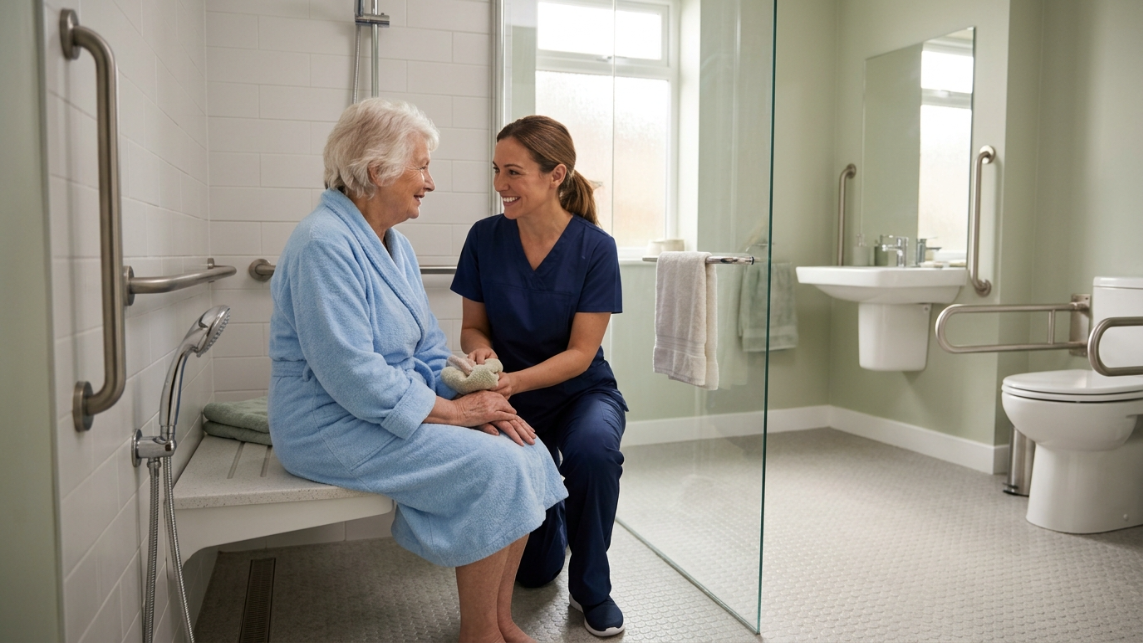
Professional in-home caregivers can support all these routines while keeping families informed. Beyond the medical side, caregivers often assist with heart-healthy diet planning, encouraging seniors to eat balanced meals low in sodium and rich in vegetables, fruits, and lean proteins.
Combined with hydration reminders and gentle physical activity, this daily support strengthens long-term cardiac health.
Healthy Living with Heart Disease: Diet, Exercise, And Emotional Balance for Elderly Heart Health
Maintaining elderly heart health doesn’t just depend on medication, it’s about lifestyle balance. A carefully managed cardiac diet for seniors plays a major role. Meals rich in whole grains, omega-3 fats, and fresh produce help lower cholesterol and keep blood vessels clear.
Reducing salt, fried foods, and processed snacks can also prevent fluid retention and lower blood pressure. Physical activity is another cornerstone of recovery, but it has to be safe and consistent. Caregivers and rehabilitation specialists often introduce safe cardiac exercise routines such as light walking, gentle yoga, or seated stretching.
These exercises improve circulation and help manage weight without putting unnecessary stress on the heart. Emotional health matters too. Living with heart disease can cause fear or isolation. Encouraging positive engagement, listening to music, going for short outdoor strolls, or connecting with friends helps maintain motivation and optimism, which are key to long-term success.
Recognizing Early Warning Signs and Managing Emergencies in Managing Heart Disease Seniors
Here’s what families should know: being proactive can save lives. Managing heart disease in seniors starts with recognizing early signs that something might be off. Watch for heart failure symptoms elderly such as sudden shortness of breath, rapid weight gain, fatigue, or swelling in the legs and feet.
Caregivers trained in cardiac emergency response know how to act quickly—contacting medical professionals, administering first aid, or ensuring seniors rest until help arrives. Having an emergency plan in place, including accessible phone numbers and medication lists, gives peace of mind to both seniors and their loved ones.
It’s also crucial to ensure that seniors don’t skip follow-up appointments or stop medications suddenly. Heart conditions require continuous care and observation, and even minor lapses can lead to bigger issues. Consistent coordination between families, caregivers, and healthcare providers ensures seamless care and a greater sense of security.
Building A Heart-Healthy Home: Practical Lifestyle Modifications for Heart Disease Elderly Care
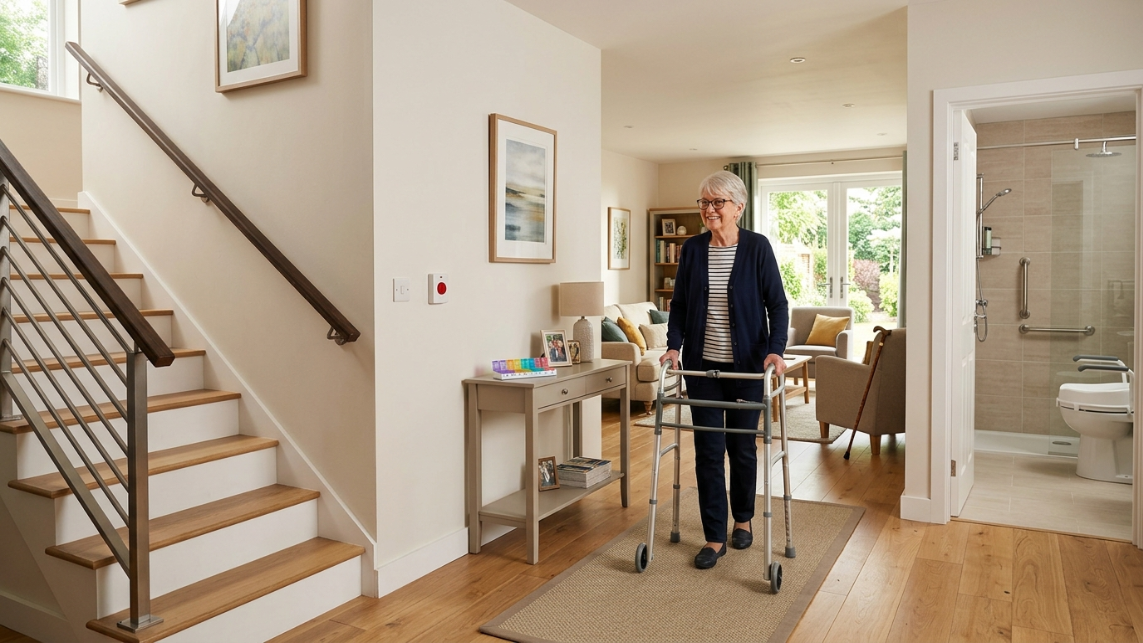
Home life has a huge impact on heart health, especially for seniors recovering from or living with chronic heart conditions. Making small changes around the house can support independence and prevent unnecessary stress. For instance, easy access to water and healthy snacks helps maintain hydration and balanced nutrition.
Seniors with limited mobility can benefit from rearranged furniture, clear walking paths, and supportive seating to prevent exhaustion. Incorporating heart-healthy diet planning into daily routines ensures they stay nourished with meals that support cardiac wellness.
Family members and caregivers can also use home adaptations to reduce fatigue, like placing items within easy reach and ensuring good lighting to prevent falls. Even emotional comfort counts: keeping a calm, tidy environment and maintaining social connection can ease anxiety and help the heart stay strong.
Cardiac Rehabilitation at Home: Encouraging Recovery and Confidence
After hospitalization or a cardiac event, returning home can feel overwhelming. This is where cardiac rehabilitation home care becomes essential. It focuses on rebuilding strength, restoring independence, and preventing future complications.
In-home caregivers can help with safe cardiac exercise plans, medication reminders, and gentle monitoring. Encouraging light, regular activity improves circulation and lung capacity while reducing stiffness. Caregivers also help track heart failure symptoms elderly to ensure timely medical attention if anything changes.
Most importantly, emotional encouragement is part of rehabilitation. Seniors recovering from heart surgery or a cardiac incident often feel uncertain about their limits. Having a trained, empathetic caregiver by their side helps rebuild trust in their own abilities, making recovery not only possible but empowering.
Supporting Seniors with Heart Disease for A Healthier Tomorrow
Heart disease elderly care is about more than just treatment—it’s about creating a lifestyle of support, safety, and encouragement. Seniors thrive when surrounded by compassionate caregivers who understand their physical and emotional needs. With consistent cardiac medication compliance, heart-healthy diet planning, and safe cardiac exercise, managing heart conditions becomes less about restriction and more about living well.
Families can play a huge role too—by staying involved, staying informed, and ensuring seniors feel supported every step of the way.
Heart health requires daily attention. One Stop Home Care Services provides medication monitoring, heart-healthy meal preparation, and vital sign tracking. Protect your loved one’s heart—call us today.